


Google lists a new USB-C to 3.5 mm headphone adapter ahead of Pixel 3 launch
The new product shows 38 percent more playback time and 53 percent improvements on plug-in latency.

Ahead of the launch of Pixel 3, Google has listed a USB-C Digital to 3.5 mm headphone adapter on its website for its future Pixel phone users. It promises shorter latency and improved playback time.In 2017, after launching the Pixel 2, Google did the unthinkable. It removed the 3.5 mm audio jack, leaving users with Bluetooth earphones, the Pixel Buds. Following this, it began its adapter business.[caption id="attachment_5169691" align="alignnone" width="1024"]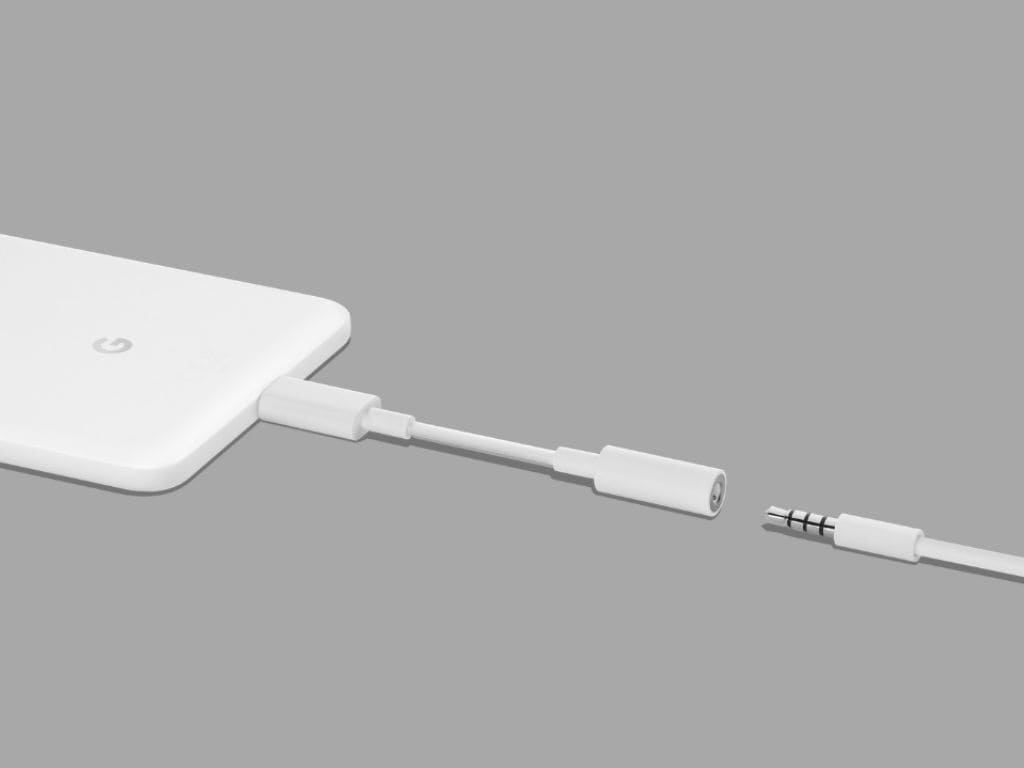 Google USB-C Digital to 3.5 mm headphone. Google Store.[/caption]As per Google Store, the new product shows 38 percent more playback time and 53 percent improvements on plug-in latency.The new adapter has been priced at $12 which is nearly Rs 800.Hardware-wise the adaptor is 93.2 mm in length, it is 11.6 mm in width, 7.6 mm in height. It weighs 4.9 grams.The adapter works on Pixel and Android phones that are powered by Android P or higher.Google Pixel 3 and Pixel 3 XL are expected to launch on 9 October at the Made By Google event in New York. There have been innumerable controversies surrounding the third generation of Pixel smartphones. It will succeed the Pixel 2 and Pixel 2 XL.The Pixel 3 XL is expected to sport a notch and with edge-to-edge bezels.Recently leaked images of Pixel 3 XL smartphone a phone without a headphone jack and inside the phone was present a USB-C type headphone adapter.

Why AI notetakers are raising serious privacy and security concerns
China's low-cost AI models are changing the global AI race. Here's why Silicon Valley is worried
China's Kimi K3 challenges US AI leaders with frontier-level performance at lower cost
How did Instagram run ads promoting child abuse in India?
Why has India halted WhatsApp’s username feature before launch?