


German markets to open to car pooling services like Uber and others by 2021
Current law in Germany bans drivers from accepting contracts directly from individuals.

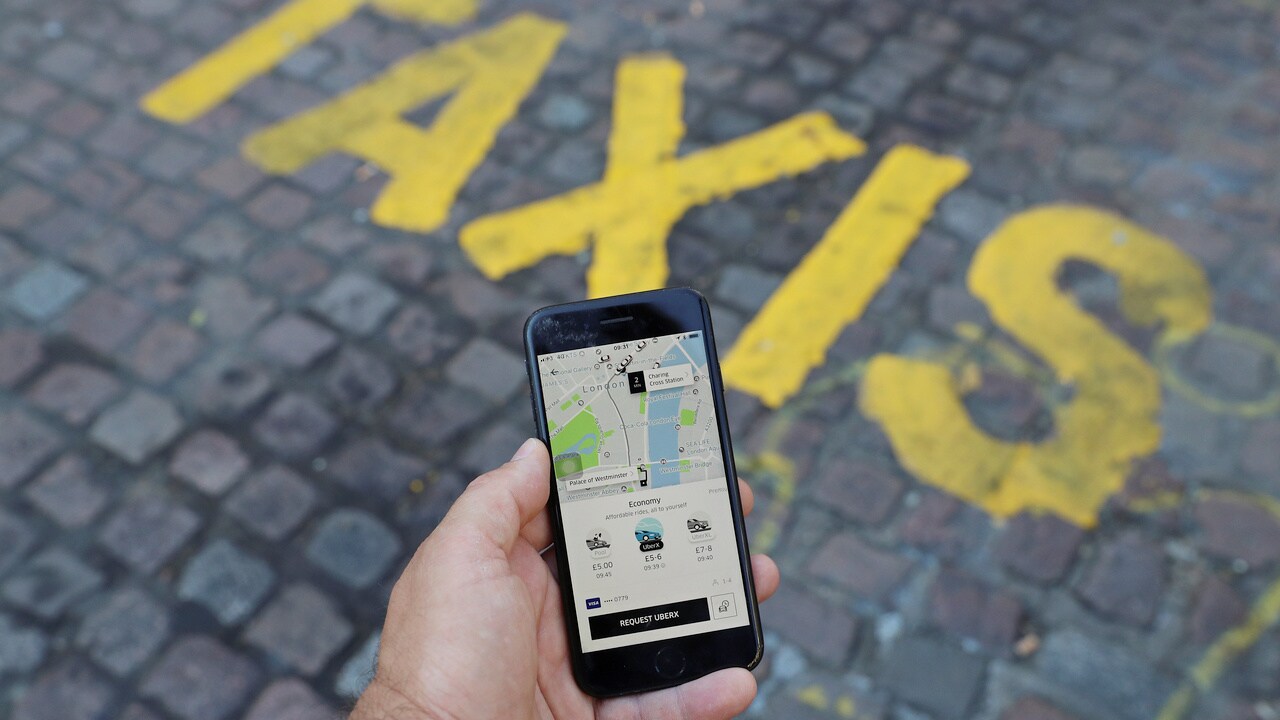
Uber app in an illustration. Image: Reuiters[/caption]“We can create new possibilities, especially in rural areas and for older people, with car services and pooling systems,” said Scheuer, a member of the Bavarian conservatives. “That is a giant opportunity.”Current law bans drivers from accepting contracts directly from individuals, reserving that right for taxi drivers licensed by local authorities.“I’m against bans and limits. I’m for incentives,” Scheuer told the magazine. “We can’t just exclude a service provider.”At the same time, he said, taxi services would clearly be affected and their interests also had to be taken into consideration.Germany has been a difficult market for Uber given the strict regulatory environment. The company’s app allows users to order licensed taxis in Berlin and Munich, and Uber has said it hopes to have a presence in every major German city by 2020.Uber operates in many parts of Europe, but offers different services, depending on local regulations.

Why AI notetakers are raising serious privacy and security concerns
China's low-cost AI models are changing the global AI race. Here's why Silicon Valley is worried
China's Kimi K3 challenges US AI leaders with frontier-level performance at lower cost
How did Instagram run ads promoting child abuse in India?
Why has India halted WhatsApp’s username feature before launch?