


FCC gives SpaceX green light to fly internet-beaming satellites in a lower orbit
SpaceX has already produced a bunch of Starlink satellites and is on track to start launching them in May.

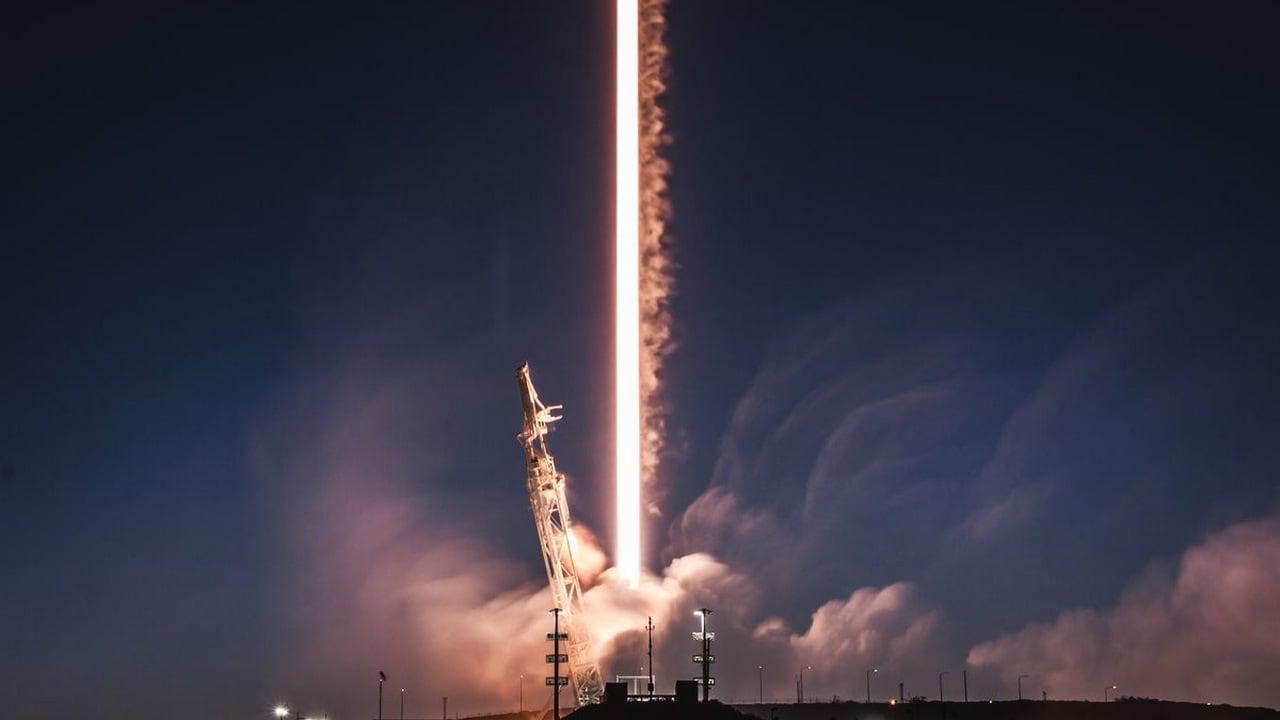
SpaceX Falcon 9 rocket, launching SpaceX's two test Starlink satellites. Image: SpaceX[/caption]Competing satellite internet firm OneWeb and satellite operator Kepler Communications both filed against the plan, claiming that Starlink could cause signal interference at the lower elevation and potentially even pose a collision risk. In its approval, the FCC found that "the modification proposed by SpaceX does not present significant interference problems and is in the public interest."The FCC added that SpaceX claims "because all its satellites have propulsion and are maneuverable to prevent collisions, they are considered to pose zero risk to any other satellites in this orbital region," as well as that the company says "operating satellites at the 550 km altitude will ensure a 100 percent success rate of post-mission disposal within 5 years, even assuming worst-case conditions."The body also concluded that SpaceX’s estimate of collision risks in the case a satellite’s propulsion systems become inoperable “is well within accepted boundaries... even with worst-case assumptions that go well beyond any realistic scenario.”In a statement, SpaceX president Gwynne Shotwell told The Verge, "This approval underscores the FCC’s confidence in SpaceX’s plans to deploy its next-generation satellite constellation and connect people around the world with reliable and affordable broadband service."While beaming down the web from satellites sounds like a great idea, numerous other companies have run into problems with their own similar projects. Facebook's Project Athena, after failing to get drones to work properly, turned to satellites with the aim of launching one by early 2019 which the company hasn’t yet. Similarly, Google is working on Project Loon, which aims to transmit LTE to remote regions of the world with hot air balloons, but it has run into numerous crashes and is facing a major patent lawsuit. Amazon has also announced its own initiative.SpaceX has already produced a bunch of Starlink satellites and is on track to start launching them in May.

Why AI notetakers are raising serious privacy and security concerns
China's low-cost AI models are changing the global AI race. Here's why Silicon Valley is worried
China's Kimi K3 challenges US AI leaders with frontier-level performance at lower cost
How did Instagram run ads promoting child abuse in India?
Why has India halted WhatsApp’s username feature before launch?