


Fake news detection: This lab is using NLP and linguistics to identify misinformation
The technology behind the internet and social media have enabled this spread of misinformation; maybe it’s time to ask what this technology has to offer in addressing the problem.


Fighting fake news includes monitoring social media.[/caption]
The effects of fake news
A study in the United Kingdom found that about two-thirds of the adults surveyed regularly read the news on Facebook, and that half of those had the experience of initially believing a fake news story. Another study, conducted by researchers at the Massachusetts Institute of Technology, focused on the cognitive aspects of exposure to fake news and found that, on average, newsreaders believe a false news headline at least 20 percent of the time.False stories are now spreading 10 times faster than real news and the problem of fake news seriously threatens our society.For example, during the 2016 election in the United States, an astounding number of US citizens believed and shared a patently false conspiracy claiming that Hilary Clinton was connected to a human trafficking ring run out of a pizza restaurant. The owner of the restaurant received death threats, and one believer showed up in the restaurant with a gun. This — and a number of other fake news stories distributed during the election season — had an undeniable impact on people’s votes.It’s often difficult to find the origin of a story after partisan groups, social media bots and friends of friends have shared it thousands of times. Fact-checking websites such as Snopes and Buzzfeed can only address a small portion of the most popular rumours.The technology behind the internet and social media have enabled this spread of misinformation; maybe it’s time to ask what this technology has to offer in addressing the problem.
Giveaways in writing style
Recent advances in machine learning have made it possible for computers to instantaneously complete tasks that would have taken humans much longer. For example, there are computer programs that help police identify criminal faces in a matter of seconds. This kind of artificial intelligence trains algorithms to classify, detect and make decisions.When machine learning is applied to natural language processing, it is possible to build text classification systems that recognise one type of text from another.[caption id="attachment_4305193" align="alignnone" width="1280"]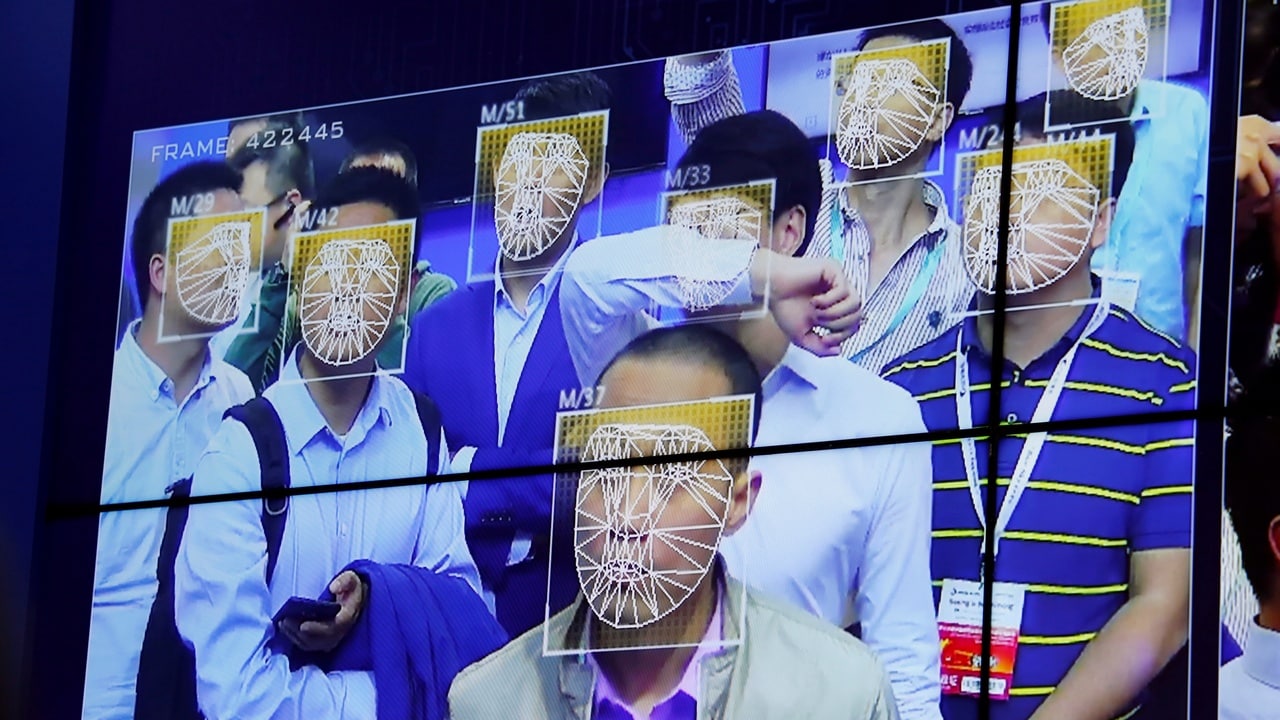
Visitors experience facial recognition technology at Face++ booth during the China Public Security Expo in Shenzhen. Reuters[/caption]During the past few years, natural language processing scientists have become more active in building algorithms to detect misinformation; this helps us to understand the characteristics of fake news and develop technology to help readers.One approach finds relevant sources of information, assigns each source a credibility score and then integrates them to confirm or debunk a given claim. This approach is heavily dependent on tracking down the original source of news and scoring its credibility based on a variety of factors.A second approach examines the writing style of a news article rather than its origin. The linguistic characteristics of a written piece can tell us a lot about the authors and their motives. For example, specific words and phrases tend to occur more frequently in a deceptive text compared to one written honestly.
Spotting fake news

Why AI notetakers are raising serious privacy and security concerns
China's low-cost AI models are changing the global AI race. Here's why Silicon Valley is worried
China's Kimi K3 challenges US AI leaders with frontier-level performance at lower cost
How did Instagram run ads promoting child abuse in India?
Why has India halted WhatsApp’s username feature before launch?