
Advertisement


Sections
Facebook's decision to remove manipulated videos dismissed by speaker Pelosi calling it 'inadequate'
Another Democrat, Senator Mark Warner, also said that the Facebook policy change did not go far enough.

A spokesman for the US House of Representatives Speaker Nancy Pelosi dismissed Facebook's announcement that it would remove deepfakes and some other manipulated videos from its platform as inadequate on Tuesday."Facebook wants you to think the problem is video-editing technology, but the real problem is Facebook’s refusal to stop the spread of disinformation," tweeted Drew Hammill, a spokesman for the speaker.Facebook had told Reuters that as part of its new policy it will not remove a heavily edited video that attempted to make Pelosi seem incoherent by slurring her speech and making it appear like she repeatedly stumbled over her words.(Also read: Facebook to ban deepfakes to prevent misinformation during 2020 US Presidential elections)[caption id="attachment_7875751" align="alignnone" width="1280"]![Nancy Pelosi. Image: Reuters]()
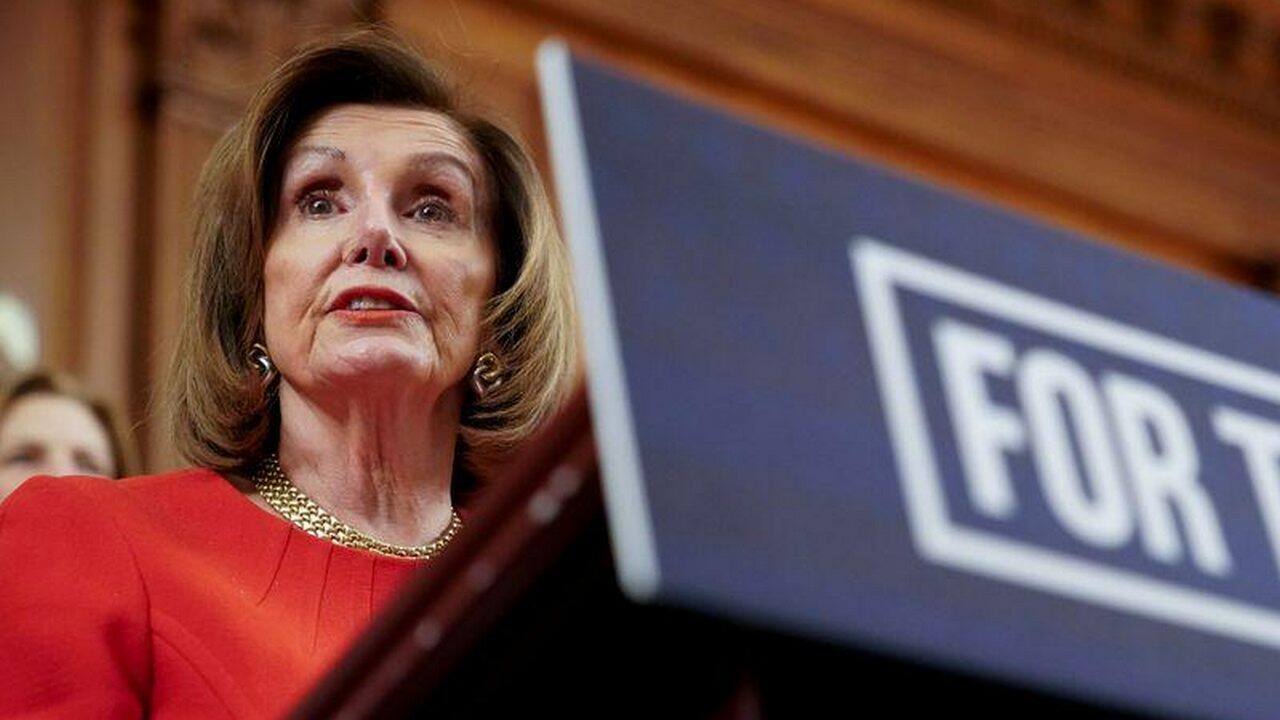
Nancy Pelosi. Image: Reuters[/caption]Facebook announced on Monday that it would remove some manipulated videos — known as deepfakes — if the changes were not apparent to the average person and could mislead someone into thinking that a person said something they did not say.
Another Democrat, Senator Mark Warner, also said that the Facebook policy change did not go far enough.(Also Read: DeepNudes: The latest horror turning hapless women's pictures into nudes)"This still ignores low-tech synthetic media like that slowed down video of Speaker Pelosi, which can just as easily exploit and misinform the public," he said in a tweet.The Facebook blog post announcing the policy said videos that were not slated for removal could be looked at by fact-checkers, who might take action to slow a video's distribution if it is rated false.Facebook declined to comment on Tuesday.First Published:Jan 08, 2020, 00:16:57 IST
Advertisement
Advertisement

Why AI notetakers are raising serious privacy and security concerns
AI notetakers promise effortless meeting summaries, but experts warn they could expose confidential conversations, corporate secrets and personal voiceprints. As businesses increasingly adopt AI-powered meeting assistants, questions over data storage, privacy, consent and legal risks are becoming impossible to ignore
5 min read
China's low-cost AI models are changing the global AI race. Here's why Silicon Valley is worried
As Chinese firms continue to improve performance while keeping prices low, the AI race is no longer just about building the smartest model—it is increasingly becoming a battle over who can deliver the best value
2 min read
China's Kimi K3 challenges US AI leaders with frontier-level performance at lower cost
Chinese artificial intelligence startup Moonshot AI has unveiled its latest open-weight AI model, Kimi K3, with early results suggesting it could compete with some of the world's most advanced AI systems developed by leading US companies
2 min read
How did Instagram run ads promoting child abuse in India?
India has issued a notice to Meta after an investigation alleged that Instagram displayed paid advertisements promoting child sexual abuse material. MeitY ordered Meta to remove such Instagram ads and explain within seven days how they were approved
8 min read
Why has India halted WhatsApp’s username feature before launch?
India has halted WhatsApp’s planned username feature, citing concerns about cybercrime, impersonation, and law enforcement challenges. As Meta races to address security concerns, here’s why MeitY has paused the rollout, what the feature does, and how it could influence privacy and online safety in India
3 min read
Advertisement
Advertisement