


Facebook Messenger limits forwarding messages to five people to combat misinformation
As per Facebook, the new feature will provide an added layer of protection against 'viral misinformation or harmful content'.

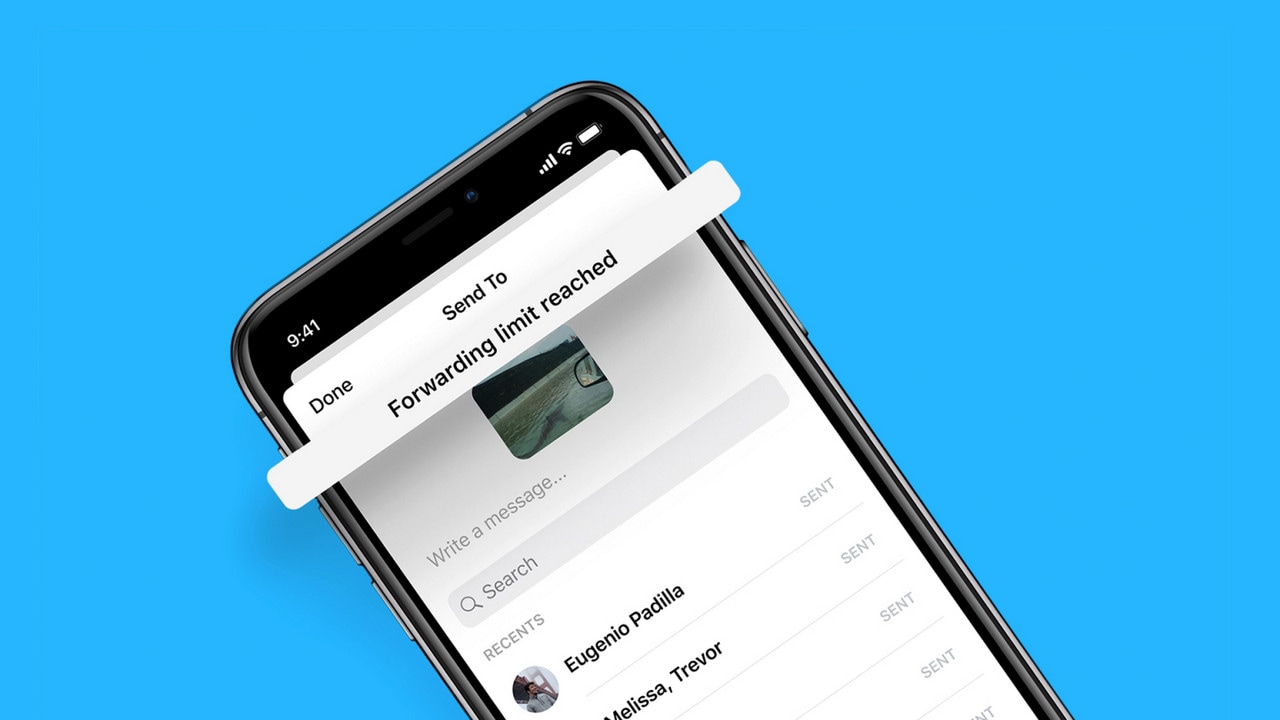
It also asks users to not share something if they are not sure about its authenticity.[/caption]The blog listed various important upcoming events like the elections in the United States and New Zealand along with the ongoing COVID-19 pandemic as some of the reasons why rampant forwarding of unverified messages on social media sites can lead to the spread of false information.It also asked people to refer to its Coronavirus (COVID-19) Community Hub in order to gain correct news regarding the viral outbreak. The hub advises users to “verify facts with trusted official sources and watch out for people running scams such as unapproved medical treatments or false fundraisers”. Most importantly, it asks users to not share something if they are not sure about its authenticity.Facebook believes that the new feature will provide an added layer of protection against “viral misinformation or harmful content” spreading online. This feature comes in addition to the introduction of safety notifications, the two-factor authentication method, and new ways of blocking and reporting unwanted messages.Back in 2018, Facebook-owned firm WhatsApp had limited forwarding messages to five chats in India to contain the spread of fake news and hoaxes. It had then said that people forward more messages, photos, and videos in India than any other country in the world.

Why AI notetakers are raising serious privacy and security concerns
China's low-cost AI models are changing the global AI race. Here's why Silicon Valley is worried
China's Kimi K3 challenges US AI leaders with frontier-level performance at lower cost
How did Instagram run ads promoting child abuse in India?
Why has India halted WhatsApp’s username feature before launch?