


Facebook keeps a list of people it deems to be a threat and then tracks their movements
Security employees at Facebook can use Facebook’s own product to identify and track deemed threats.

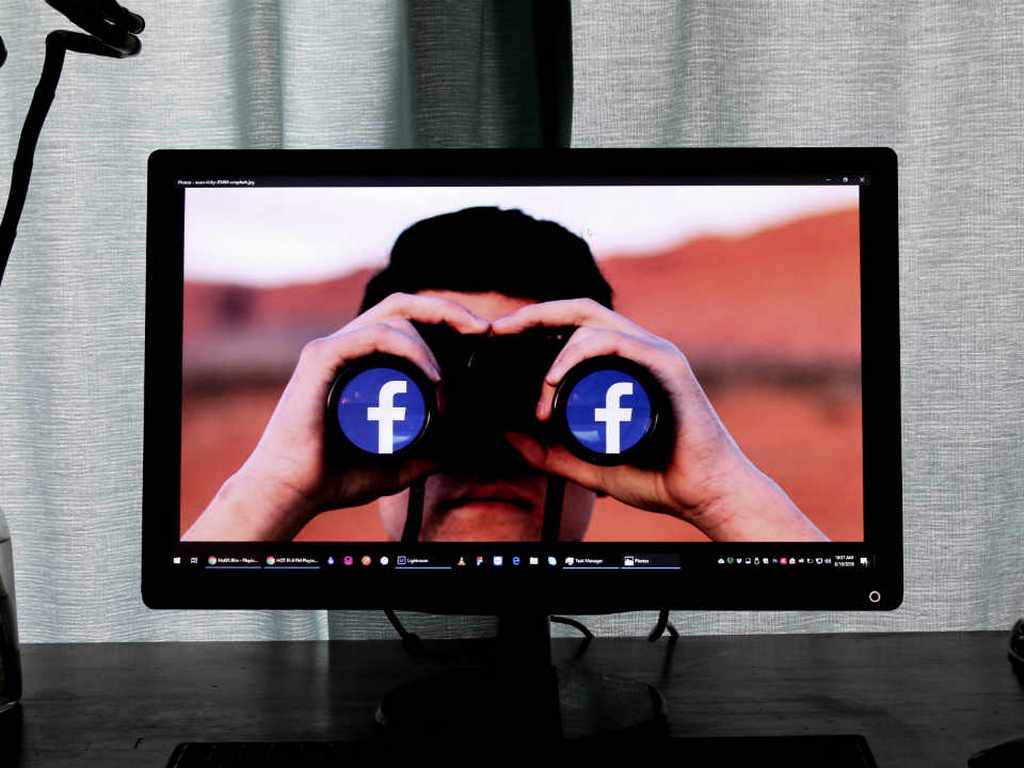
Representational image.[/caption]Facebook tracks location data provided by its app on the user's phone and also keeps a check on IP addresses when the user logs in to use the app. One of the tools Facebook uses to monitor threats is a "be on lookout" or "BOLO" list, which is updated approximately once a week. As mentioned in the report, Facebook only tracks down location data once a user's name is placed on the BOLO list.A Facebook spokesman speaking to the publication confirmed the fact that the social media giant does indeed keep a list of people who might pose a threat, but mentioned that the practice is "standard in terms of corporate security." He refused to comment on how many people are on this list, but CNBC did state that there are hundreds.But how easily do you make it to Facebook's BOLO list? As per a former employee at the company who worked with the executive protection team, the bar set by Facebook can be pretty low. While certain users end up on the list after repeated appearances on company property or long email threats, others might find themselves on the BOLO list for saying something like, "Fuck you, Mark," "Fuck Facebook" or "I'm gonna go kick your ass."In a statement to CNET, a Facebook spokesperson added, "In cases where there is a credible threat of physical violence against a Facebook employee, we use a combination of publicly available data and industry-standard practices to assess their physical proximity to an at-risk employee or Facebook location."Facebook certainly is not the first platform to have a list of possible threats to the company, but other firms typically do not have access to real-time location data and other key specifics.The verdict, on whether this is at all ethical, is divided at the moment. While some question Facebook's morality given past instances, others are of the opinion that it's just a move to safeguard its employees.

Why AI notetakers are raising serious privacy and security concerns
China's low-cost AI models are changing the global AI race. Here's why Silicon Valley is worried
China's Kimi K3 challenges US AI leaders with frontier-level performance at lower cost
How did Instagram run ads promoting child abuse in India?
Why has India halted WhatsApp’s username feature before launch?