


Chinese hackers have breached satellite, defence companies in the US: Symantec
Symantec described its findings to Reuters ahead of planned public release. It said the hackers had been removed from infected systems.

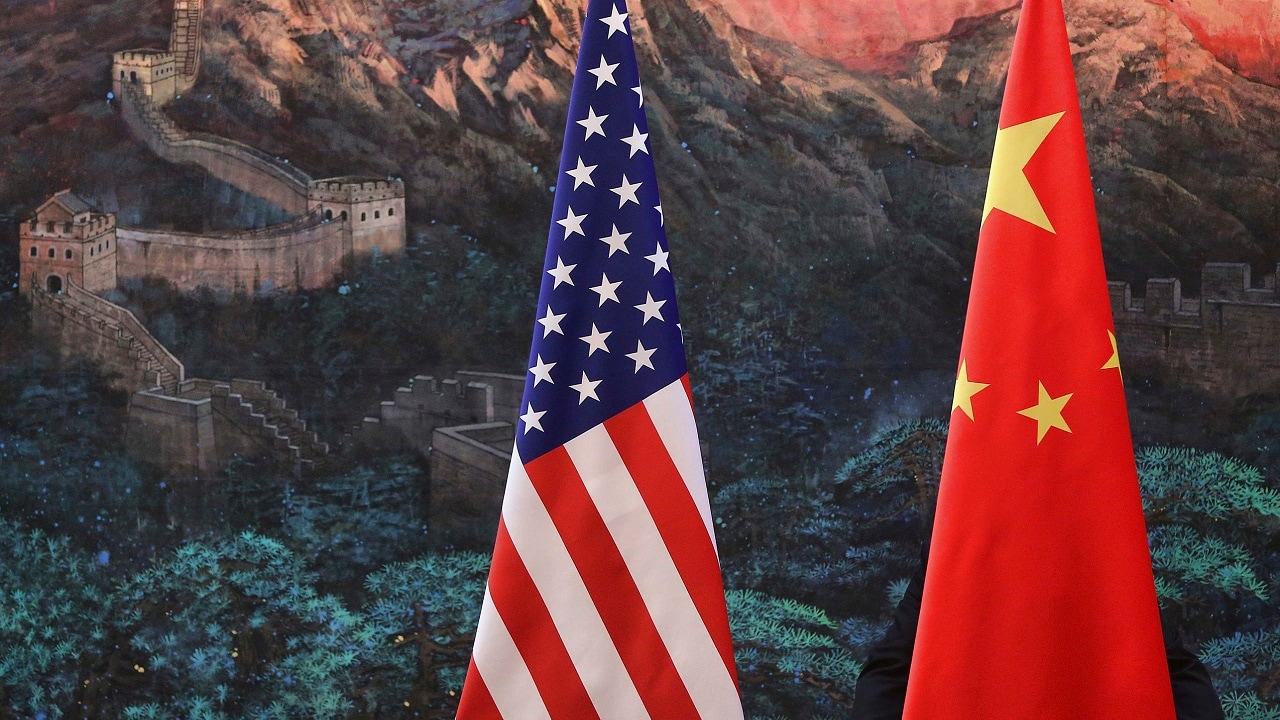
Representational Image. Reuters[/caption]“Disruption to satellites could leave civilian as well as military installations subject to huge (real world) disruptions,” said Vikram Thakur, technical director at Symantec. “We are extremely dependent on their functionality.”Satellites are critical to phone and some internet links as well as mapping and positioning data.Symantec, based in Mountain View, California, described its findings to Reuters exclusively ahead of a planned public release. It said the hackers had been removed from infected systems.Symantec said it has already shared technical information about the hack with the US Federal Bureau of Investigation and Department of Homeland Security, along with public defence agencies in Asia and other security companies. The FBI did not respond to a request for comment.Thakur said Symantec detected the misuse of common software tools at client sites in January, leading to the campaign’s discovery at unnamed targets. He attributed the effort to a group that Symantec calls Thrip, which may be called different names by other companies.Thrip was active from 2013 on and then vanished from the radar for about a year until the last campaign started a year ago. In that period, it developed new tools and began using more widely available administrative and criminal programs, Thakur said.Other security analysts have also recently tied sophisticated attacks to Chinese groups that had been out of sight for awhile, and there could be overlap. FireEye Inc in March said that a group it called Temp.Periscope reappeared last summer and went after defence companies and shippers. FireEye had no immediate comment on the new episode.It was unclear how Thrip gained entry to the latest systems. In the past, it depended on trick emails that had infected attachments or led recipients to malicious links. This time, it did not infect most user computers, instead of moving among servers, making detection harder.Following its customary stance, Symantec did not directly blame the Chinese government for the hack. It said the hackers launched their campaign from three computers on the mainland. In theory, those machines could have been compromised by someone elsewhere.Symantec provides the most widely used paid security software for consumers and an array of higher-end software and services for companies and public agencies.

Why AI notetakers are raising serious privacy and security concerns
China's low-cost AI models are changing the global AI race. Here's why Silicon Valley is worried
China's Kimi K3 challenges US AI leaders with frontier-level performance at lower cost
How did Instagram run ads promoting child abuse in India?
Why has India halted WhatsApp’s username feature before launch?