
Advertisement


Sections
Audio trends of 2018: AirPods, Alexa, Google Home, AI powered speakers and more
These audio innovations have really begun to peak public interest.

The year 2018 has been an interesting year in terms of audio. Most of the innovations have been happening over the years, but in 2018, these audio innovations have really begun to pique public interest.Here is a list of a few trends that have been prominent this year.True wire-free wireless audioTrust Apple to invigorate and challenge older ways of doing things, with its introduction of truly wire-free earphones like the AirPods wireless earphones (back in 2016) in the wireless audio category seems to have made everyone join on the bandwagon. Everyone from audio manufacturers to millennials to grandma’s who confuse them with an electronic version of Q-tips that also play music, use them. So much so, “True wireless” experience is associated with this design with a lot of alternative brands and Chinese knock-offs also being widely available.[caption id="attachment_5718941" align="alignnone" width="1024"]![Airpods – no wires]() AirPods – no wires[/caption]As a side-effect, several manufacturers like Motorola, HTC, Xiaomi and now even OnePlus are following suit by removing the 3.5 mm jacks from their smartphones altogether, much to the dismay of audio enthusiasts and purists who swear by the quality of wired audio over anything else.[caption id="attachment_5718931" align="alignnone" width="1280"]
AirPods – no wires[/caption]As a side-effect, several manufacturers like Motorola, HTC, Xiaomi and now even OnePlus are following suit by removing the 3.5 mm jacks from their smartphones altogether, much to the dismay of audio enthusiasts and purists who swear by the quality of wired audio over anything else.[caption id="attachment_5718931" align="alignnone" width="1280"]![Look ma! No 3.5mm jack.]() Look ma! No 3.5mm jack.[/caption]If you are one of those kinds to lose your AirPods easily, here’s a “How not to lose your AirPods” video to help you out.Putting AI in AudioGone are the good old days where a speaker was just a speaker. Nowadays audio manufacturers like to shove more than just good audio into good-looking boxes, we have speakers/earphones that talk to us. (As if we are in dire need of communicating with the world already flooded with chat programs in smartphones).Sure AI (Artificial Intelligence) is cool, it will serve us humans until would finally destroy us and take over the world; but in its present state, it is only mildly amusing.AI for audio speakers right now is basically a voice-based search engine, only as intelligent as the internet it farms information out of and yet is a far cry away from Iron Man’s Jarvis.[caption id="attachment_5718951" align="alignnone" width="1280"]
Look ma! No 3.5mm jack.[/caption]If you are one of those kinds to lose your AirPods easily, here’s a “How not to lose your AirPods” video to help you out.Putting AI in AudioGone are the good old days where a speaker was just a speaker. Nowadays audio manufacturers like to shove more than just good audio into good-looking boxes, we have speakers/earphones that talk to us. (As if we are in dire need of communicating with the world already flooded with chat programs in smartphones).Sure AI (Artificial Intelligence) is cool, it will serve us humans until would finally destroy us and take over the world; but in its present state, it is only mildly amusing.AI for audio speakers right now is basically a voice-based search engine, only as intelligent as the internet it farms information out of and yet is a far cry away from Iron Man’s Jarvis.[caption id="attachment_5718951" align="alignnone" width="1280"]![The AI enabled speakers - Amazon’s Echo and Google Home]() The AI enabled speakers - Amazon’s Echo and Google Home[/caption]The naive state of AI hasn’t stopped manufacturers from putting AI into audio technology doing rudimentary commands such as play music, shopping online or even some home automation with Amazon Alexa/Google Home. However, don’t expect to have meaningful conversations with it, at the most you can play music, listen to podcasts, have ebooks read out or like a secretary/assistant, the AI can make calendar appointments, check the weather, shop online or even control the lights with home automation setup which would require additional investments of course.Whatever may be the use, Artificial Intelligence in speaker technology is here to stay. It will only become more intelligent, more widespread and will be everywhere.Binaural recordingBinaural recordings are recordings that are true to how a listener would hear when a performer/band plays in front of them. So imagine yourself sitting in the centre of a room/stage with the performers performing in front and side of you. The distance, the sound loudness, the nuances of the performer/instrument all would vary as they naturally perform. Binaural recording is achieved by two microphones placed in a dummy’s head with human-like ears to record the entire performance.This is in direct contrast to modern day recordings which are done separately for each instrument/performer, which equals to flat even sound and distance, but leads to greater control of post-recording where effects, corrections and enhancements can be made as required.[caption id="attachment_5718921" align="alignnone" width="1280"]
The AI enabled speakers - Amazon’s Echo and Google Home[/caption]The naive state of AI hasn’t stopped manufacturers from putting AI into audio technology doing rudimentary commands such as play music, shopping online or even some home automation with Amazon Alexa/Google Home. However, don’t expect to have meaningful conversations with it, at the most you can play music, listen to podcasts, have ebooks read out or like a secretary/assistant, the AI can make calendar appointments, check the weather, shop online or even control the lights with home automation setup which would require additional investments of course.Whatever may be the use, Artificial Intelligence in speaker technology is here to stay. It will only become more intelligent, more widespread and will be everywhere.Binaural recordingBinaural recordings are recordings that are true to how a listener would hear when a performer/band plays in front of them. So imagine yourself sitting in the centre of a room/stage with the performers performing in front and side of you. The distance, the sound loudness, the nuances of the performer/instrument all would vary as they naturally perform. Binaural recording is achieved by two microphones placed in a dummy’s head with human-like ears to record the entire performance.This is in direct contrast to modern day recordings which are done separately for each instrument/performer, which equals to flat even sound and distance, but leads to greater control of post-recording where effects, corrections and enhancements can be made as required.[caption id="attachment_5718921" align="alignnone" width="1280"]![The Neumann KU 100 Dummy Head Stereo Microphone]() The Neumann KU 100 Dummy Head Stereo Microphone[/caption]This is actually not a new recording style, it was initially experimented way back in the 1960s by Sony and Aiwa (remember the old Aiwa TV ads?) and only now has been coming into the public eye with the improved recording techniques such as Neumann KU100 microphone used to record binaural sound.Watch a lovely song recorded with Binaural equipment. Please use earphones/headphones to hear this.3D Audio3D Audio isn’t a new buzzword, audio tech companies have always been using it for representing various things. However, the form of 3D audio has changed/evolved. You hear a lot more 3D in new forms such as VR headsets, modern day games, simulations with big giants getting into with YouTube VR and Facebook 360. True 3D audio is certainly here to stay, expect only improved renditions and newer forms to take it forward.In fact, Sennheiser has introduced the world’s first 3D audio headset that can capture 3D sound when taking a video with special microphones attached to each earpiece. This is the first time, an earphone with two mics can record 3D audio without expensive equipment involved. The earphones are called Ambeo Smart headset and were used to make a very interesting thriller short film called Final Stop (wear ear/headphones to listen).What were the audio trends you thought made the most splash this year? Let us know in the comments section.Here's a list of our other year-ender stories:Best Camera phones of 2018: Pixel 3, Apple iPhone XS, Huawei Mate 20 Pro on topIndia's year in space: ISRO's big wins in 2018, Gaganyaan 2022 and Space startups2018 in Wildlife: Gir lions, 'man-eater' Avni, dead elephants echo drumbeats of doomBest flagship phones of 2018: From Samsung Galaxy S9 to Poco F1 to OnePlus 6
The Neumann KU 100 Dummy Head Stereo Microphone[/caption]This is actually not a new recording style, it was initially experimented way back in the 1960s by Sony and Aiwa (remember the old Aiwa TV ads?) and only now has been coming into the public eye with the improved recording techniques such as Neumann KU100 microphone used to record binaural sound.Watch a lovely song recorded with Binaural equipment. Please use earphones/headphones to hear this.3D Audio3D Audio isn’t a new buzzword, audio tech companies have always been using it for representing various things. However, the form of 3D audio has changed/evolved. You hear a lot more 3D in new forms such as VR headsets, modern day games, simulations with big giants getting into with YouTube VR and Facebook 360. True 3D audio is certainly here to stay, expect only improved renditions and newer forms to take it forward.In fact, Sennheiser has introduced the world’s first 3D audio headset that can capture 3D sound when taking a video with special microphones attached to each earpiece. This is the first time, an earphone with two mics can record 3D audio without expensive equipment involved. The earphones are called Ambeo Smart headset and were used to make a very interesting thriller short film called Final Stop (wear ear/headphones to listen).What were the audio trends you thought made the most splash this year? Let us know in the comments section.Here's a list of our other year-ender stories:Best Camera phones of 2018: Pixel 3, Apple iPhone XS, Huawei Mate 20 Pro on topIndia's year in space: ISRO's big wins in 2018, Gaganyaan 2022 and Space startups2018 in Wildlife: Gir lions, 'man-eater' Avni, dead elephants echo drumbeats of doomBest flagship phones of 2018: From Samsung Galaxy S9 to Poco F1 to OnePlus 6
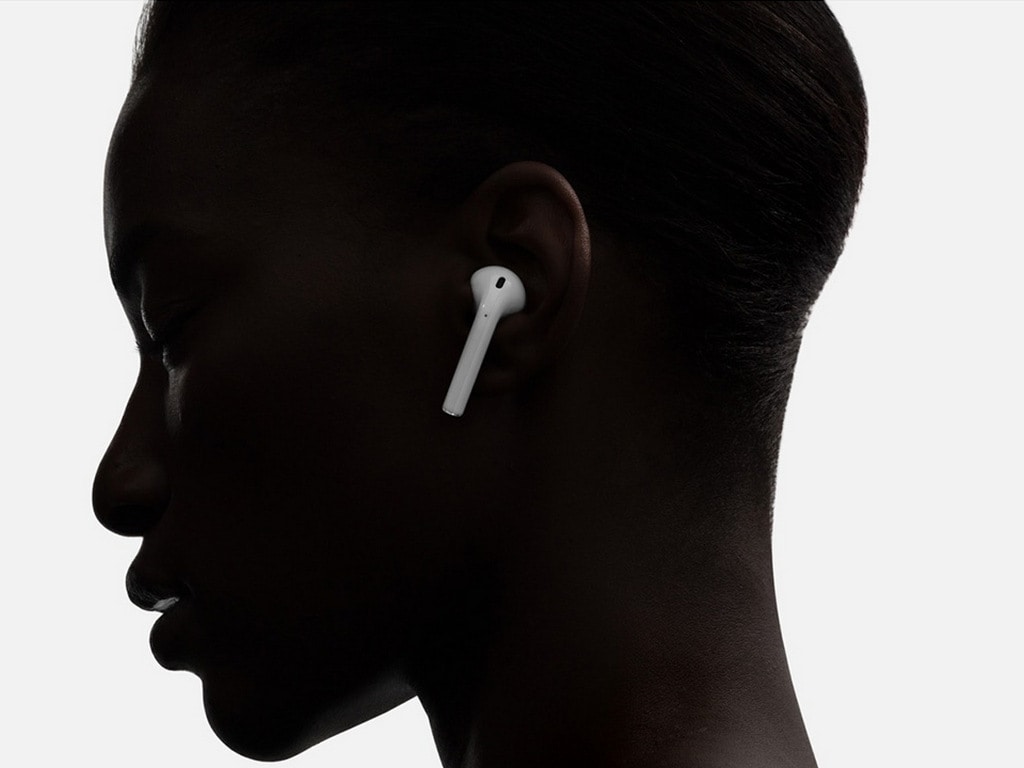 AirPods – no wires[/caption]As a side-effect, several manufacturers like Motorola, HTC, Xiaomi and now even OnePlus are following suit by removing the 3.5 mm jacks from their smartphones altogether, much to the dismay of audio enthusiasts and purists who swear by the quality of wired audio over anything else.[caption id="attachment_5718931" align="alignnone" width="1280"]
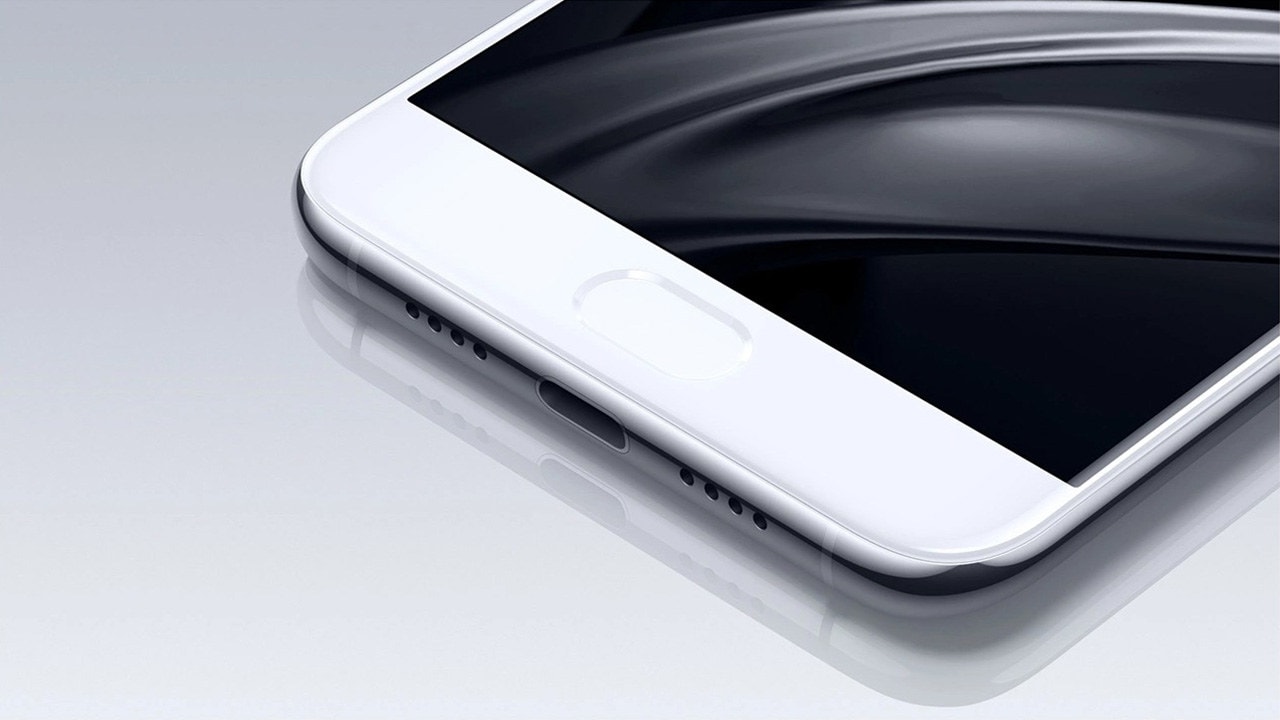 Look ma! No 3.5mm jack.[/caption]If you are one of those kinds to lose your AirPods easily, here’s a “How not to lose your AirPods” video to help you out.
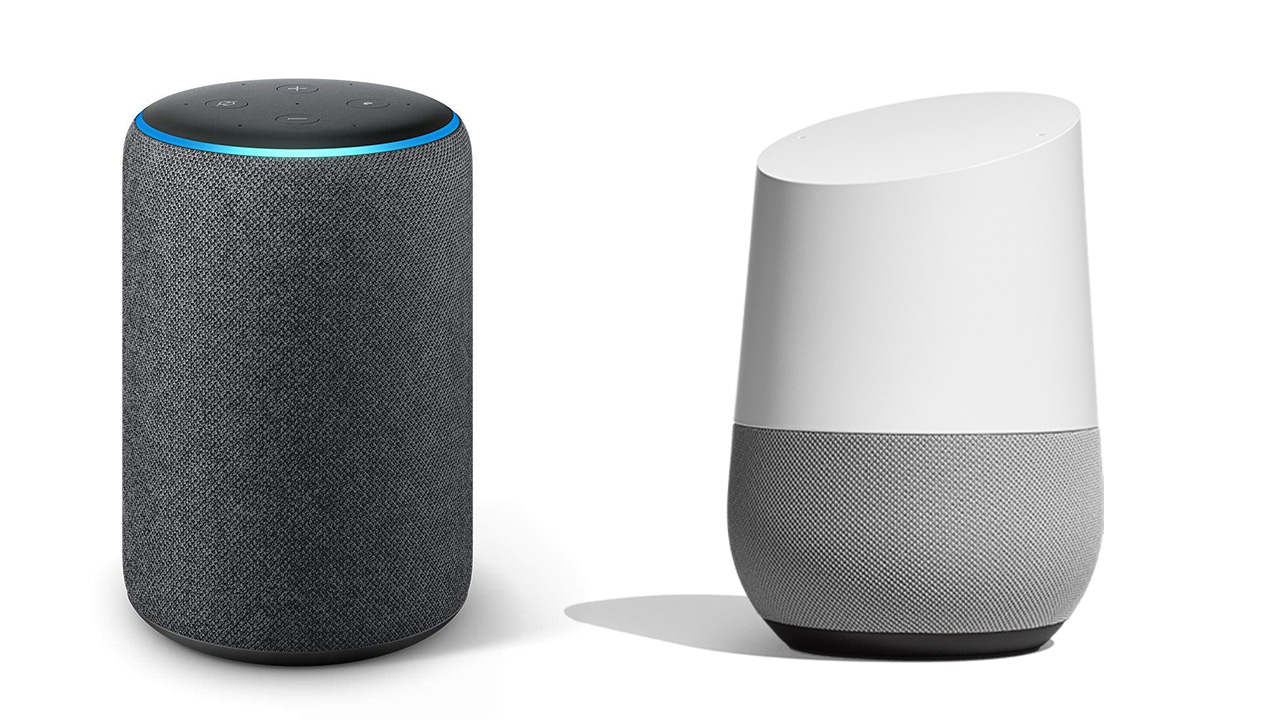 The AI enabled speakers - Amazon’s Echo and Google Home[/caption]The naive state of AI hasn’t stopped manufacturers from putting AI into audio technology doing rudimentary commands such as play music, shopping online or even some home automation with Amazon Alexa/Google Home. However, don’t expect to have meaningful conversations with it, at the most you can play music, listen to podcasts, have ebooks read out or like a secretary/assistant, the AI can make calendar appointments, check the weather, shop online or even control the lights with home automation setup which would require additional investments of course.Whatever may be the use, Artificial Intelligence in speaker technology is here to stay. It will only become more intelligent, more widespread and will be everywhere.
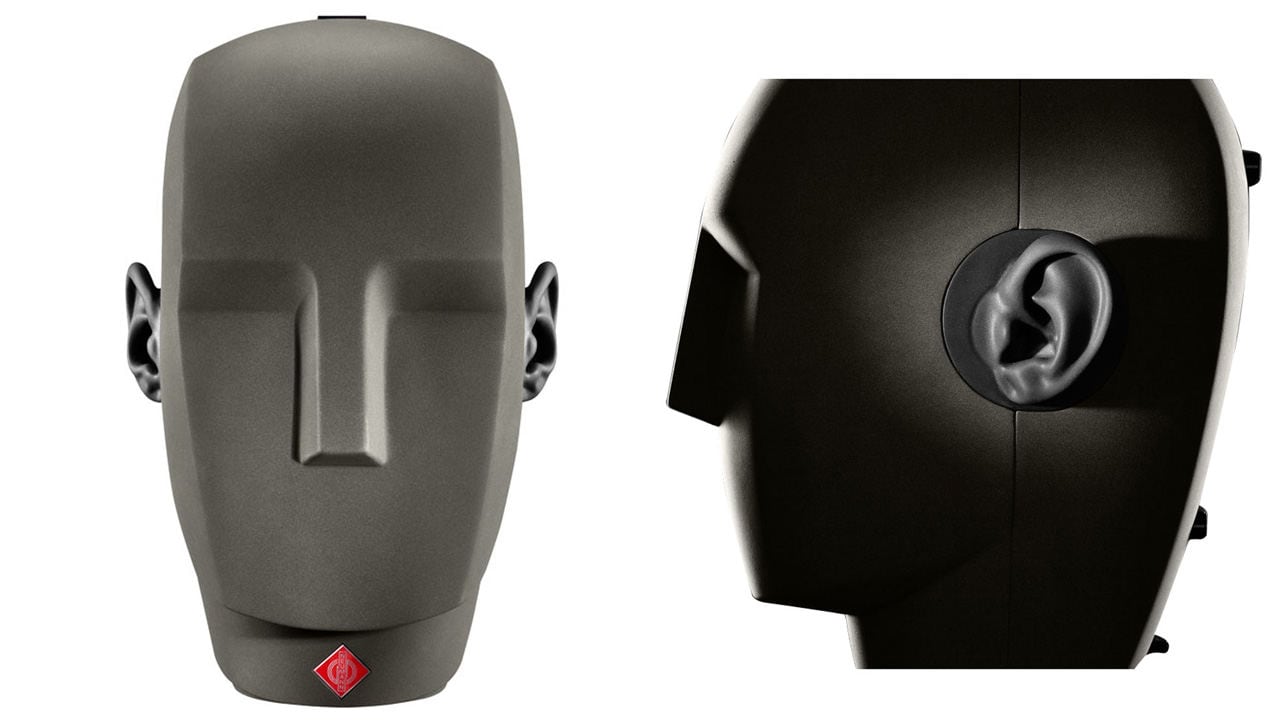 The Neumann KU 100 Dummy Head Stereo Microphone[/caption]This is actually not a new recording style, it was initially experimented way back in the 1960s by Sony and Aiwa (remember the old Aiwa TV ads?) and only now has been coming into the public eye with the improved recording techniques such as Neumann KU100 microphone used to record binaural sound.Watch a lovely song recorded with Binaural equipment. Please use earphones/headphones to hear this.
First Published:Dec 17, 2018, 10:45:04 IST
Advertisement
Advertisement

Why AI notetakers are raising serious privacy and security concerns
AI notetakers promise effortless meeting summaries, but experts warn they could expose confidential conversations, corporate secrets and personal voiceprints. As businesses increasingly adopt AI-powered meeting assistants, questions over data storage, privacy, consent and legal risks are becoming impossible to ignore
5 min read
China's low-cost AI models are changing the global AI race. Here's why Silicon Valley is worried
As Chinese firms continue to improve performance while keeping prices low, the AI race is no longer just about building the smartest model—it is increasingly becoming a battle over who can deliver the best value
2 min read
China's Kimi K3 challenges US AI leaders with frontier-level performance at lower cost
Chinese artificial intelligence startup Moonshot AI has unveiled its latest open-weight AI model, Kimi K3, with early results suggesting it could compete with some of the world's most advanced AI systems developed by leading US companies
2 min read
How did Instagram run ads promoting child abuse in India?
India has issued a notice to Meta after an investigation alleged that Instagram displayed paid advertisements promoting child sexual abuse material. MeitY ordered Meta to remove such Instagram ads and explain within seven days how they were approved
8 min read
Why has India halted WhatsApp’s username feature before launch?
India has halted WhatsApp’s planned username feature, citing concerns about cybercrime, impersonation, and law enforcement challenges. As Meta races to address security concerns, here’s why MeitY has paused the rollout, what the feature does, and how it could influence privacy and online safety in India
3 min read
Advertisement
Advertisement