
Advertisement


Sections
ARM employees have been instructed to suspend business with Huawei: Report
ARM staff has been told to stop working on “active contracts” and “pending engagements” with Huawei.

Huawei has been facing blow after blow in its business relations across companies from around the world, especially US companies after it was put on a trade blacklist by the Trump administration. The latest setback reportedly comes from UK-based chip designer ARM that has sent a memo to its employees to suspend any kind of business with Huawei.[caption id="attachment_6684161" align="alignnone" width="1280"]![An ARM Holdings Plc Cortex-A15 MPCore processor. Image: Telegraph.]() An ARM Holdings Plc Cortex-A15 MPCore processor. Image: Telegraph.[/caption]Internal documents from the BBC say that ARM wants its employees to “halt all active contracts, support entitlements, and any pending engagements” with Huawei and its subsidiaries. The company memo states that its designs contain “US-origin technology”. ARM gave a statement to BBC that it was "complying with all of the latest regulations set forth by the US government”. Huawei hasn’t spoken on this yet.ARM is headquartered at Cambridge with offices spread across the world including six in the US. Although they don’t manufacture processors themselves, its designs or architecture are licensed by several other chipmakers including Apple, Qualcomm and Huawei for its mobile processors.Losing business from ARM, which is now owned by Softbank, is a major blow to the Chinese tech giant since its homegrown Kirin SoCs, from its subsidy HiSilicon, are based on ARM processor architecture.Huawei had been anticipating a ban and as a backup, they had been working on an alternative software for its mobile devices. Although the software is something they can build upon open sourced libraries and frameworks, creating a new architecture for its processors will be a huge challenge. Huawei is free to continue using the existing chips with the licenses for now. However, any future engagements will be suspended.It still isn’t clear whether the suspension of business comes from ARM themselves or on instructions from the US commerce department. If the former is the case, then more international companies will be joining in and cutting ties with Huawei.Read more on the Huawei banning saga:Huawei's Android license has been revoked: Here's what Huawei has to say about itHuawei's Android licence revoked: What it means for existing Huawei and Honor phone usersIntel and Qualcomm join Google in cutting off ties with Huawei following Trump banAfter Huawei blacklist, 'Boycott Apple' campaign gaining steam in China: ReportGerman chipmaker Infineon suspends shipments to Huawei after US trade blacklistHuawei is reportedly releasing its own Android alternative called IndeoenOS this fallHuawei accuses US of bullying, says working with Google to respond to banHuawei doesn't mention Android at its new Honor 20 series smartphone launch eventHuawei's trade ban by the US could advance local Chinese chip suppliersHuawei CEO Ren Zhengfei claims the US's 90-day reprieve does not bear 'much impact'Some Huawei Mobile users are considering a switch after Google suspension
An ARM Holdings Plc Cortex-A15 MPCore processor. Image: Telegraph.[/caption]Internal documents from the BBC say that ARM wants its employees to “halt all active contracts, support entitlements, and any pending engagements” with Huawei and its subsidiaries. The company memo states that its designs contain “US-origin technology”. ARM gave a statement to BBC that it was "complying with all of the latest regulations set forth by the US government”. Huawei hasn’t spoken on this yet.ARM is headquartered at Cambridge with offices spread across the world including six in the US. Although they don’t manufacture processors themselves, its designs or architecture are licensed by several other chipmakers including Apple, Qualcomm and Huawei for its mobile processors.Losing business from ARM, which is now owned by Softbank, is a major blow to the Chinese tech giant since its homegrown Kirin SoCs, from its subsidy HiSilicon, are based on ARM processor architecture.Huawei had been anticipating a ban and as a backup, they had been working on an alternative software for its mobile devices. Although the software is something they can build upon open sourced libraries and frameworks, creating a new architecture for its processors will be a huge challenge. Huawei is free to continue using the existing chips with the licenses for now. However, any future engagements will be suspended.It still isn’t clear whether the suspension of business comes from ARM themselves or on instructions from the US commerce department. If the former is the case, then more international companies will be joining in and cutting ties with Huawei.Read more on the Huawei banning saga:Huawei's Android license has been revoked: Here's what Huawei has to say about itHuawei's Android licence revoked: What it means for existing Huawei and Honor phone usersIntel and Qualcomm join Google in cutting off ties with Huawei following Trump banAfter Huawei blacklist, 'Boycott Apple' campaign gaining steam in China: ReportGerman chipmaker Infineon suspends shipments to Huawei after US trade blacklistHuawei is reportedly releasing its own Android alternative called IndeoenOS this fallHuawei accuses US of bullying, says working with Google to respond to banHuawei doesn't mention Android at its new Honor 20 series smartphone launch eventHuawei's trade ban by the US could advance local Chinese chip suppliersHuawei CEO Ren Zhengfei claims the US's 90-day reprieve does not bear 'much impact'Some Huawei Mobile users are considering a switch after Google suspension
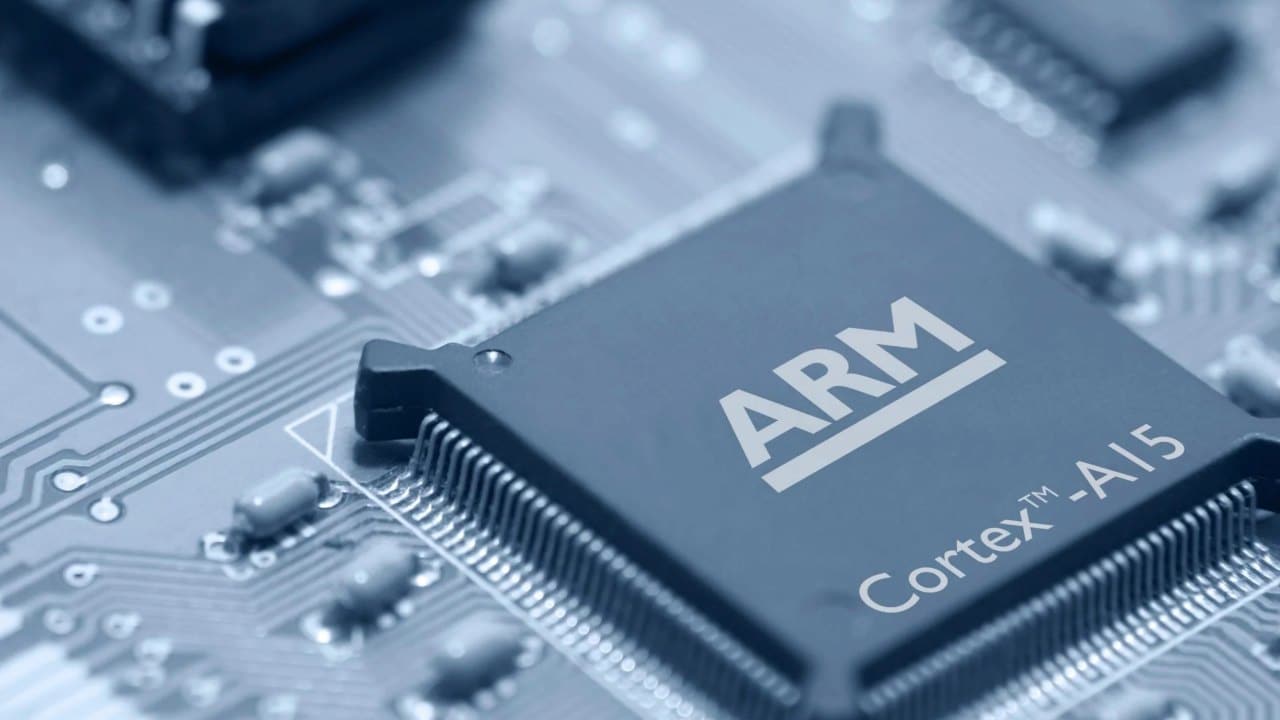 An ARM Holdings Plc Cortex-A15 MPCore processor. Image: Telegraph.[/caption]Internal documents from the BBC say that ARM wants its employees to “halt all active contracts, support entitlements, and any pending engagements” with Huawei and its subsidiaries. The company memo states that its designs contain “US-origin technology”. ARM gave a statement to BBC that it was "complying with all of the latest regulations set forth by the US government”. Huawei hasn’t spoken on this yet.ARM is headquartered at Cambridge with offices spread across the world including six in the US. Although they don’t manufacture processors themselves, its designs or architecture are licensed by several other chipmakers including Apple, Qualcomm and Huawei for its mobile processors.Losing business from ARM, which is now owned by Softbank, is a major blow to the Chinese tech giant since its homegrown Kirin SoCs, from its subsidy HiSilicon, are based on ARM processor architecture.
First Published:May 22, 2019, 16:32:57 IST
Advertisement
Advertisement

Why AI notetakers are raising serious privacy and security concerns
AI notetakers promise effortless meeting summaries, but experts warn they could expose confidential conversations, corporate secrets and personal voiceprints. As businesses increasingly adopt AI-powered meeting assistants, questions over data storage, privacy, consent and legal risks are becoming impossible to ignore
5 min read
China's low-cost AI models are changing the global AI race. Here's why Silicon Valley is worried
As Chinese firms continue to improve performance while keeping prices low, the AI race is no longer just about building the smartest model—it is increasingly becoming a battle over who can deliver the best value
2 min read
China's Kimi K3 challenges US AI leaders with frontier-level performance at lower cost
Chinese artificial intelligence startup Moonshot AI has unveiled its latest open-weight AI model, Kimi K3, with early results suggesting it could compete with some of the world's most advanced AI systems developed by leading US companies
2 min read
How did Instagram run ads promoting child abuse in India?
India has issued a notice to Meta after an investigation alleged that Instagram displayed paid advertisements promoting child sexual abuse material. MeitY ordered Meta to remove such Instagram ads and explain within seven days how they were approved
8 min read
Why has India halted WhatsApp’s username feature before launch?
India has halted WhatsApp’s planned username feature, citing concerns about cybercrime, impersonation, and law enforcement challenges. As Meta races to address security concerns, here’s why MeitY has paused the rollout, what the feature does, and how it could influence privacy and online safety in India
3 min read
Advertisement
Advertisement