


Apple's AirPods 3 will adopt AirPods Pro's SiP technology, says analyst Ming-Chi Kuo
Apple AirPods 3 is expected to launch in the first half of 2021, as per Ming-Chi Kuo.

Renowned Apple analyst Ming-Chi Kuo has now revealed that the next-generation AirPods will adopt a more advanced SiP or system-in-package chip technology instead of the current SMT or surface mount technology.The SiP tech allows for more components to be packed inside a smaller space, which is similar to the AirPods Pro.The AirPods pro uses SiP and the custom H1 chip handles noise-cancellation, Siri commands, connectivity, etc.According to a report by Apple Insider that cited Kuo, Apple will introduce the chip packaging technology in its entry-level AirPods product in 2021.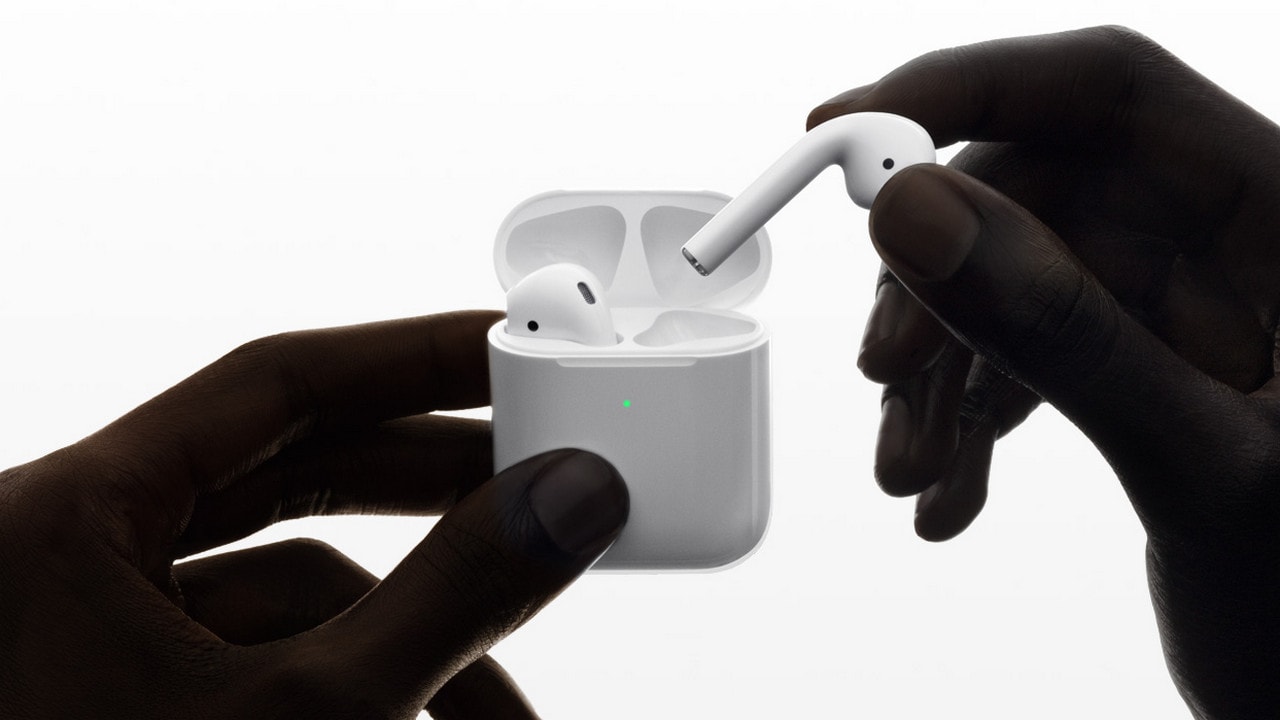 The report stated that Kuo, in a note on Monday, reiterated Apple's intent to transition the AirPods 3 to a design similar to AirPods Pro.Kuo noted that with AirPods 3 expected in the first half of 2021, current-generation AirPods pro part suppliers should see component shipments grow an estimated 50 to 100 percent each year.As per Kuo, Amkor, JCET and potential newcomer Huanxu Electronics stand to benefit with the transition to SiP technology.A report in Mac Rumors cites Kuo in stating that overall AirPods shipments are projected to slow in 2021, with growth expected at 28 percent every year, compared to an expected 65.1 per cent growth in 2020. According to Kuo, the sale growth in 2020 will be because of Apple's decision to sell the iPhone 12 without wired EarPods included in the set.

Why AI notetakers are raising serious privacy and security concerns
China's low-cost AI models are changing the global AI race. Here's why Silicon Valley is worried
China's Kimi K3 challenges US AI leaders with frontier-level performance at lower cost
How did Instagram run ads promoting child abuse in India?
Why has India halted WhatsApp’s username feature before launch?