
Advertisement


Sections
Apple's 2019 iPhones to feature changes in antenna technology: Ming-Chi Kuo
The move to a new antenna technology could lead to potential cost savings for the customer.

Apple's next generation of iPhones are a long way from launch but that's never going to stop the rumour mill from churning. The 2019 iPhone family is now rumoured to have a new mix of antenna technology that is expected to be more reliable as Apple moves towards 5G in 2020.According to Apple analyst Ming-Chi Kuo, who generally has a very respectable record when it comes to predicting Apple's hardware moves, Apple is looking to move away from using Liquid Crystal Polymer (LCP) antenna tech and adopt a new combination that uses a technology referred to as MPI.What does this mean for actual performance on the new phones? Well, there won't be much difference for calls or data, according to Kuo. He says that the 2019 iPhones will still have six antennas (four MPI antennae and two LCP antennae) built into them, but because Apple might be able to strike a better deal on component prices (by threatening to move to a different technology), there could be potential improvements in price for the consumer as well. Knowing Apple, whose phones have only risen in price, year after year, this is very unlikely.[caption id="attachment_5467831" align="alignnone" width="1280"]![The Apple iPhone XR. Image: tech2/Omkar Patne]()
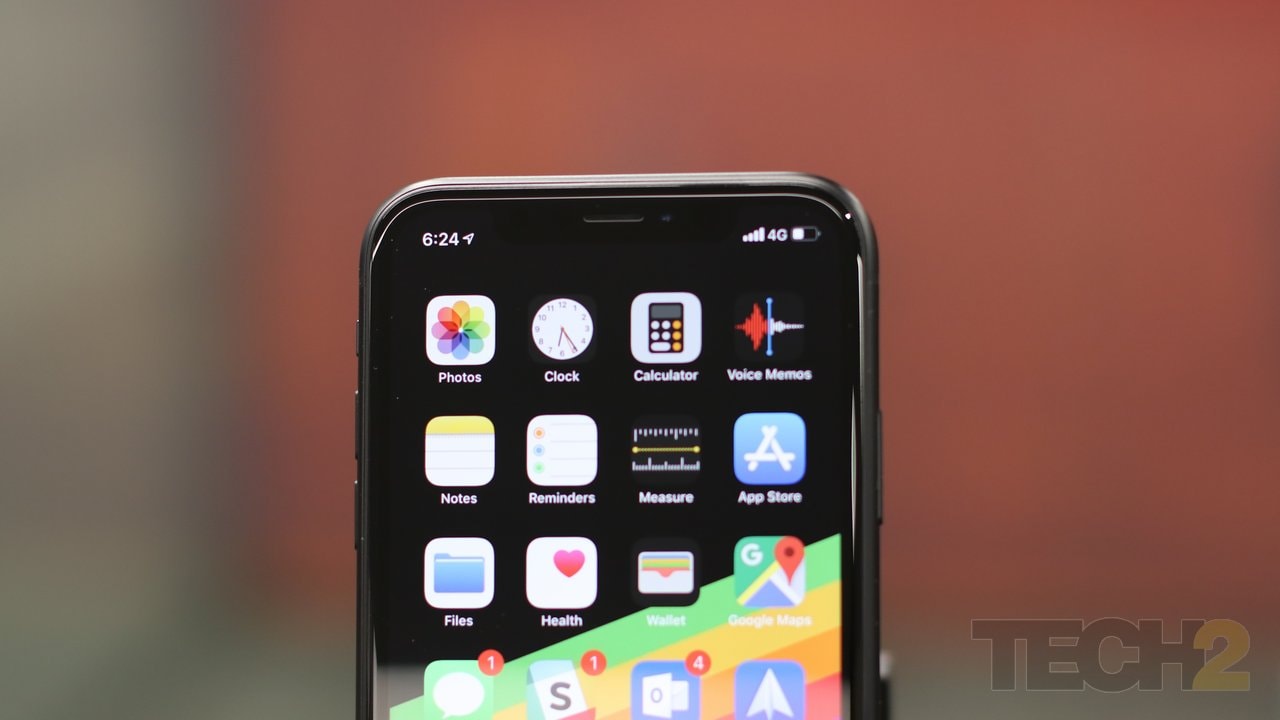
The Apple iPhone XR. Image: tech2/Omkar Patne[/caption]As per a report by 9To5Mac, Kuo says that there are quite a few reasons for Apple to make this change, most of which are too technical to get into in this article. Kuo reportedly mentions that LCP is more brittle than competing technologies and that MPI performance could match LCP once the formula for its manufacture is further refined.Although there is no mention of 5G in the report, the modifications could be the first steps towards Apple's 5G future.
First Published:Nov 12, 2018, 19:31:38 IST
Advertisement
Advertisement

Why AI notetakers are raising serious privacy and security concerns
AI notetakers promise effortless meeting summaries, but experts warn they could expose confidential conversations, corporate secrets and personal voiceprints. As businesses increasingly adopt AI-powered meeting assistants, questions over data storage, privacy, consent and legal risks are becoming impossible to ignore
5 min read
China's low-cost AI models are changing the global AI race. Here's why Silicon Valley is worried
As Chinese firms continue to improve performance while keeping prices low, the AI race is no longer just about building the smartest model—it is increasingly becoming a battle over who can deliver the best value
2 min read
China's Kimi K3 challenges US AI leaders with frontier-level performance at lower cost
Chinese artificial intelligence startup Moonshot AI has unveiled its latest open-weight AI model, Kimi K3, with early results suggesting it could compete with some of the world's most advanced AI systems developed by leading US companies
2 min read
How did Instagram run ads promoting child abuse in India?
India has issued a notice to Meta after an investigation alleged that Instagram displayed paid advertisements promoting child sexual abuse material. MeitY ordered Meta to remove such Instagram ads and explain within seven days how they were approved
8 min read
Why has India halted WhatsApp’s username feature before launch?
India has halted WhatsApp’s planned username feature, citing concerns about cybercrime, impersonation, and law enforcement challenges. As Meta races to address security concerns, here’s why MeitY has paused the rollout, what the feature does, and how it could influence privacy and online safety in India
3 min read
Advertisement
Advertisement