


Apple Watch can detect irregular heartbeats, finds study conducted on more than 400,000 users
The aim of this Apple study was to evaluate how good the algorithm was and whether it was safe.

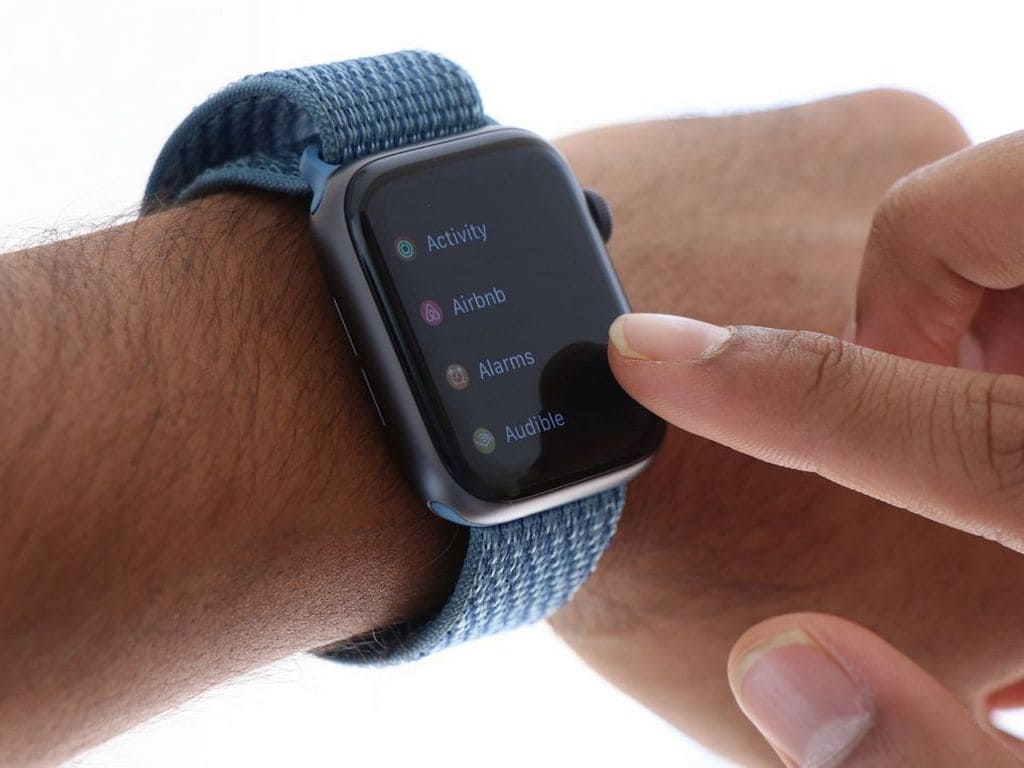
Dr. Mintu Turakhia, a Stanford cardiologist and study co-author, said the aim was to evaluate how good the algorithm was and whether it was safe.[/caption]The Apple study, conducted by researchers at Stanford University School of Medicine, tested the Apple Watch's heart rate sensor and algorithm in more than 400,000 participants who used an app to sign up for the eight-month trial.During the study, only 0.5 percent of participants received a warning that they had an irregular pulse, a finding study authors believe should ease concerns that the device would result an excess of notifications in healthy participants.People flagged for an irregular pulse were sent an EKG patch to wear. Of those, 34 percent were found to have atrial fibrillation.(Also read: Apple Watch Series 5 review: Barring the always-on display, there's little else to talk about)Dr. Mintu Turakhia, a Stanford cardiologist and study co-author, said the aim was to evaluate how good the algorithm was and whether it was safe."If you turn this on out in the wild, how many people are going to get notified and what does that mean for patients, the healthcare system, payers, and patients themselves?" he said.On that score, Turakhia said, the trial was a success.(Also read: Apple Watch Series 4's fall detection feature saves yet another life in the US)NEJM editor Dr. Edward Campion noted in an editorial, however, that everyone in the study had to own both an iPhone and an Apple Watch, making all participants customers of the study sponsor.Dr. Daniel Cantillon, a Cleveland Clinic cardiologist who was not involved with the study, called the technology promising, but said more than half of the people who signed up were under 40, a group already at low risk for atrial fibrillation."The overarching concern is are we identifying the sick, or are we scaring the healthy?"

Why AI notetakers are raising serious privacy and security concerns
China's low-cost AI models are changing the global AI race. Here's why Silicon Valley is worried
China's Kimi K3 challenges US AI leaders with frontier-level performance at lower cost
How did Instagram run ads promoting child abuse in India?
Why has India halted WhatsApp’s username feature before launch?