


Apple to miss their iPhone 14 Pro shipment goal by 20 million units, may drive away demand
Apple had previously cut production of the iPhone 14 Pro series down to 85-90 million units. Now, reports have emerged which suggest that they will only be able to ship 70-75 million units.

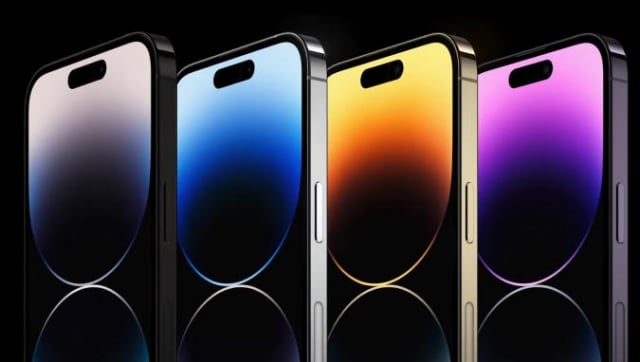
Apple had previously cut production of the iPhone 14 Pro series down to 85-90 million units. Now, reports have emerged which suggest that they will only be able to ship 70-75 million units. Image Credit: Apple[/caption]A new report from Apple analyst Ming-Chi Kuo offers additional details on the impact of shortages and strikes across China, saying that iPhone 14 Pro and iPhone 14 Pro Max shipments for the holiday quarter will be 15-20 million units lower than expected.Kuo has estimated that after Apple had revised the production targets for each of the devices under the iPhone 14 lineup, Apple will only be able to ship about 70-75 million units. Earlier, the figures were revised down to 85-90 million units.The average capacity utilization rate of Zhengzhou iPhone plant was only about 20% in November, and it’s expected to improve to 30–40% in December.Pegatron and Luxshare ICT have obtained about 10% of the iPhone 14 Pro and 14 Pro Max orders from Foxconn, respectively. But mass shipments will not be until late December at the earliest.In India, what the shortage has led to is a golden opportunity for players in the black market and for private sellers, who are making money hand over fist by selling iPhones 14 Pro and iPhone 14 Pro Max at a premium.According to the production recovery progress of the iPhone 14 Pro series, shipments in December were still significantly lower than expected.Notably, Kuo believes that buyers won’t defer their purchase to when supply has improved, something Kuo attributes to “the economic recession.” This may drive away the demand for the iPhone 14 series. Kuo also predicts that Apple’s iPhone revenue in the final quarter of the year may be significantly lower than the market consensus by 20–30% or more.Apple also reportedly did not inform many of its component suppliers to cut orders, leaving them with “component inventory higher than normal for several weeks.”

Why AI notetakers are raising serious privacy and security concerns
China's low-cost AI models are changing the global AI race. Here's why Silicon Valley is worried
China's Kimi K3 challenges US AI leaders with frontier-level performance at lower cost
How did Instagram run ads promoting child abuse in India?
Why has India halted WhatsApp’s username feature before launch?