


Apple iPhones will use recycled rare earth elements its in 'Taptic Engine'
Apple will use recycled rare earth elements from an outside supplier, not from previously used iPhones.

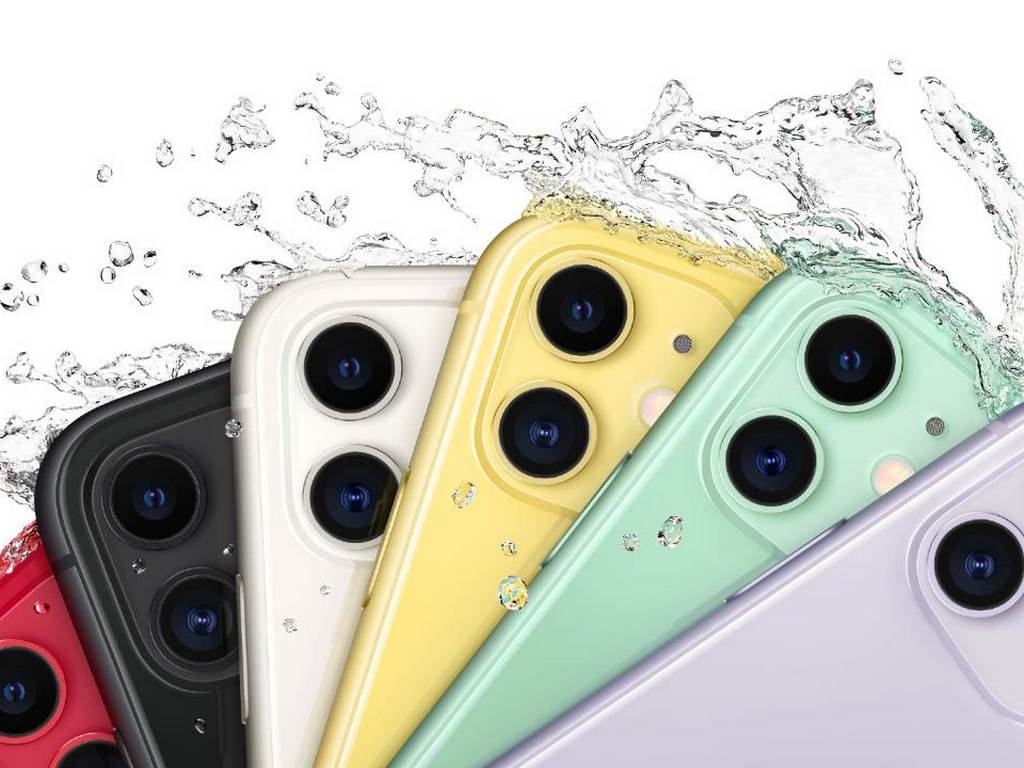
Apple iPhone 11 colour variants. Image: Apple.[/caption]In consumer electronics, rare earths reside in tiny speakers and actuators. The parts are so small that collecting them for recycling is difficult and expensive. For now, Apple will use recycled rare earths from an outside supplier, not from previously used iPhones. Apple declined to name the supplier or say what products the rare earths were recovered from, though the company did say the source was post-industrial, meaning material generated during manufacturing processes rather than from discarded consumer products. Jackson said that Apple’s scale - new iPhone models are typically sell tens of millions of units per year - helped make the project economically viable.“We have essentially made a market for this entrepreneur, this innovator, who found a way to recycle rare earths,” Jackson said. Kyle Wiens, the chief executive of iFixit, a company focused on repairing and reusing electronics, said Apple’s move was a first for the industry. “Rare earth elements aren’t being recycled from electronics right now, and that’s a huge problem — China has a stranglehold on the virgin material supply,” Wiens said. “This is a great idea — Apple could single-handedly create a hugely needed market for recycled rare earths.” Apple often aims to reuse parts from its old devices.Apple said on Wednesday that aluminum from enclosures recovered through its trade-in programs will be melted down and made into new MacBook Air laptop computers. The company previously disclosed that cobalt recovered from iPhone batteries disassembled by robots at its recycling labs in Texas is put into new iPhone batteries. Apple is experimenting with ways to recover rare earths from its phones using its robots, which can remove tiny parts and separate them into collection bins to aggregate enough material to make recycling viable.The company is also researching ways that conventional recyclers, who shred devices and separate out the various materials, could tweak their lines to recover the elements, information that Jackson said Apple is open to sharing. “There are some innovations of ours that we actually want people to copy. So as much as possible - as long as it doesn’t give away some of our other design and engineering innovation - we are happy to bring along the recycling industry,” Jackson said. “We have started to be much more transparent around this technology development than we usually are.”

Why AI notetakers are raising serious privacy and security concerns
China's low-cost AI models are changing the global AI race. Here's why Silicon Valley is worried
China's Kimi K3 challenges US AI leaders with frontier-level performance at lower cost
How did Instagram run ads promoting child abuse in India?
Why has India halted WhatsApp’s username feature before launch?