


Amazon shareholders reject proposal to ban facial recognition sales to governments
Law enforcement in Oregon and Florida have used Amazon's face and image ID service, known as Rekognition.

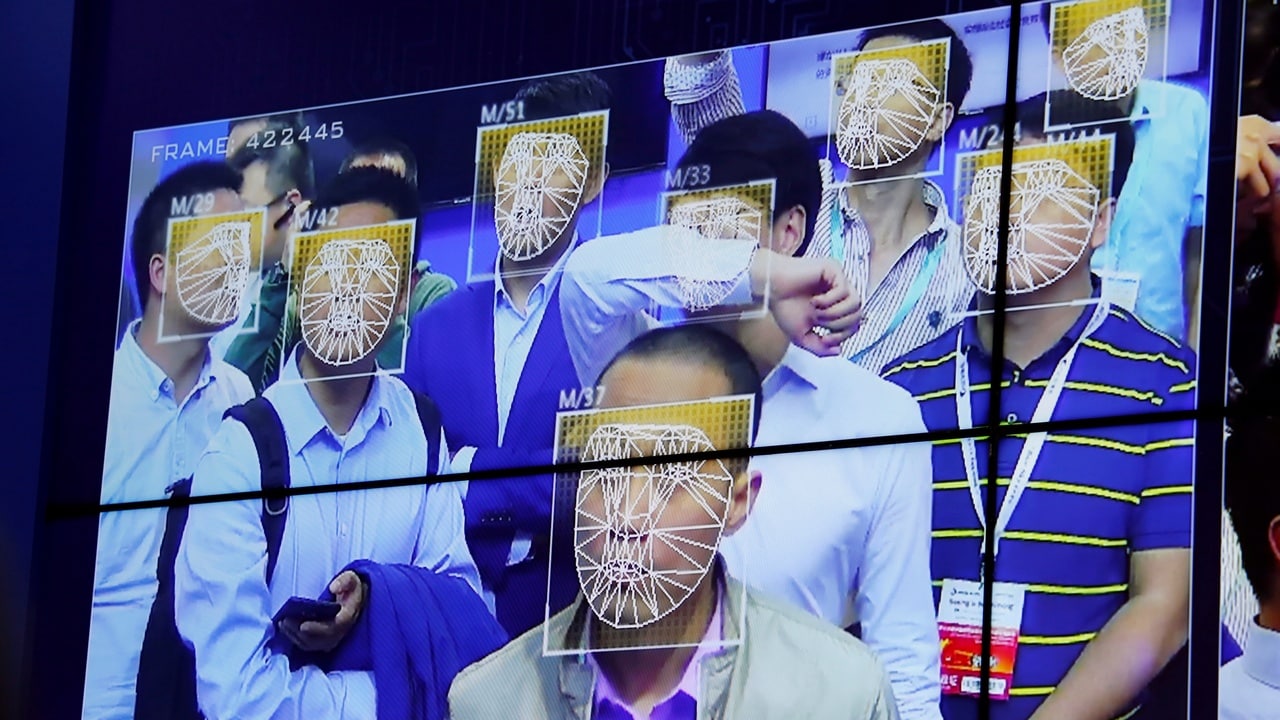
Visitors experience facial recognition technology at Face++ booth during the China Public Security Expo in Shenzhen. Reuters[/caption]Law enforcement in Oregon and Florida have used Amazon's face and image ID service, known as Rekognition.With support from civil liberties groups, two non-binding proposals on facial recognition made it to the ballot ahead of Amazon's shareholder meeting on Wednesday.The first would have made the company stop offering facial recognition to governments unless its board determined sales did not violate civil liberties. A second would have requested a study by September of the extent to which Amazon's service harmed rights and privacy.But the proposals faced an uphill battle. Amazon's board recommended against them, and Jeff Bezos, the company's chief executive and founder, controls 16 percent of the company's stock and voting rights.Still, the American Civil Liberties Union called the shareholder intervention a "wake-up call."In Washington on Wednesday, a key congressional committee met to discuss the impact of facial recognition on civil rights. US Representative Mark Meadows, a Republican, said during the hearing that it was the time to work on legislation regarding the technology."You've now hit the sweet spot that brings progressives and conservatives together," he said.

Why AI notetakers are raising serious privacy and security concerns
China's low-cost AI models are changing the global AI race. Here's why Silicon Valley is worried
China's Kimi K3 challenges US AI leaders with frontier-level performance at lower cost
How did Instagram run ads promoting child abuse in India?
Why has India halted WhatsApp’s username feature before launch?