


Jim O’Neill's advice to India: Do more non-dollar deals

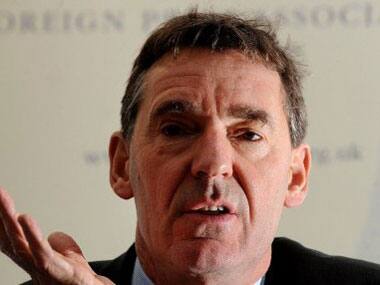
Jim O’Neill, former chairman of Goldman Sachs Asset Management, has some good advice for India on how it should deal with the mighty US dollar now that the rupee has breached an all-time low of 60 against the US dollar.
Too much dependence on short-term flows has has made it difficult to finance the current account deficit as fears about the US Fed ending its stimulus policy has destabilisted hot money inflows. India in the last month has seen the value of not only its currency but also equities and bonds drop.
In a breaking Blommberg View Column, O'Neill points out that emerging economies like India do more non-dollar deals, shore up its domestic savings and increase long-term FDI flows rather than short-term flows.
Over dependence on hot capital flows will always result in running too large a "basic balance" which is the current account deficit minus long-term capital flows because it implies countries have become addicted to easily available capital.
 More from Politics
"Because the Fed is going to carry on doing what it does, emerging economies have to consider two other remedies for the exorbitant privilege. First, countries with large current-account deficits -- such as India -- should focus on attracting bigger inflows of long-term capital, maybe in addition to raising domestic savings. Second -- and this applies more to China -- big emerging economies should favor more exchange-rate flexibility and use of their currencies in global markets," writes O Neill.
Stating that the recent oil deal between China and Russia wherin state-run Rosneft will supply 360 million metric tons of crude to China over 25 years,will be transacted in rubles and renminbi, O' Neill suggests the one way forward is to dump the dollar and do more deals in domestic currencies.
Maybe Chidambaram would be better off heeding to this advice rather than doing roadshows abroad to convince foreign companies about India's 'intact' growth story.
As this Firstpost article points out, "in its efforts to lure quick dollars and avoid a rupee slide, two UPA finance ministers – Pranab Mukherjee and Chidambaram now – have over the past two years been opening up the Indian markets to quicken short-term debt inflows. When you open a market, can you close it just after people get in? The current outflows are a direct outcome of trying to be too clever by half with foreign investors. The UPA sought and got volatile money – and is now paying the price for it."
And despite's Chidambaram's efforts to shore up investments in India, foreign retail majors are planning to keep any India investments on stand by till the poll results are out in 2014.

Rahul Gandhi, Kharge lead protest near PM residence; Centre says Parliament discussion was offered
Parliament's Monsoon Session from July 20: Key bills, numbers game to dominate agenda
Major blow to Uddhav Thackeray as six Lok Sabha MPs join Shinde camp
12 years and counting: NDA leaders felicitate PM Modi as he trumps Nehru's tenure record
‘Trust, progress and welfare’: PM Modi celebrates 12 years in office, highlights big policy moves