
Advertisement


Sections
Our freedoms are fragile, as we must remember on 73rd Independence Day and Sec 377 ruling anniversary
The judgment which struck down the law outlawing who we could love in the sanctity of our personal lives had this to say on freedom: Sexual autonomy and the right to choose a partner of one‘s choice is an inherent aspect of the right to life and right to autonomy.

There is no space at this frequency for maybes and perhapses, for the strange and magical, for the secret pleasures and daily transgressions without which a life is pure repetition, pure machine-like labour, pure obedience, in sum, pure reproduction.But it is not the certainty of biological reproduction that the sexual minority threatens, since we are at least dimly aware that homosexuality never wiped out any species that practised it, neither animal nor human. It is the certainty of social reproduction that cannot be assured if people are allowed to explore their sexuality and make their own unfettered choices. Note the language of a respondent by the name of Trust God Ministries in the petition against Section 377, “if Section 377 is declared unconstitutional, then the family system which is the bulwark of social culture will be in shambles, the institution of marriage will be detrimentally affected and rampant homosexual activities for money would tempt and corrupt young Indians into this trade (sic).”Never mind the fact that rampant heterosexual activities for money (read: sex work) don’t seem to have upset the good sirs of Trust God Ministries, nor led them to conclude that it is the very presence of heterosexuality that produces sex work. There is truth in the other fear expressed here — that the regular, heteronormative family will change, and by extension, ‘social culture’ will change. The rub is this: one, the unthinkable has already happened. And two, it is nowhere near the feverish imagination of the patriarchs and gatekeepers – mountains haven’t fallen; rivers haven’t dried up; and the eye of Sauron hasn’t opened, not to the best of our knowledge. To quote the title of a recent film, The Kids are Alright. Indeed, it is time for their parents to come out of the closet. Arundhati Katju, in an interview to Time magazine, soon after Section 377 was struck down by the Indian Supreme Court, said it was a victory not only for LGBTQ people in India, but for their parents who were able to feel the support of visibility for the first time.
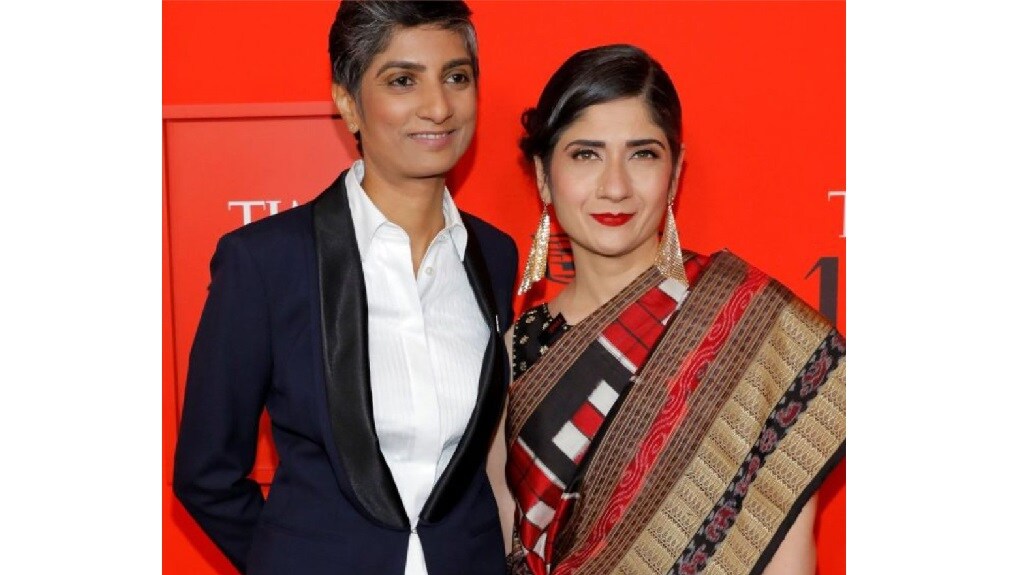 Above: Menaka Guruswamy and Arundhati Katju were featured on Time's 100 Most Influential People list of 2019. Image via FacebookNearly a year from the judgment however, it is easy to fall into the story of progress. One year ago, we were outmoded, like plastic furniture and shoulder pads. Today, we are contemporary and chic, like a glass-and-marble cloche. Most importantly, we have the law to protect unlikely couples. But our freedoms are fragile, and there’s no better time to remember this than the first anniversary of a hard-won freedom and the 73rd anniversary of our collective freedom. The judgment which struck down the law outlawing who we could love in the sanctity of our personal lives had this to say on freedom: “Sexual autonomy and the right to choose a partner of one‘s choice is an inherent aspect of the right to life and right to autonomy.” In saying this, the judges stepped as it has been widely recognised, far beyond the rights of sexual minorities. This makes sense, since Section 377 itself went far beyond the question of sexuality, invoking the ancient bat-calls of social morality to define the ‘norm-al’ as the ‘natural’, to curtail both speech and acts, and to keep the balance of power decisively in the hands of the (sexual) majority.Definitions determine the texture, colour and shape of our freedoms, not only for the minority but also for those who find themselves defined into the majority, because without a defined majority there cannot be a defined minority. Without a rule there cannot be an exception, without a norm, no ab-norm-ality. One year since the judgment, the ghosts of Majority and Minority have only grown more ominous. In power are a set of people that thrive on the seemingly unassailable moral right of the majority to define the terms of engagement for all; and if ever the word democracy meant anything other than brute force, that meaning has been lost for the foreseeable future.But because definitions are human things, majorities and minorities are humanly frail, humanly impermanent. Their meanings are impermanent, their alliances are impermanent; and their influence is impermanent. Moreover, there are unlikely couplings here too. The rich and powerful are by definition, a minority; but they need majorities to rule, not only in the sense that empires are built by slaves and workers who form the majority. Democracy needs race or caste or religion or language to render sheer numerical majority stable. By themselves thus, neither minorities nor majorities are guaranteed power; and minorities can lose power if they find themselves suddenly the ‘wrong’ minority, as it happened with the Romans in Christendom.If the ruling minorities didn’t draw on these ancient frequencies, and if the majority for any reason stopped responding to the piper’s call, they would reveal themselves to be just rulers one day. It is a question of time and perhaps of space. It is possibly a question that cannot be posed or answered in the linear form we usually conduct political analysis in. It is quite clearly not a question of salvation in the form of a single saviour of freedom, a messiah. In the meanwhile, we have freedoms to celebrate in our precious individual lives, in our unruly, wayward minds, and in our own unlikely couplings of words, acts, and lyrics.***[imgcenter]
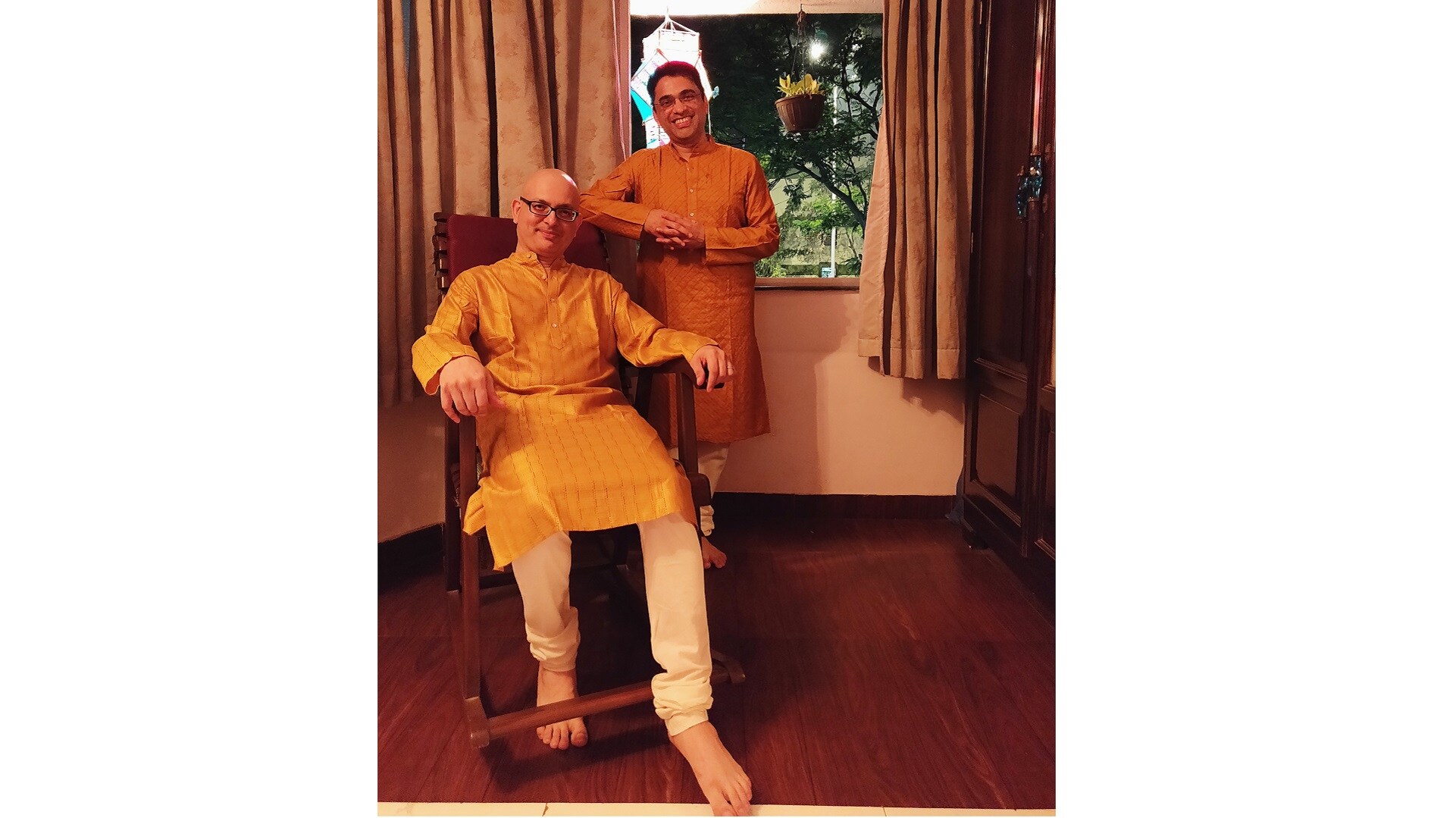 [/imgcenter]Prasad Dandekar and Shripad RanadeWe'll be celebrating our 15th anniversary on 18 August this year, and it's been an interesting journey. We are thankful to all our family and friends for being so supportive and making us feel like a "normal" couple. A year ago, when homosexuality was decriminalised, we felt as if we had emerged from 14 years of 'vanvas'. Although we are no longer 'criminals', our relationship has no legal standing. We still cannot marry, open bank accounts together, take loans; we don't have any inheritance and many more privileges that heterosexual couples have. I am hopeful that in the coming years, we will get our legal rights.Societal acceptance of the LGBTQ community is increasing, especially in urban areas, but there is still a lot that needs to change. We are thankful to all the organisations and individuals who are working towards improving acceptance for the LGBTQ community.[imgcenter]
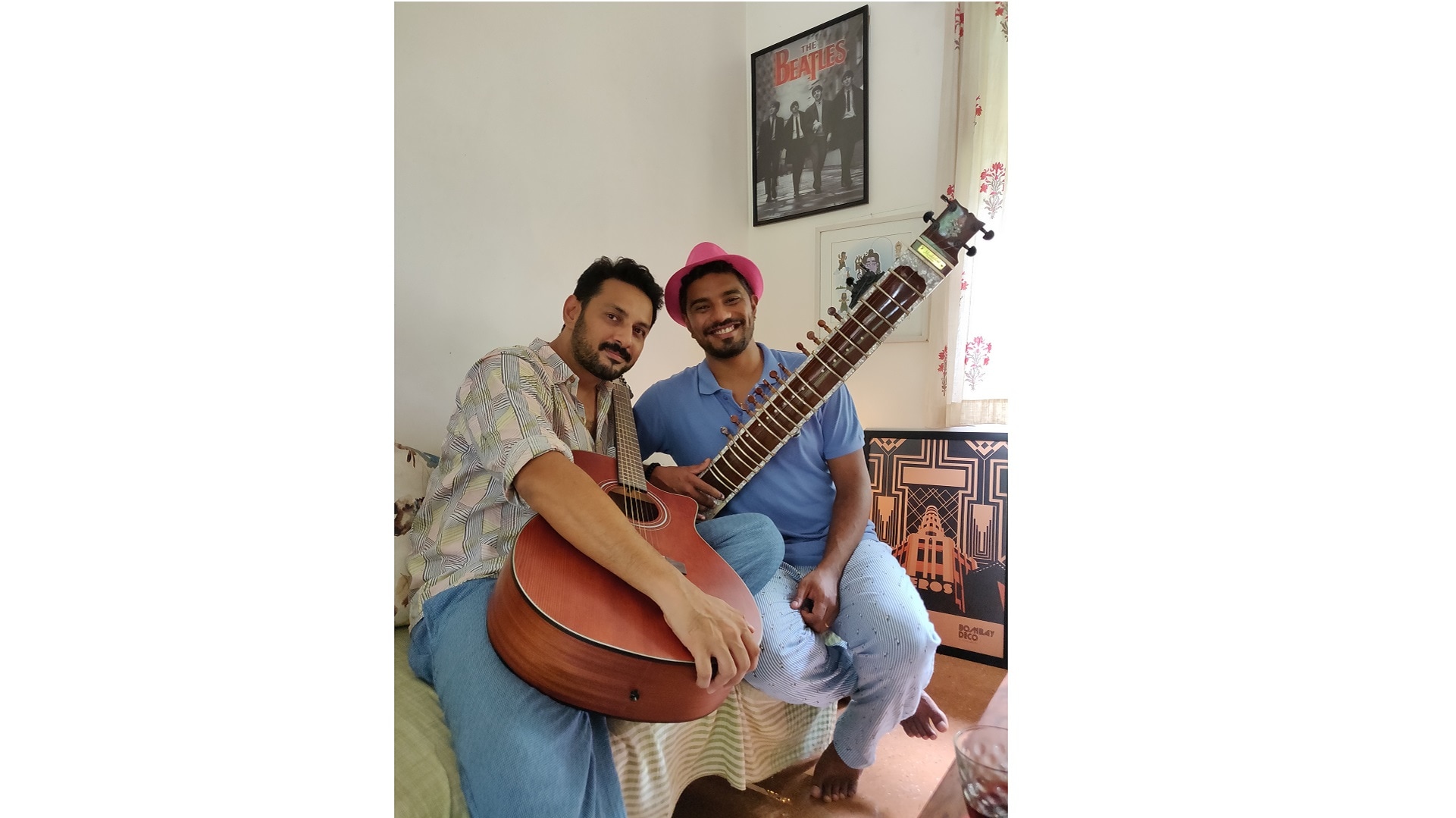 [/imgcenter]Apurva Asrani and Siddhant PillaiWe met almost 13 years ago on Orkut. Over only a few dates, we discovered that we shared a passion for food, travel and movies. Within a year, we had set up a home together. It was initially tough for Siddhant's parents to see him move out (I had come out to my folks in 1998), but when Sid told his folks, they accepted it maturely, without any drama. In fact, they took us shopping for provisions for our home.Our families hang out with each other, and once, we even took a vacation together. When our 12-year-old labrador Doobie passed away in April, our families really helped us get over the grief.No relationship is perfect and we have our share of troubles, but luckily we can talk to our families about it.[imgcenter]
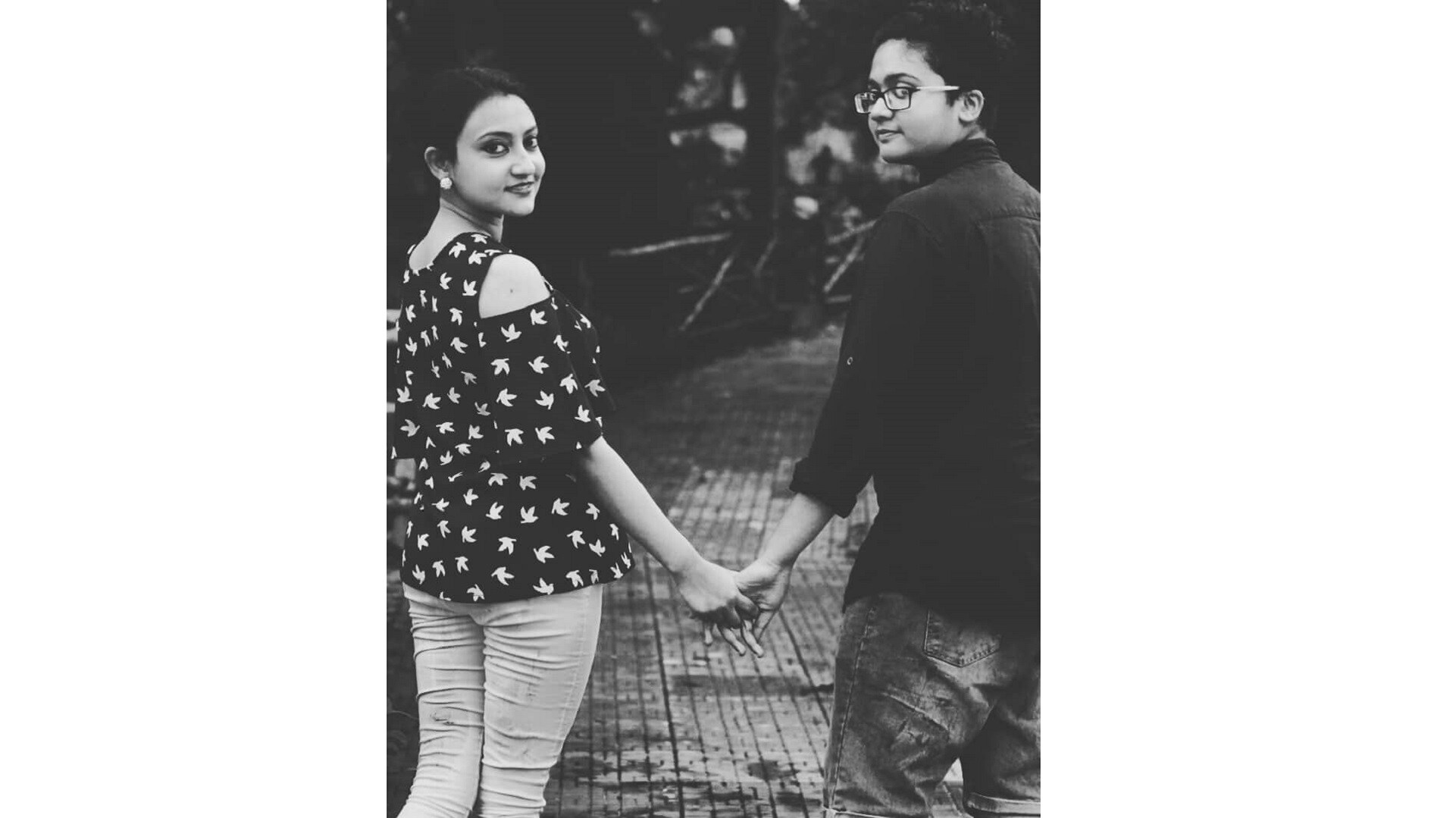 [/imgcenter]Adi and SayantiIt's been almost two years of togetherness now. Together, we saw the extreme lows of life, as well as the wondrous highs. Love in its most lucid form never let us drift away from each other. Despite several fights, we never gave up on each other.We're both happy together, and are looking forward to settling down soon.[imgcenter]
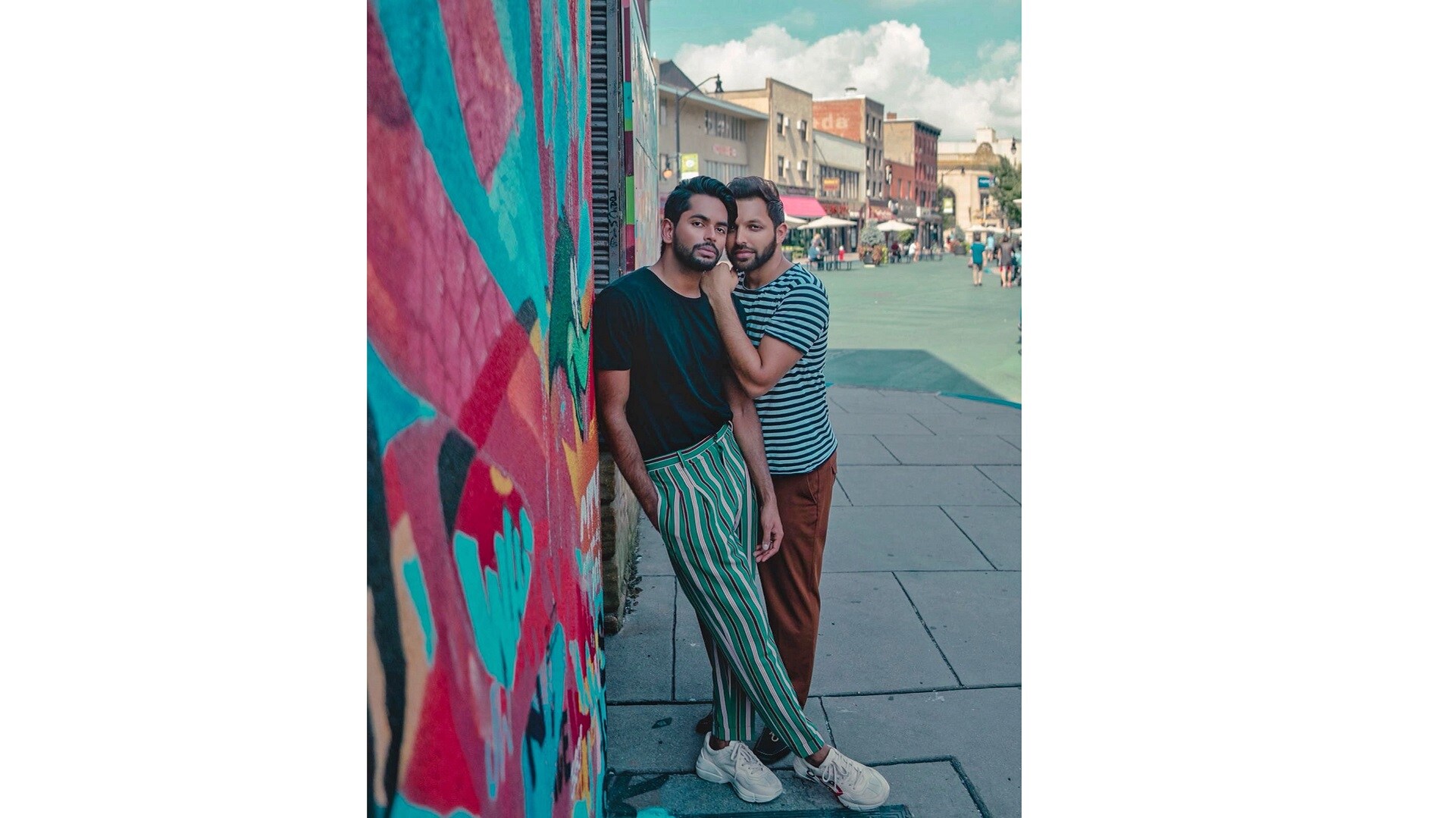 [/imgcenter]Amit Shah and Aditya Madiraju Photo courtesy Thierry Jean (@iamtj_ports)When Amit and I met in 2016, little did we know that three years down the line, we would get married! What brought us close and kept us together, through the good and bad times, was our strong love for culture and family values. It took us a year to come out to our parents and to make sure we answered each and every question they had. Today, our mothers are best friends and our friends get along really well too.To be accepted, we had to go out of our way to help everyone understand and reach the conclusion that we are no different from any other heterosexual couple. It was a tough process, but we need to realise that our society and education system have, until now, not talked freely about the LGBTQIA community. For most people, it’s an alien topic, or even worse, just a mere joke. We hope the attention our wedding has gathered helps to start a dialogue of acceptance in every home, and doesn’t end up being merely a social media trend.[imgcenter]
 [/imgcenter]Sridhar Rangayan and Saagar GuptaPhoto courtesy QGraphyFilmmaker Sridhar Rangayan and writer-lyricist Saagar Gupta are a power couple who have produced iconic LGBTQ films like Evening Shadows and The Pink Mirror. They are also the organisers of the landmark KASHISH Mumbai International Queer Film Festival.While their interests and attitudes are as poles apart as their Zodiac signs (Rangayan is the fire sign Aries, while Gupta is the water sign Pisces), they have survived life’s ups and downs because of their love for each other. They will be celebrating 25 years of togetherness this December.[imgcenter]
 [/imgcenter]Haima Simoes and Shruti Venkatesh Photo courtesy Yash YeriWe’re the best of friends who happen to be madly in love with each other, and our beautiful little cat. Every day is basically us getting through life as a team, and we wouldn’t have it any other way. We almost always know what the other person is thinking about and often creepily say it out loud. For the past two-and-a-half years, we have spent pretty much all our time and days together. Yet, there hasn’t been a single moment where we ran out of words.[imgcenter]
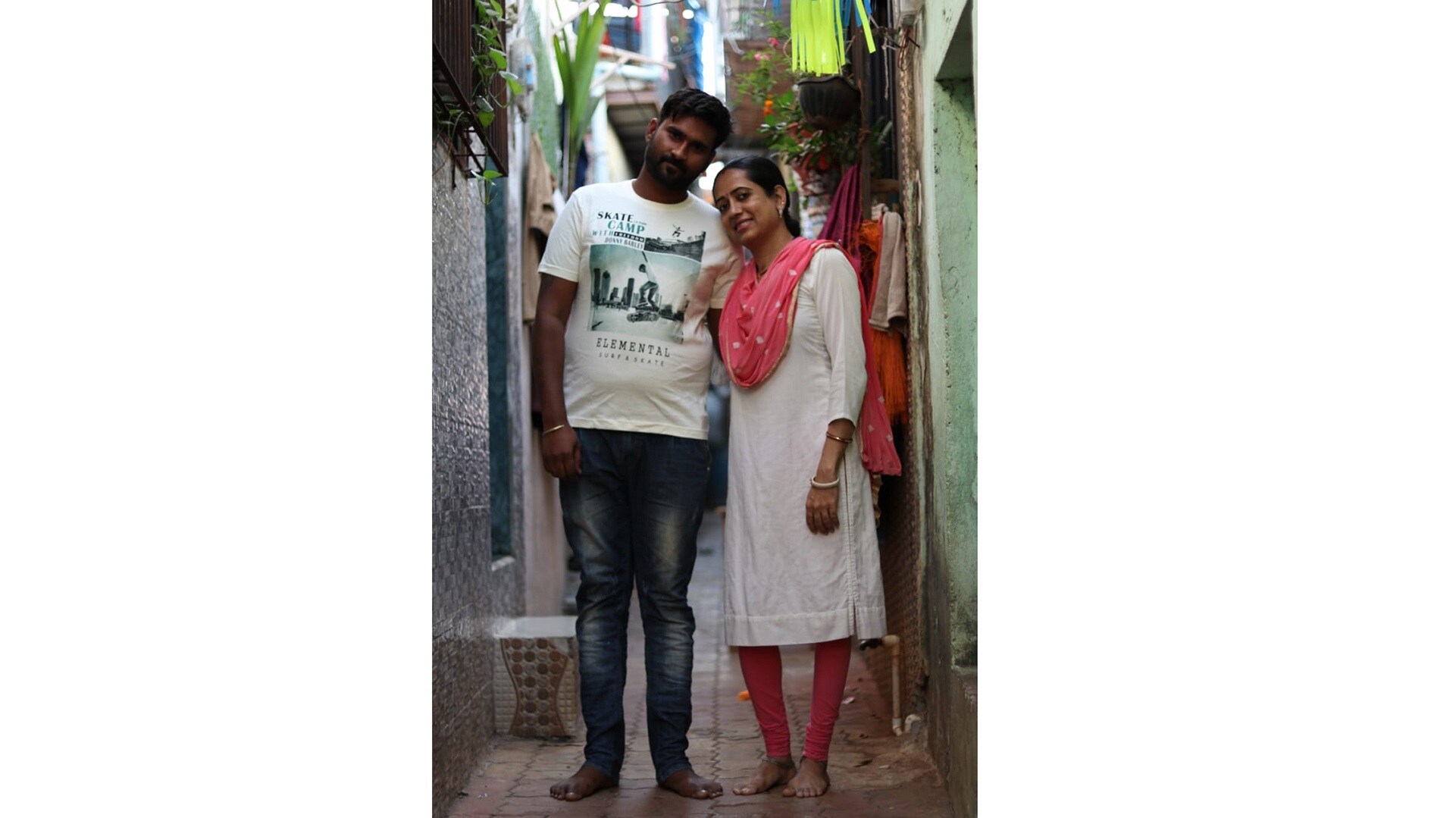 [/imgcenter]Madhuri Sarode and Jay Rajnath SharmaI met my husband on Facebook in 2014, and later we became really close friends. We soon decided to live together, and eventually on 28 December 2016, we married in a local temple. We later found out that we were the first couple to have an open marriage in India. Later, over the years, many other couples got married and it's a wonderful thing.I believe that to marry someone, we need not look at age, caste, religion or even gender. If you love someone, you shouldn’t have to face difficulties because you want to live with them. Now, with the decriminalisation of Section 377, it is even better.My husband always tells everyone: "I have loved Madhuri, not her gender; it doesn't matter to me." Right from early childhood, one almost never finds love — from one’s family, friends or society — in the transgender community. So receiving that love is really important. If there was love for the transgender community, I am sure one wouldn't find them on the road, asking for money to make ends meet.
With love comes a lot of positivity and the zeal to overcome life's hurdles. I have received love from my husband, his family and everyone else. I remember when we got married, people looked at us with a lot of ambiguity and suspicion. But today, not just my in-laws (the Sharma family) but their entire extended family and village have accepted me as their bahu (daughter-in-law).There's still a lot to do though, many battles to fight — for a marriage certificate, adoption rights etc. But I take all this in my stride; without struggles, there is no joy in finding success."[imgcenter]
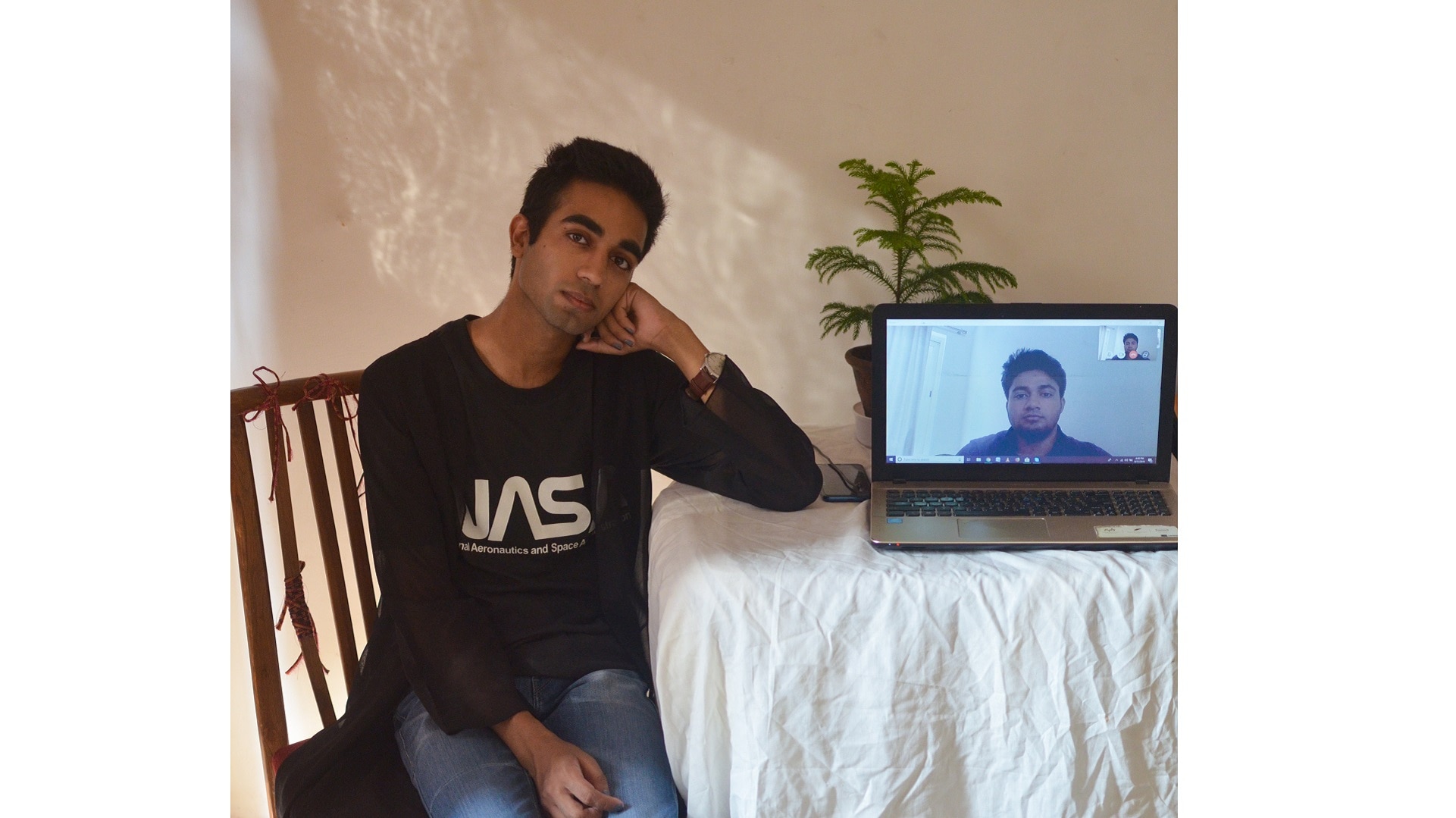 [/imgcenter]Garvit Nagpal and Mohammad Ayub Ali Photo courtesy Raqeeb Raza (@daintystrangerphotos)I met my partner about eight months ago; I was reading a book while travelling in a bus and I uploaded a story of it on Instagram. He is a reader and replied to that story – that’s when our conversation started... Gradually our conversations blossomed and we became closer. He had just come out of a relationship that lasted four months and was really clueless about starting something new. We called ourselves Tan 90° — a term in mathematics that means "not defined". We don't label ourselves as each other’s boyfriends or other cliches, we go with “partners”.He stays in Thane and I stay in Gurgaon. We never thought about getting together; we were just friends. I had heard that long-distance relationships are very sketchy and not long-lasting. We never had a problem with anything though.I'm an aviation blogger, so whenever he sees a plane, especially at night (he loves to see the blinking lights), he is reminded of me (cheesy teenage things, I know)... I paint, so one day I painted something and left an imprint of my hand behind the canvas on the wood. That was the first time I sent him something I had made.[imgcenter]
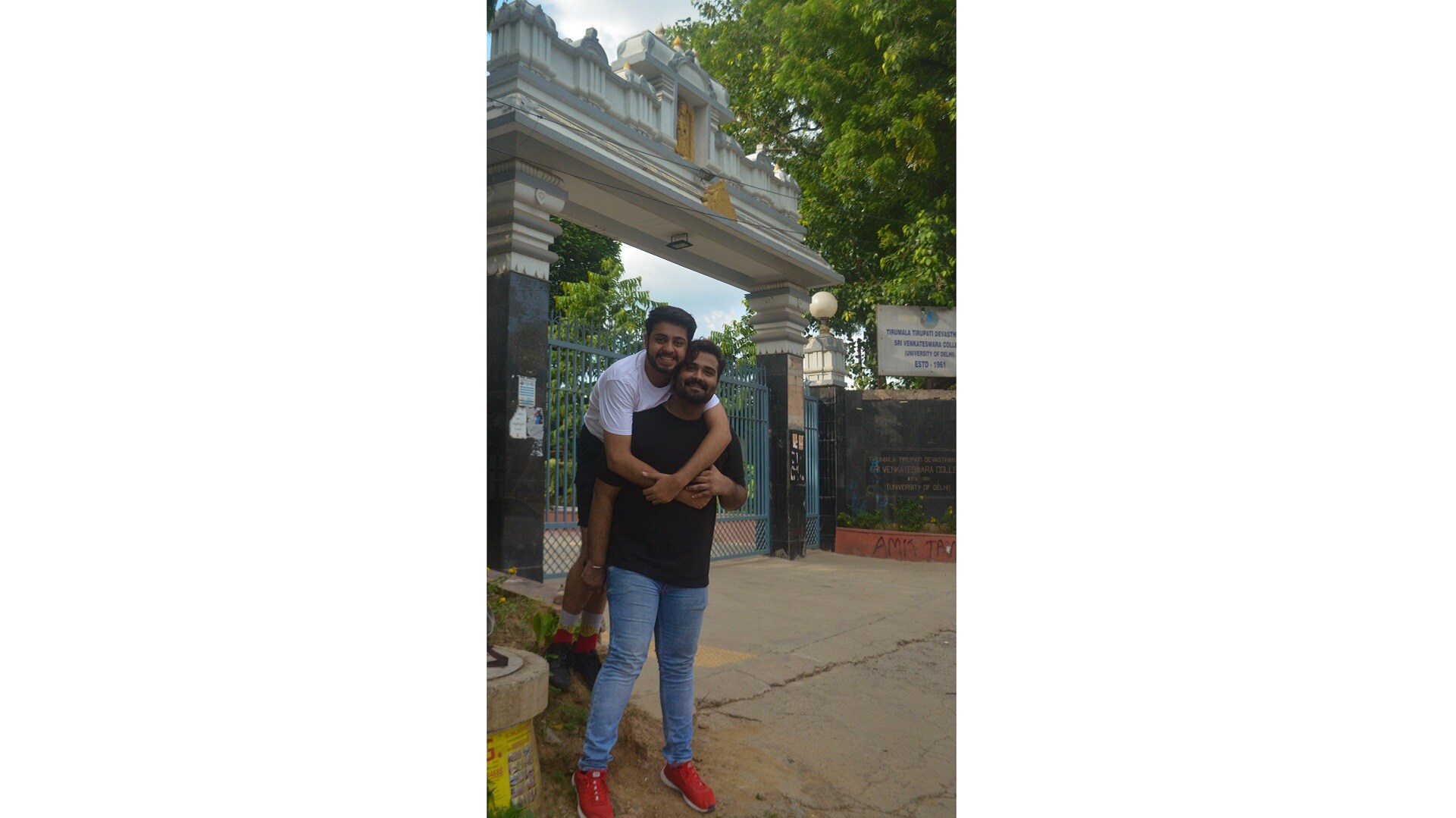 [/imgcenter]Reyansh Naarang and Jagjit Singh Photo courtesy: Raqeeb Raza (@daintystrangerphotos)I am 19-years-old and I like to be identified as non-binary and gay. I am a law student and programme consultant at Nazariya LGBT. My partner Jagjit (cis gay), aged 24, is a dentistry student. It took us a while, but we both developed a liking for each other.We think our relationship could be best described as considerate and affectionate. I love how I can be myself with him — proud of my identity and my activism. I think Juggs is the first guy I have ever met who reacts to my calling out of toxic behaviour patterns in a very constructive and healthy way, unlike most cis gay men I have known. We both push each other to be better people, and I love that about us. We are very different people, literally poles apart, although we do have our moments of affection.[imgcenter]
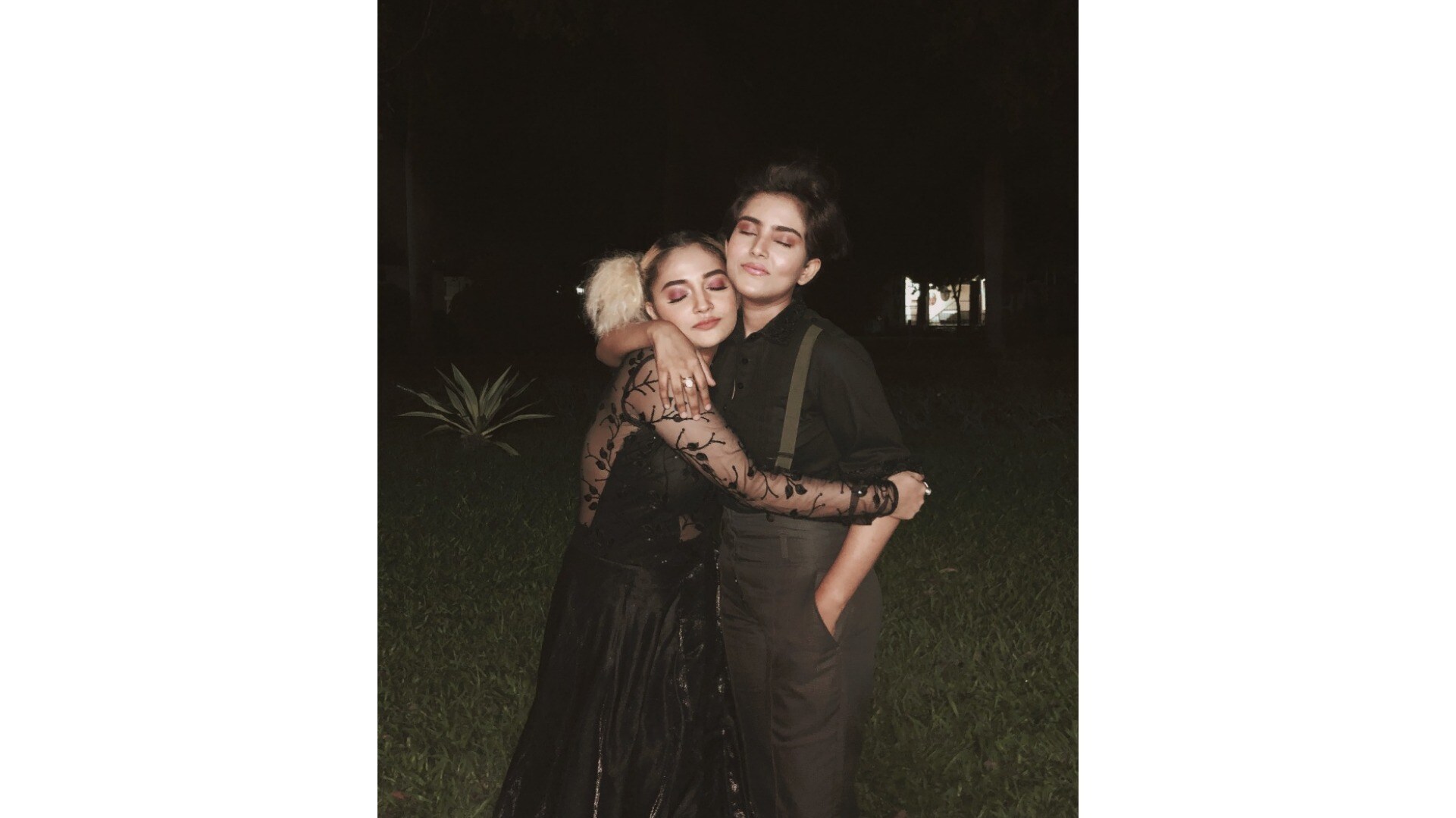 [/imgcenter]Neeta Basnet and Maitrayanee Mahanta Being queer in India is fraught with danger. And our story is no different. When we met each other for the first time, it was nothing like love at first sight. It was gradual and refined. There was a lot of doubt mixed with the idea of love. In a society like ours, love has been divided into the natural and unnatural kind.There are still millions hidden behind walls, trying to be free.[imgcenter]
 [/imgcenter]Anjali Chakra and Sundas Malik Photo courtesy Sarowar AhmedWhen we first started dating I used to let go of Sufi’s hand a few blocks before my office when she walked me to work because I was scared people would find out I was queer. Fast forward a year and we spent our anniversary [they married in July 2018] at my cousin’s wedding, where she met 50 members of my extended family who loved her!Sunalini Kumar is associate professor, School of Global Affairs, Ambedkar UniversityEditorial support and interviews by Suryasarathi Bhattacharya. Additional inputs by Anvisha Manral.Photos by special arrangement except where indicated otherwise
First Published:Aug 15, 2019, 10:20:04 IST
Advertisement
Advertisement

Off-centre | Vande Mataram: The mother that we adore
A meditation on the meaning of India as the country celebrates 77th independence Day
Of nature, culture and alcohol: A glimpse into Sikkim’s age-old brewing traditions
Most rural households across Sikkim have their own breweries, which are an integral part of the local culture.
Revisiting the Bollywood dream sequence: A tour of the world, and within
The Bollywood dream sequence helped stretch my imagination in a way that I believed the whole world was within me. This self-sufficiency helped me get through the physical setting I was in, from awkward social gatherings to the confines of my home during the pandemic.
Trams, part of Kolkata heritage, are little more than a nostalgia ride today
In recent years, hit by natural disasters and official neglect, the city’s tram system has become little more than a nostalgia ride, its passengers more often looking for a lark than an efficient trip home.
Online exhibition archives oral histories of the Kolis, degradation of Mumbai's coastal ecology
The online exhibition Through the Eyes of the Kolis uses their photos to highlights how Mumbai's ecology has been disturbed and how the fishermen community are adapting.
Advertisement
Advertisement