
Advertisement


Sections
The Indian Road network: What makes it so treacherous and unpredictable

5,472,144 kilometres! That is a massive number, and it indicates the length of roadways in India. The Indian roadways along with the Indian railways are the lifeline of the country. However, unlike the relatively stable rail network, the Indian roadways are quite unpredictable, and traffic accidents are to blame.According to a report published by the Transport Research wing under Ministry of Road Transport & Highways, India recorded at least 4,80,652 accidents in 2016, leading to 1,50,785 deaths. The number suggests that at least 413 people died every day in 1,317 road accidents.![shutterstock_510633088-min]() But what makes Indian roads prone to road traffic accidents? Who is to blame? Is it the people or the government? The answer, unfortunately, is both. Most people aren’t following the road rules and regulations and government has failed to enforce the law while failing to provide proper infrastructure.Let’s take a look at some of the things that make Indian roads unpredictable and accident prone.Dilapidated infrastructure
But what makes Indian roads prone to road traffic accidents? Who is to blame? Is it the people or the government? The answer, unfortunately, is both. Most people aren’t following the road rules and regulations and government has failed to enforce the law while failing to provide proper infrastructure.Let’s take a look at some of the things that make Indian roads unpredictable and accident prone.Dilapidated infrastructure ![shutterstock_608104244-min]() Poor infrastructure is India’s biggest socio-economic concern and a major cause of road traffic accidents. A lot of roads in India are riddled with potholes and return to the same state even after multiple repairs. According to data compiled by Ministry of Road Transport and Highways 10,876 people were killed due to potholes in 2015 but the real figure could be even higher.Road researchers have alleged that the guidelines for construction of speed breakers are not followed in India. According to the guidelines set by the government, the height of a speed breaker cannot exceed 10 centimetres. However, in most cases, speed breakers are up to 6-8 inches high. This jeopardizes the safety of motorists especially two-wheelers.Pedestrian Discipline
Poor infrastructure is India’s biggest socio-economic concern and a major cause of road traffic accidents. A lot of roads in India are riddled with potholes and return to the same state even after multiple repairs. According to data compiled by Ministry of Road Transport and Highways 10,876 people were killed due to potholes in 2015 but the real figure could be even higher.Road researchers have alleged that the guidelines for construction of speed breakers are not followed in India. According to the guidelines set by the government, the height of a speed breaker cannot exceed 10 centimetres. However, in most cases, speed breakers are up to 6-8 inches high. This jeopardizes the safety of motorists especially two-wheelers.Pedestrian Discipline ![shutterstock_336245537-min]() Pedestrian crossings are for people to cross the road when the traffic light turns green but this particular concept doesn’t seem to work in India. People either zigzag their way to the other side of the road in the middle of the traffic, attempt to cross before oncoming traffic or they are too distracted by their phones to notice their surroundings. Such risky behaviour can prove to be fatal.If pedestrians follow simple rules like walking on the sidewalk or waiting for the green signal to cross the road; can substantially improve road traffic safety.Dangerous driving
Pedestrian crossings are for people to cross the road when the traffic light turns green but this particular concept doesn’t seem to work in India. People either zigzag their way to the other side of the road in the middle of the traffic, attempt to cross before oncoming traffic or they are too distracted by their phones to notice their surroundings. Such risky behaviour can prove to be fatal.If pedestrians follow simple rules like walking on the sidewalk or waiting for the green signal to cross the road; can substantially improve road traffic safety.Dangerous driving ![shutterstock_232672318-min]() According to the Accidental Deaths and Suicides report of 2015 in India, around 75% accidental deaths occur due to over speeding and dangerous driving. Violations of rules — signal jumps, drunken driving and speeding are rampant in Indian cities and big metros.The share of fatal road accidents has increased phenomenally as Indian cities give more importance to high-speed roads for vehicles than ensuring safe access for all.All of these factors make Indian roads highly unpredictable and unsafe for both pedestrians and motorists. It is the responsibility of both the people and the government to make Indian roads a safe place by following and enforcing the road regulations properly. However, road traffic accidents can never be predicted.Being involved in a road traffic accident can be devastating for your loved ones both emotionally and financially. Hence, it is important that you get insured now with Kotak Life Insurance before later turns out to be late.This is a partnered post.
According to the Accidental Deaths and Suicides report of 2015 in India, around 75% accidental deaths occur due to over speeding and dangerous driving. Violations of rules — signal jumps, drunken driving and speeding are rampant in Indian cities and big metros.The share of fatal road accidents has increased phenomenally as Indian cities give more importance to high-speed roads for vehicles than ensuring safe access for all.All of these factors make Indian roads highly unpredictable and unsafe for both pedestrians and motorists. It is the responsibility of both the people and the government to make Indian roads a safe place by following and enforcing the road regulations properly. However, road traffic accidents can never be predicted.Being involved in a road traffic accident can be devastating for your loved ones both emotionally and financially. Hence, it is important that you get insured now with Kotak Life Insurance before later turns out to be late.This is a partnered post.
 But what makes Indian roads prone to road traffic accidents? Who is to blame? Is it the people or the government? The answer, unfortunately, is both. Most people aren’t following the road rules and regulations and government has failed to enforce the law while failing to provide proper infrastructure.Let’s take a look at some of the things that make Indian roads unpredictable and accident prone.Dilapidated infrastructure
 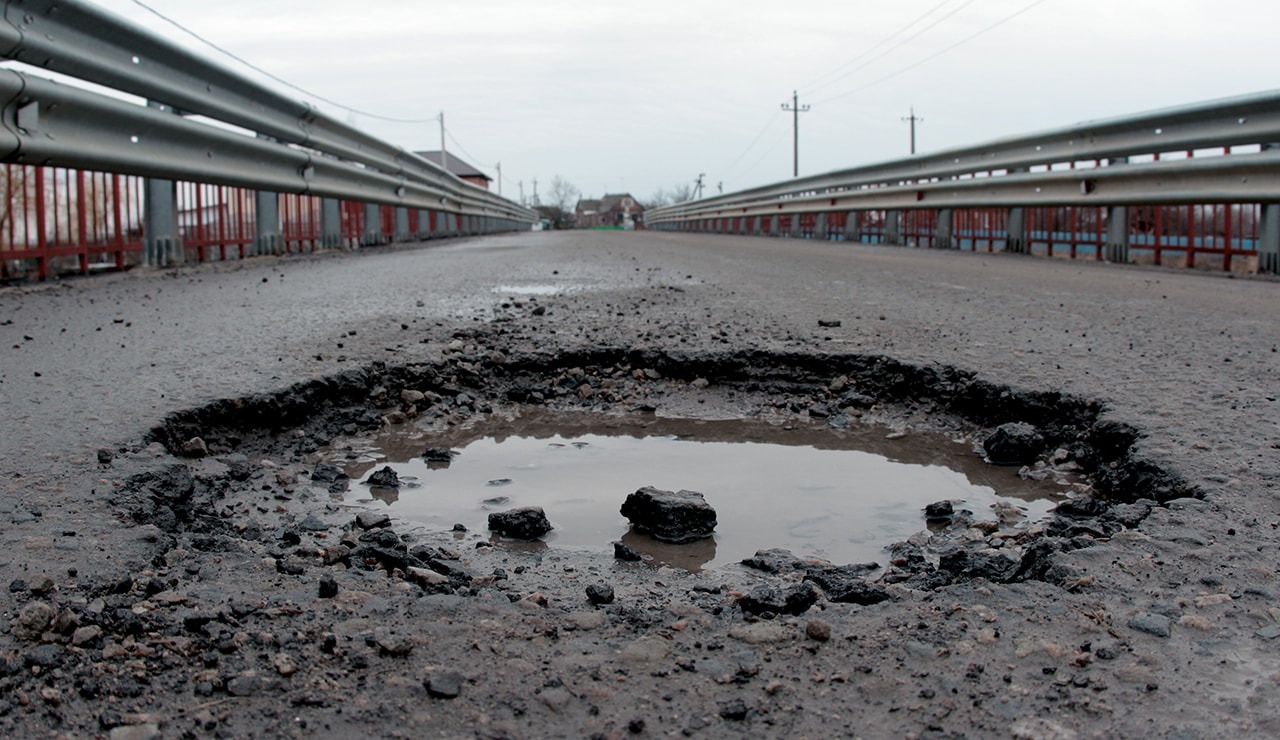 Poor infrastructure is India’s biggest socio-economic concern and a major cause of road traffic accidents. A lot of roads in India are riddled with potholes and return to the same state even after multiple repairs. According to data compiled by Ministry of Road Transport and Highways 10,876 people were killed due to potholes in 2015 but the real figure could be even higher.Road researchers have alleged that the guidelines for construction of speed breakers are not followed in India. According to the guidelines set by the government, the height of a speed breaker cannot exceed 10 centimetres. However, in most cases, speed breakers are up to 6-8 inches high. This jeopardizes the safety of motorists especially two-wheelers.Pedestrian Discipline
  Pedestrian crossings are for people to cross the road when the traffic light turns green but this particular concept doesn’t seem to work in India. People either zigzag their way to the other side of the road in the middle of the traffic, attempt to cross before oncoming traffic or they are too distracted by their phones to notice their surroundings. Such risky behaviour can prove to be fatal.If pedestrians follow simple rules like walking on the sidewalk or waiting for the green signal to cross the road; can substantially improve road traffic safety.Dangerous driving
 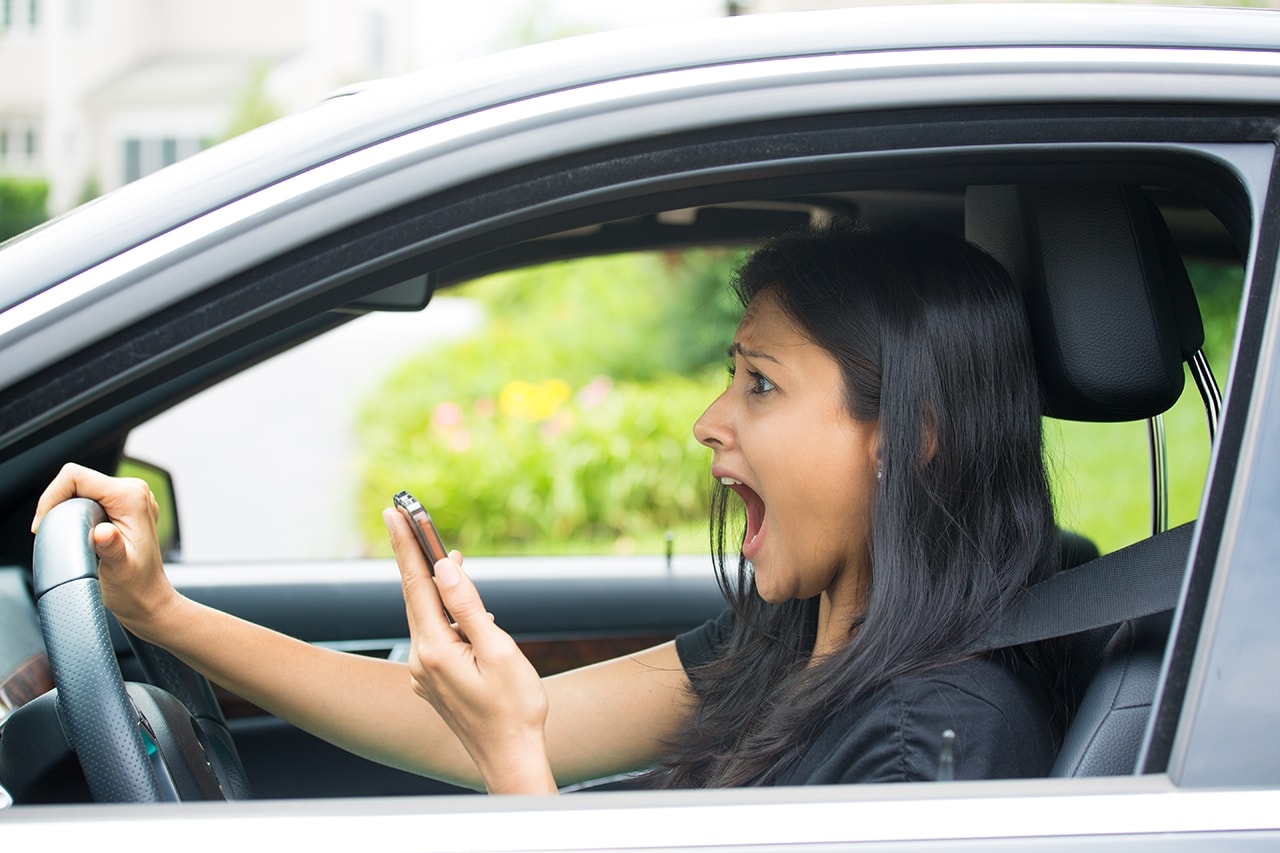 According to the Accidental Deaths and Suicides report of 2015 in India, around 75% accidental deaths occur due to over speeding and dangerous driving. Violations of rules — signal jumps, drunken driving and speeding are rampant in Indian cities and big metros.The share of fatal road accidents has increased phenomenally as Indian cities give more importance to high-speed roads for vehicles than ensuring safe access for all.All of these factors make Indian roads highly unpredictable and unsafe for both pedestrians and motorists. It is the responsibility of both the people and the government to make Indian roads a safe place by following and enforcing the road regulations properly. However, road traffic accidents can never be predicted.
First Published:Oct 10, 2017, 16:28:15 IST
Advertisement
Advertisement

Here's why you crave sweets after every meal: This one thing can fix it
It's common to crave something sweet after meals. However, what's often dismissed as "having a sweet tooth," is mostly nutritional deficiency
1 min read
India's most beloved national parks for wildlife lovers
India holds some of the world’s most wonderful wilderness spaces. Forests and jungles where myth, beauty and survival exist side by side. From mangroves that swallow rivers to grasslands shaped by centuries of migration, the country’s national parks offer more than sightings. They offer moments of stillness, surprise, and reverence.
1 min read
Even the Beckhams break: The rise of family estrangement
People are choosing to cut off contact with their families, prioritising mental health.
4 min read
European Council Chief has an OCI card: What is it?
The OCI Scheme, introduced in 2005, grants foreign nationals of Indian origin a life-long visa for India, but no political rights.
1 min read
The 90s show Friends, and why we misread modern friendships
We’ve all heard about the loneliness epidemic at this point. It isn’t even particularly shocking — it seems like the result on the obvious — people consistently glued to their phones, seeking intimacy and even sex through phone screens, consistent comparison to other peoples’ partners, and what their relationships look like, to how far everyone has come in their jobs — there is much to feel diminished about.
5 min read
Advertisement
Advertisement