
Advertisement


Sections
Dalit writing, global contexts: Loknath Yashwant marries poetry with rationalism in Broken Man
Simplicity is what muscles poet and acclaimed translator Loknath Yashwant’s poetry. His work stands out from Dalit poets of the past and present because he is able to process sentiment rationally. He became a household name because his poems offered wisdom and astonished the reader, allowing them to look and assess their own lives with a renewed vision.

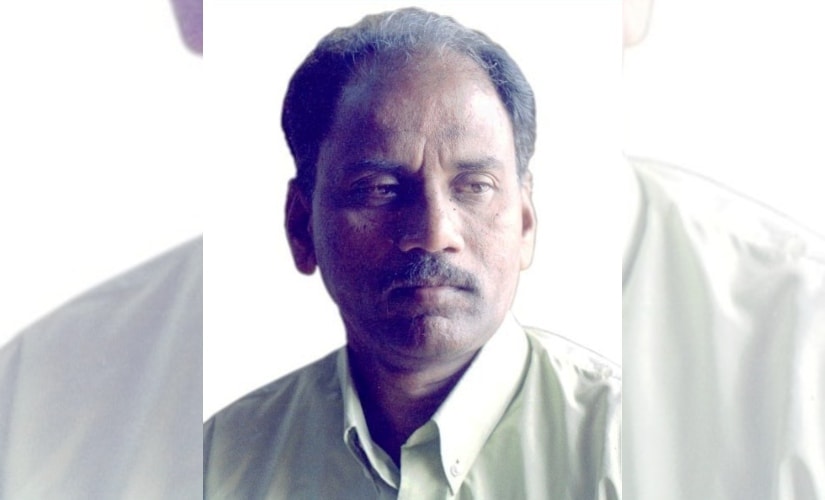 Yashwant hails from the Chandrapur district of Maharashtra. The son of a policeman, he worked in the state's electricity department as a clerk. But his mind was always enraptured by poetry. He often tells people that he is among the last to obtain a job through the artists’ quota.As he has elucidated in many articles and forewards to poetry collections of newer poets, he perceives caste as a structure that is unnatural and capable of destroying the humanity in people.Indian literature is littered with novels, biographies and short stories which have been adapted into movies, but one rarely hears of a poem that has been turned into a film. Yashwant is perhaps that rare poet whose poems have been adapted into short films and plays. Yet, the reach of his voice was restricted to Maharashtra because of the politics of translation that has fractured the Indian literary scene, and more specifically the growth and reach of Dalit literature.Though he has been writing for three decades, it was only in 2018 that his poems were translated into English and published as Broken Man: In Search of Homeland by Panther’s Paw Publication.Broken Man contains 69 poems, most of which were translated by Dr K Jamanadas as early as 2000. Some of them were written in the beginning of his career as a poet, while others are recent ones. The themes of these poems are inter-caste love, failures in leadership in the anti-caste movement, the appropriation of figures who fought against caste, and how technology and caste combined can affect human lives. He also points at caste as the root of insensitivity.
Yashwant’s work stands out from Dalit poets of the past and present because he is able to process sentiment rationally. When I sat down to write the foreward for this collection – an opportunity I was fortunate to have – I wondered about how logic won over emotions in his verses. I also noted that though the tone of the poems may sound skeptical, we must persist in reading them to know and acknowledge that there exists a reasoned, lucid brand of love in the minds of broken men in this country.I pointed this out during the launch of Broken Man in Nagpur in 2018. In response, he said, “When I decided to write poetry, I wanted to write my own poems. Poems that did not copy anyone else in terms of style or content. And when I took the decision to write poems, I only wrote poems – nothing else. I believe that as a writer, one has to stick to one form and make progress in it. This way, sooner or later, they will produce commendable work in that particular form. There are people who write short stories, poems, novels, essays and end up doing nothing substantial in either form.”One may not agree with his opinions, but it is hard to miss Yashwant’s conviction – and this is what he is: a poet of conviction who had developed a voice of his own.'The butcher loves me a lot True, great love That’s why He has placed me At the very end'
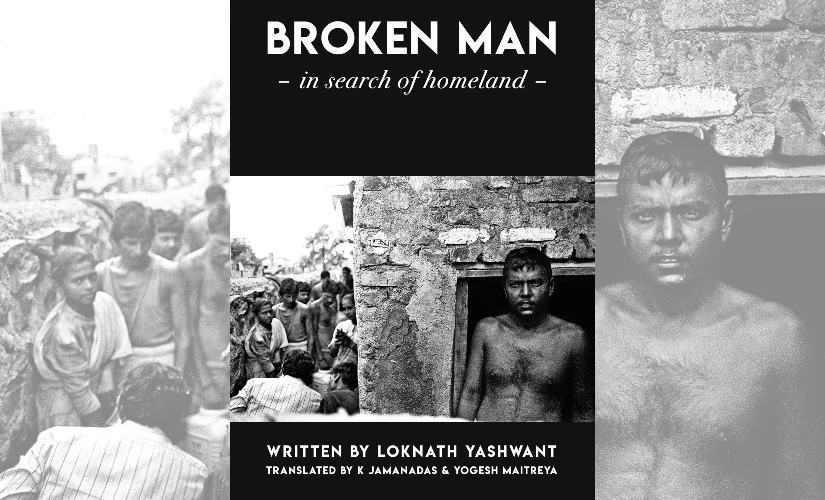 Lived experience allowed Loknath Yashwant to write about hunger in a manner that was both rational and capable of causing discomfort to the reader. He was also able to differentiate love from affection. He became a household name because his poems offered wisdom and astonished the reader, allowing them to look and assess their own lives with a renewed vision.My boss abandoned his parentsHe pets a dog at home Takes good care of him Even kisses him a lotThe dog is anxious though Why doesn’t my boss learn Some honesty from me?***Yogesh Maitreya is a poet, translator and founder of Panther's Paw Publication, an anti-caste publishing house. He is pursuing a PhD at the Tata Institute of Social Sciences, Mumbai.
First Published:Jul 10, 2019, 09:24:46 IST
Advertisement
Advertisement

Here's why you crave sweets after every meal: This one thing can fix it
It's common to crave something sweet after meals. However, what's often dismissed as "having a sweet tooth," is mostly nutritional deficiency
1 min read
India's most beloved national parks for wildlife lovers
India holds some of the world’s most wonderful wilderness spaces. Forests and jungles where myth, beauty and survival exist side by side. From mangroves that swallow rivers to grasslands shaped by centuries of migration, the country’s national parks offer more than sightings. They offer moments of stillness, surprise, and reverence.
1 min read
Even the Beckhams break: The rise of family estrangement
People are choosing to cut off contact with their families, prioritising mental health.
4 min read
European Council Chief has an OCI card: What is it?
The OCI Scheme, introduced in 2005, grants foreign nationals of Indian origin a life-long visa for India, but no political rights.
1 min read
The 90s show Friends, and why we misread modern friendships
We’ve all heard about the loneliness epidemic at this point. It isn’t even particularly shocking — it seems like the result on the obvious — people consistently glued to their phones, seeking intimacy and even sex through phone screens, consistent comparison to other peoples’ partners, and what their relationships look like, to how far everyone has come in their jobs — there is much to feel diminished about.
5 min read
Advertisement
Advertisement