


We have to help people understand bourbon is a whiskey, not a cookie: Maker’s Mark master distiller
As US bourbon sales cool, Maker’s Mark is banking on India’s cocktail boom and premiumisation wave for growth—but first it has to clear up a surprising confusion: that bourbon is whiskey, not a cookie.

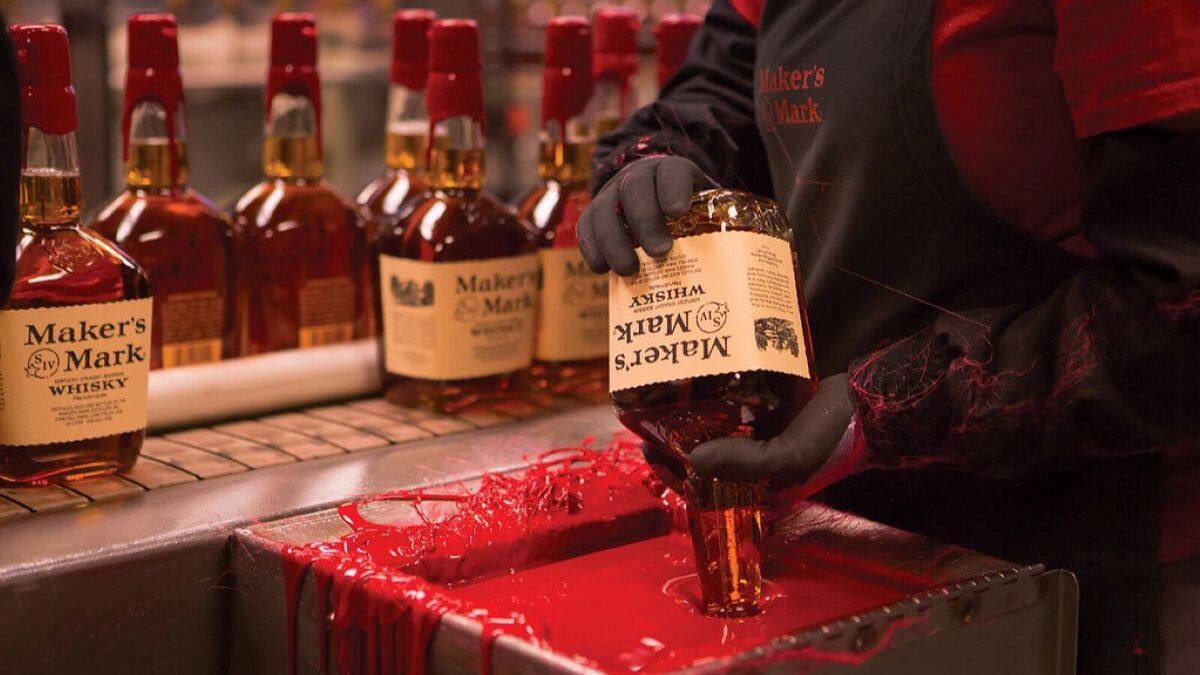
With US sales cooling, Maker’s Mark is among the several bourbon brands looking at markets such as India for future growth. Produced in Loretto, Kentucky, the easy-drinking wheated bourbon, distinguished by its hand-dipped red wax seal, was first introduced in 1958. The brand, now owned by Suntory Global Spirits, has been seeing considerable momentum in Australia and the UK, but India remains a different kettle of fish.
Maker’s Mark master distiller Dr Blake Layfield was recently in India. Firstpost spoke with him about favourable tailwinds for American whiskey in the country; busting misconceptions; and where bourbon is at in India right now.

Maker’s Mark has been in India for well over a decade, but bourbon has never really taken off here. What’s actually changed now?
 More from Lifestyle
A couple of things have transpired recently around the bourbon category. India has a booming cocktail culture, so naturally it’s a perfect entry point for us. It lets consumers discover bourbon’s versatility in a way they haven’t before. With import duties coming down, we’ve also had favourable tailwinds, so the barrier to entry is definitely lowering and that allows us to think about our presence here differently.
And education is still a big part of it. Most people are pretty new to bourbon, but since we are a wheated bourbon, we are in a unique niche within the bourbon category. We see that as an opportunity to lead that conversation on provenance and craftsmanship. It’s also been eye-opening just spending time here. I’ve learned that bourbon is also a type of cookie in India, so we have to make sure people understand this is a whiskey, not a cookie.
How fast is bourbon actually growing in India?
Bourbon exports to India are growing at an estimated 20 percent annually, but that’s the category broadly, not a Maker’s Mark-specific figure. It’s a small base, so a percentage like that has to be read in that context. I think about three kinds of core reasons why India is a priority.
There’s obviously the premiumisation wave, where consumers are moving from more to better and seeking authentic, heritage global spirits, and that’s exactly where we sit. There’s the versatility for the Indian palate: you can have it neat, on a large rock, or with sparkling water.
And there’s a younger, experimental consumer with a global mentality looking for alternatives to their traditional whisky. We don’t see India as an extra market to complement the US. It’s a core growth pillar, and we’re investing with real intent.
There’s a lot written about Gen Z drinking less than their parents. Do younger consumers in a market like India approach spirits differently from their US counterparts?
You’re seeing the trend shift all around the globe, and I’ve heard the debate go a couple of different ways. Some people are saying it’s structural, some say it’s cyclical. My opinion is that it’s both. People are still drinking, but they’re just drinking with more intent and purpose when they choose to. But there’s also real monetary pressure on younger generations, so I think some of those global headwinds around the economy are impacting us all. For both the Indian and the American consumer, when you choose bourbon it’s not just a drink, it’s an identity choice. We’re a generational brand and we’re not here for a quick spike in volumes.
Maker’s Mark is built around a wheated mash. How much does that actually shape the product and its appeal here?
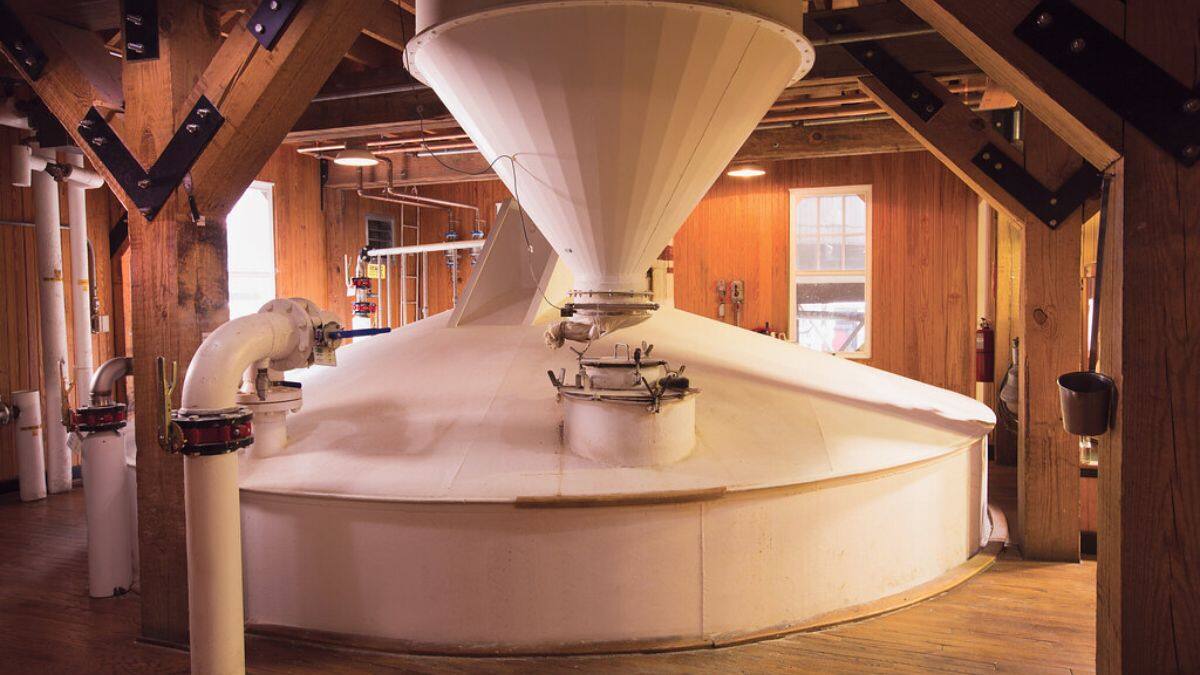
Unlike most traditional bourbons that are rye-heavy, we use a wheat-forward mash. That goes back to our founders’ vision; they wanted something warm, inviting, full-flavoured and complex, but that you don’t have to work to like. I see that as a useful bridge for the Indian consumer: if you drink scotch and want to explore American whiskey, it’s a premium experience without an intimidation factor.
What’s the misconception about bourbon you most want to correct?
The most common misconception people have is that older means better. It doesn’t, at least not for us. American whiskey, bourbon specifically, has to use virgin charred-oak casks, so the cask is really active. And over time, that cask can overtake the flavor profile and it can become quite tannic and astringent and bitter. People used to scotch see big age statements, but that’s a used cask and a very different climate.
Scotland is maybe 10 degrees Celsius year-round, while in Kentucky a barrel can sit anywhere from zero to 40 depending on the season and where it sits in the warehouse. So age gives context and dimension, but older isn’t automatically better. Maker’s Mark is a minimum of seven years, but that’s in context with the other choices we make.
You released Star Hill Farm last year, your first non-bourbon. Could India see it?
Anything’s possible in the future, but not as things stand. One thing I learned on this trip is that anything exceeding 49 percent alcohol by volume falls into a medicinal category in India. Star Hill Farm is bottled at cask strength. We enter the barrel at 55 percent ABV, so last year’s release came in well over that 49 percent threshold. So at the moment it’s not in scope for the Indian market. What we do have is Maker’s Mark 46, at 47 percent, and a ladder of other expressions that could work here over time.
The US bourbon market has cooled after a strong run. Does that change how you think about the whisky you make?
Not so much. We keep to our core principles. Within the US there’s been a slowdown after a strong run, yes. But internationally it’s a different picture. The UK and Australia are seeing double-digit momentum, and I see India as our next big frontier.

The Great Migration peaks in the Masai Mara: What’s happening right now in Kenya’s wildlife haven
Can AI tell you if your partner loves you?
Can jewellery ease stress? A doctor evaluates the anti-anxiety jewellery trend
10,000 steps a day is not enough: Top doctor explains the role of timing
What happens when you stop drinking tea for 30 days? Doctor explains the effects