


Is a post-Holi detox necessary or do you just need better gut awareness?
After festive indulgence during Holi, many people turn to detox diets in the hope of “resetting” their bodies. But experts say the idea of a quick cleanse may be more myth than necessity

After the colour, chaos and celebration of Holi comes a familiar ritual: the “post-Holi detox.” Social media fills with advice about cleansing juices, fasting routines and elaborate detox diets meant to “reset” the body after days of indulgence in sweets, fried snacks and festive drinks.
Firstpost spoke to Dr. Debojyoti Dhar, Co-founder and Director of BugSpeaks, to understand whether a post-festival detox is truly necessary or if people simply need to develop a better understanding of their gut health.
The human body is not a passive participant in detox diets
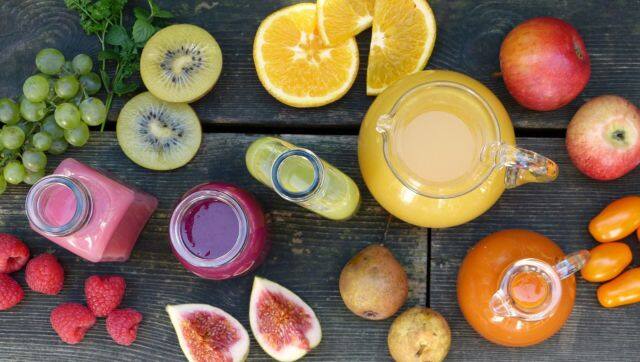
Juice cleanses, fasting protocols, herbal cleanses, and extreme diet resets are all sorts of detox options available.
According to Dr. Dhar, the general premise is this: festive eating generates toxins in the body, detoxification eliminates those toxins, and as a result, health is restored.
"However, the human body is not just a passive participant in these processes; it has an internal detoxification system. The liver, kidneys, gut and skin all work to rid the body of waste products from metabolism. Therefore, the true question is not whether or not you need to undergo a detoxification program; rather, it is whether or not your gut microbiome has been temporarily disrupted," adds the expert.
 More from Lifestyle
The festival effect on the gut

Dr. Dhar shares that festivals also typically feature higher consumption of sugar, refined carbohydrates, fried foods and irregular meal timings (due to the nature of these types of celebrations).
There may be an increase in alcohol consumption. There are often changes in sleep cycles. All of these things can create a disturbance in the gut microbiome.
"Short-term dietary excess can lead to decreased microbial diversity (microbial diversity refers to the variety of bacteria in your gut, which supports better digestion and immunity) and increased inflammatory responses," adds the doctor.
She further shares that "beneficial bacteria that depend on fibre-rich foods can be temporarily reduced. Symptoms including gas, bloating, fatigue and slow digestion may arise. This is not toxicity/poison. Rather, this is an imbalance."
Should you detox or simply rebalance?
Dr. Dhar explains "the body might get stressed by extreme detox regimens (drastic calorie reductions, juice cleansing, extended fasting) as it has reduced levels of fibre and removed major macronutrients. Extended fasting might also unravel the stability of the gut's barrier (when not medically supervised). The gut microbiome needs fibre and its nutrients, not starvation."
According to him, the resumption of a healthy state should occur without undue complexity, as there are simple approaches to achieving this goal: drinking plenty of fluids, eating whole foods, obtaining adequate amounts of fibre through vegetables (rich in fibre), consuming more fermented food products, getting enough sleep each night, and including physical activity throughout the day.
"These simple practices will help restore microbial diversity faster than any destructive, elimination-based methods will. Consistency, not punishment, will alter the way the gut reacts to these lifestyle changes," she shares with Firstpost.
Gut health awareness is important
People's response to holiday indulgence vary significantly from person to person. Some recover quickly. Others may continue to experience bloating, irregular stool patterns, fatigue, etc. These discrepancies between individuals may be caused by unique gut microbiomes.
"Each person has their own unique gut microbiome signature, which has a direct impact on their digestion, inflammation and the ability to recover metabolically," notes the expert.
He says that it is more useful to gain a better understanding of your own microbiome and the different ways that it interacts with your body and your foods than it is to follow the traditional "Detox or Cleanse" regimen / template.
"Having access to data for your unique gut microbiome membership and how it interacts with the various foods you have consumed, will allow you to transition from a reactive cleansing approach to using that data to make informed recalibrations to your body, resulting in a longer-term resilience," concludes the expert.
Anuj is a senior sub-editor (lifestyle desk) at Firstpost who covers food, travel, health, and fitness, mostly because they’re all excellent excuses to leave the house. Powered by coffee, he spends his downtime airplane-spotting and exploring spirituality, hoping one day to understand both turbulence and the universe.

10,000 steps a day is not enough: Top doctor explains the role of timing
What happens when you stop drinking tea for 30 days? Doctor explains the effects
Rakesh Roshan's fitness secret at 76: Strict diet, daily gym routine and cancer survivor's discipline inspire fans
Vozinha, Haaland lead fan-voted FIFA World Cup dream team
The Louvre's Apollo Gallery reopens nine months after $102 million jewel heist, without any jewels