


The oldest British Royal Family traditions — from ravens at the Tower of London to a French flag paid as rent
From a 13th century coin ceremony still observed every Easter to ravens maintained at the Tower of London by royal decree — eight of the oldest British Royal Family traditions, and the history behind each one.

The British monarchy is, among other things, an institution that runs on ritual. Coronations, swan counts, silver needles, hostages held in Buckingham Palace — some of what the Royal Family does regularly has been done, in more or less the same form, for centuries.
Here are the oldest traditions still actively observed, and the history behind each one.
The Ravens of the Tower of London (Since the 17th century)
Since the reign of Charles II in the 1600s, the Tower of London has always been home to no fewer than six raven guardians. The royal astronomer at the time complained that the Tower's ravens were interfering with his observatory work, prompting Charles to order their elimination: only to be warned that if the ravens left, a "great disaster" would befall the nation. He decreed that ravens should be kept at the Tower at all times.
 More from Lifestyle
During World War II, the number of resident ravens decreased to just one, and when the war ended, officials ordered their numbers be increased to six once again. Today, seven ravens reside at the Tower, living on a diet of raw meat and birdseed biscuits, and can be dismissed for misbehaving (one raven named George had his status revoked for eating television antennas).
The Ceremony of the Keys (Since the 14th century)
Every night at 9:53 pm, the Chief Yeoman Warder, accompanied by an escort of guardsmen, walks around the Tower of London securing all of the gates. When the Warder arrives at the Bloody Tower, a sentry asks "Who goes there?" and the exchange is identical every single night. Its longevity makes it one of the world's oldest military ceremonies.
Only once was there a delay: during World War II, a bomb fell near the Tower and knocked over the Warder and his escort. They were unharmed, continued with the ceremony, and sent a letter of apology to King George VI for the tardiness. He replied that a bombing was an acceptable excuse.
The Maundy service (Since the 13th century)
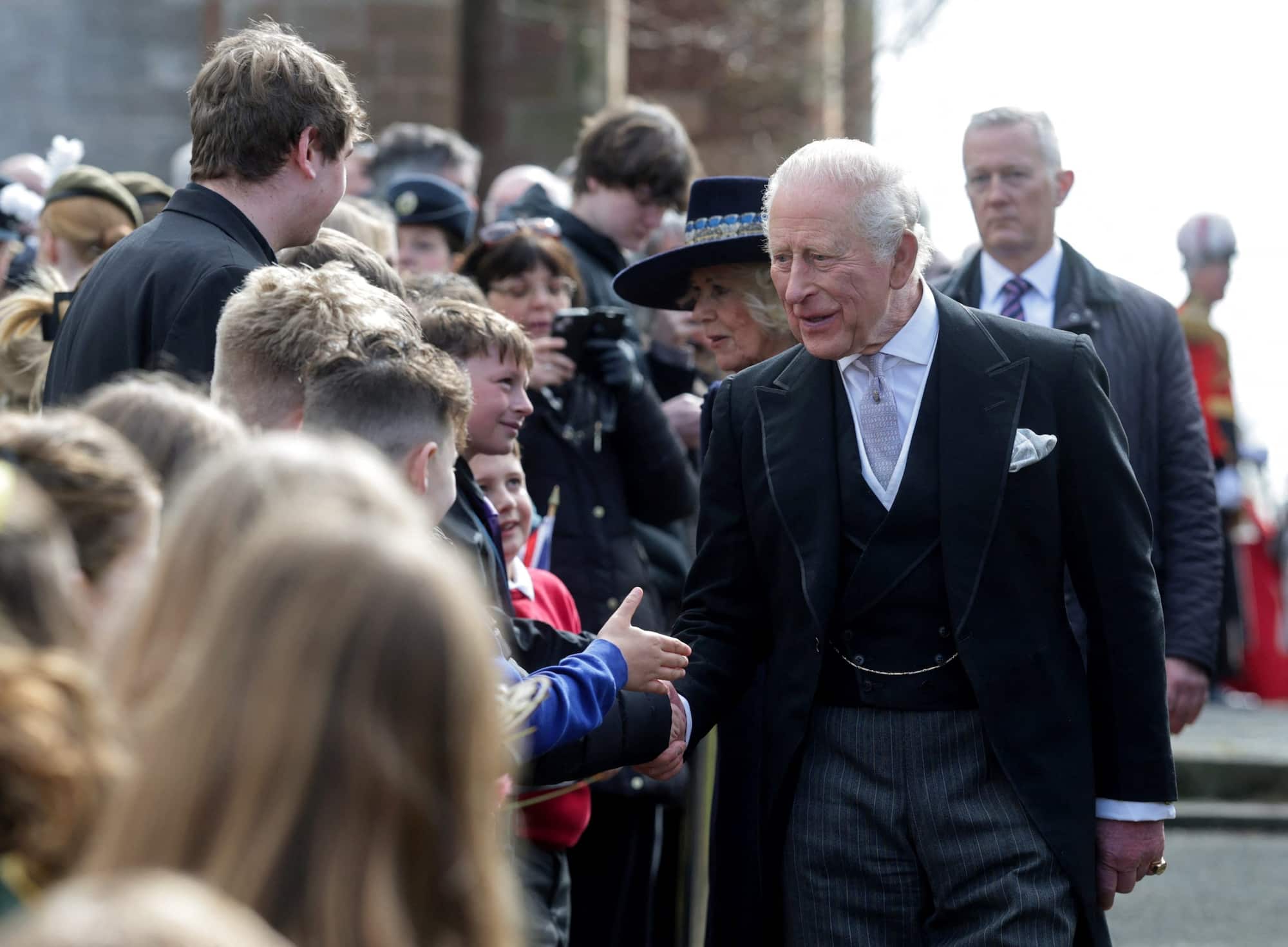
Every year on the Thursday before Easter, the monarch distributes small silver coins (known as Maundy money) to elderly recipients chosen for their service to the Church and their communities, with the number of recipients matching the sovereign's age. The number of recipients matches the sovereign's age: King Charles, at 74, presented 74 men and 74 women at his first Maundy service in 2023.
The ceremony dates to at least the 13th century, when English monarchs began washing the feet of the poor on Maundy Thursday in imitation of Christ washing the feet of his disciples at the Last Supper — the act from which the day takes its name, derived from the Latin mandatum, meaning "command." Foot-washing by the sovereign was discontinued around 1730; the distribution of specially minted silver coins, kept largely the same form since 1670, continues.
Swan Upping (Since the 12th century)
Since medieval times, the British monarch has had certain rights over the country's swans. As David Barber, who served as Queen Elizabeth II's swan marker, explained: "The king has the right to claim any swan swimming in open waters, unmarked, if he so wishes." An annual census of swans takes place on a stretch of the River Thames — a five-day journey upriver known as "swan upping," featuring a fleet of traditional rowing skiffs led by the swan marker. The royals once considered swans a delicacy, but swan upping is now focused on conservation and education.
The Parliamentary Hostage (Since the 17th century)
Back in the 17th century, King Charles I had a contentious relationship with Parliament and feared for his own safety every time he visited the legislative houses. He decided to take a hostage, held at Buckingham Palace as insurance until his safe return. The tradition has continued to the present day. Every year at the State Opening of Parliament, a government official — typically a senior MP — is held at the Palace as a symbolic guarantee of the monarch's safe return.
The Duke of Wellington's Rent (Since 1817)
Every year since 1817, the presiding Duke of Wellington pays a visit to the monarch to pay rent, but not in money. The tradition came about following Arthur Wellesley, the 1st Duke of Wellington's victory at the Battle of Waterloo in 1815, after which the Crown purchased a house in Hampshire for him. Eight Dukes later, the person holding the position still resides in Stratfield Saye House and, on June 18th of every year, commemorates the Waterloo victory by paying rent in the form of the tricolour flag of France.
The royal baby easel (Since the 17th century)
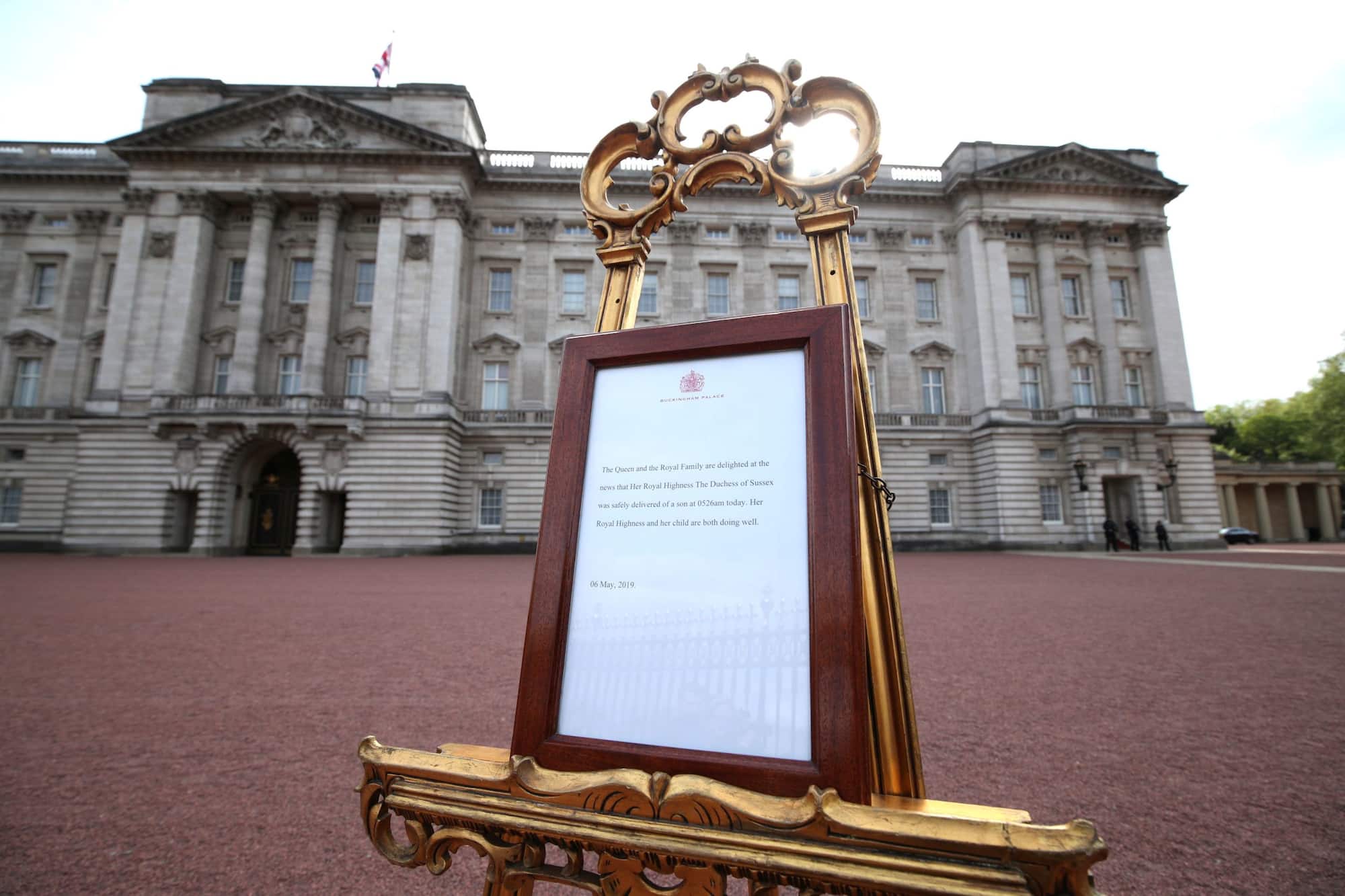
When a new royal baby is born, the official announcement is made by placing a signed notice in a wooden frame on a golden easel in the forecourt of Buckingham Palace — a tradition rooted in the centuries-old practice of publishing royal births in the London Gazette. The easel notice carries the attending physicians' signatures, the time and weight of the birth, and confirmation that mother and child are well. It has been observed for every senior royal birth, with William and Kate's children being the first to also receive simultaneous social media announcements alongside it.
The Christmas walk to Sandringham Church (Since 1870)
Every Christmas morning, the Royal Family walks from Sandringham House in Norfolk to St Mary Magdalene Church for the Christmas Day service, a ten-minute route that draws crowds of well-wishers from across the country and abroad. The tradition of spending Christmas at Sandringham dates to 1870, when the estate was taken over by the Prince of Wales, later King Edward VII, and was firmly established by Queen Elizabeth II, who spent 32 consecutive Christmases there. The walk to church is now one of the most photographed moments of the royal year.

Trade the hustle for the Shire: Inside the "hobbitmaxxing" trend
Spices, health and the Indian plate: Why chilli can be good for you—but moderation is still key
The right way to break up without feeling groggy
How Spider-Man actor Tom Holland has been on a sobriety journey of 4.5 years after being "addicted to alcohol"
Why Chennai is India's filter coffee capital, one tumbler at a time