


More bars, fewer survivors: Inside India’s cocktail boom
India's cocktail culture has never been more vibrant, with more than 100 bars opening in the last five years and entrepreneurs eyeing markets beyond the metros

Even as recently as a decade ago, a good cocktail bar was a rare species in India. One had to look long and hard to find one.
The situation could not be more different today. According to industry insiders, more than 100 bars have opened across the country over the last five years.
Since the beginning of this year alone, more than ten bars have opened in Mumbai, Delhi, Jaipur and Bengaluru. Nominations for the Best Bar category at the 2026 edition of the 30 Best Bars awards rose by around 40 per cent compared with last year.
The activity is not restricted to the metros. Entrepreneurs - many of them former bartenders - now have Guwahati, Shillong and Hyderabad on their radar. Karan Dhanelia, this year's Bartender of the Year at Diageo's World Class finals, hails from Indore, having beaten more than 800 entrants from across India, Sri Lanka and Nepal.
 More from Lifestyle
"There is a real boom, but social media has made it far more visible," says Vikram Achanta, co-founder of 30 Best Bars.
What is less visible, though, is how few of these bars will survive.
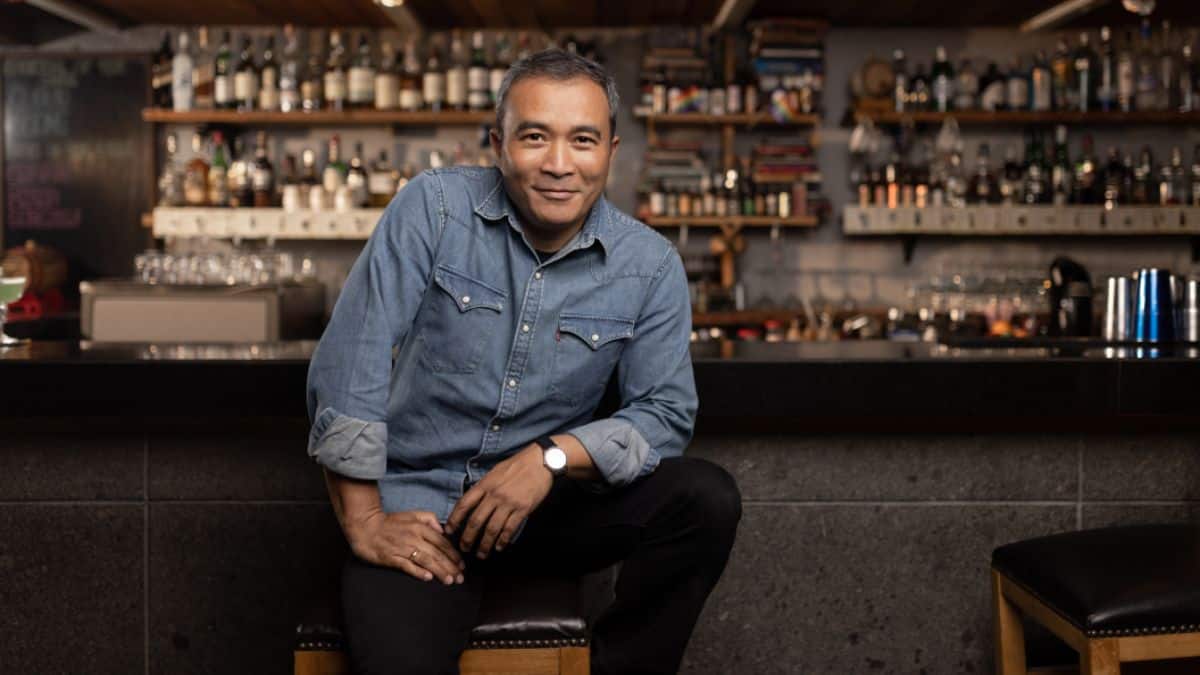
"The survival rate would not be more than 30 per cent, but that number moves with the market," says Yangdup Lama, widely regarded as one of India's most influential bartenders and co-owner of, among others, Sidecar in New Delhi.
"The survival rate would have been better post-Covid, when you had many bars mushrooming and consumers were going out and spending more. It depends on the sentiment."
Others put the figure even lower.
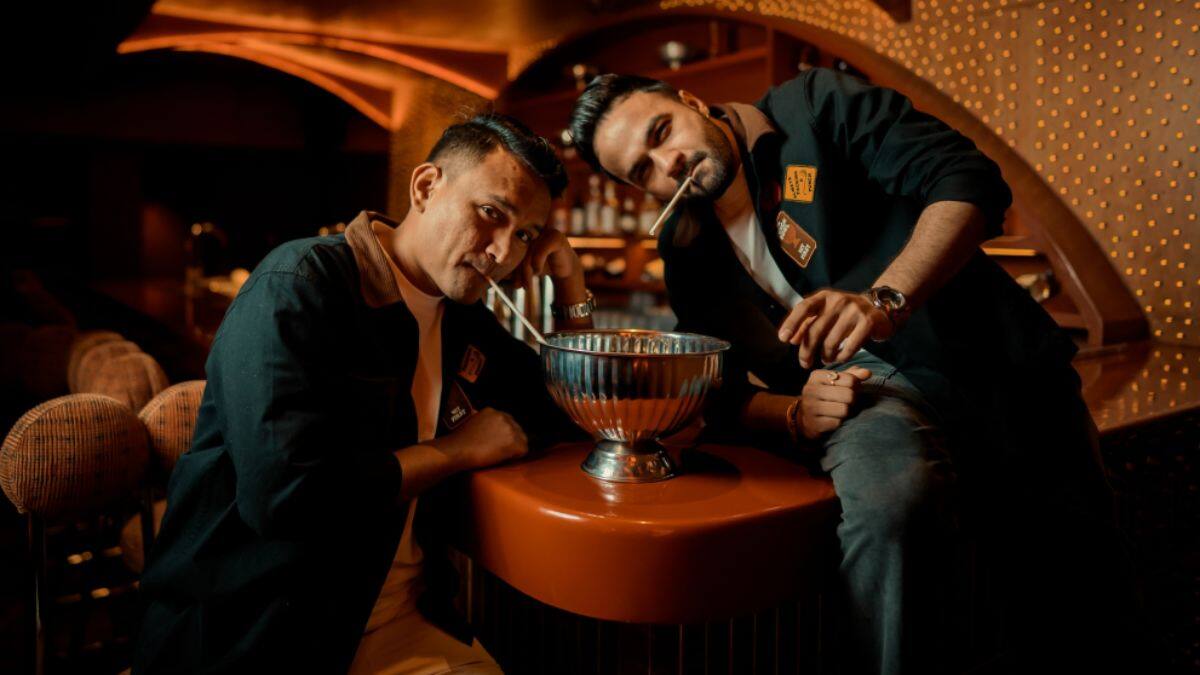
"Out of 100 bars, maybe eight survive," says Jeet Rana, co-founder of the popular Barbet & Pals in Greater Kailash, Delhi, and Punch Line in Bandra, Mumbai.
The price of entry
Behind the theatricalities of dim lighting and exquisite glassware, the business of bars is a brutal one.
Among the more recent high-profile closures is PVR Home, a much-feted bar at Ambience Mall in Vasant Kunj, Delhi. Home, which was run by mixologist Santanu Chanda, shut down last month amid restructuring at India's largest multiplex cinema chain operator.
Opening a bar in any of India's metros can cost anywhere between Rs 3 crore and Rs 10 crore, depending on location and scale.
"In Mumbai, the official licence may cost around Rs 11 lakh, but by the time you factor in all approvals, that figure can go up three to four times," says bar consultant Shatbhi Basu.
Interiors and fit-outs add anywhere from Rs 50 lakh to Rs 2 crore or more.
"Most bars survive the first year because of the buzz and novelty. The real struggle starts in year two," says Basu.
The licensing regime varies widely by city. In Delhi, it costs between Rs 12 lakh and Rs 20 lakh. Gurgaon charges about Rs 25 lakh, while in Hyderabad it can cost a whopping Rs 55 lakh. Bengaluru, on the other hand, has stopped issuing fresh licences, forcing new entrants to lease existing ones.
While acquiring licences has become easier over the years, at least in Delhi and Gurgaon, margins are getting compressed, says Lama, whose Cocktails & Dreams, Speakeasy opened in Gurgaon in 2012.
"Wages were low earlier. Now, if you want good talent, you have to pay for it," he says.
"Earlier, I would say, keep salaries within 12 to 15 per cent of revenue. But now I'm looking at 20 per cent. Rent, keep it within 15 per cent if you can. But to keep those ratios in check, you have to hit your numbers consistently."
He adds that Indian operators may increasingly have to contend with cost structures closer to Western markets, where total payouts can rise to 30 per cent or more of revenue.
Waiting for the weekend
At most bars across the country, the average bill now ranges between Rs 2,000 and Rs 2,500 per head with alcohol.
With cocktails priced anywhere between Rs 800 and Rs 1,500, and affluent Gen Z and young millennial patrons showing an affinity for top-shelf spirits, especially tequila, the business looks attractive.
In most cases, it is not.
While more people are warming up to the idea of a quick stop at a bar on weekdays, demand for most spaces remains heavily skewed towards weekends. That asymmetry is even sharper when you have just opened.
"That culture of weekday drinking has not fully arrived yet," says Sasha Tasgaonkar, founder of Houdini, which opened in Mumbai's Lower Parel late last year.
"Weekdays tend to be lighter beer rather than cocktails, which makes it harder to drive the same numbers."
Lama points to another constraint, one that is becoming increasingly visible across India's metros.
"You are not getting people from outside your immediate catchment," he says.
"In Delhi, for instance, most people who come to a bar in GK are from nearby areas. They don't want to commute."
Not surprisingly, operators are rethinking the model. For now, the answer appears to be smaller formats.
Smaller, more local
Lama cites the example of Soka, an intimate cocktail bar in Bengaluru.
"They're a 38-seater, but they run two sessions a day. That gives them about 70 to 80 covers daily, which translates into strong numbers."
Lama's own upcoming bar in Hyderabad will be a 75-seater, "which is small by the city's standards".
Rana's Barbet & Pals is itself a 38-seater, with The Cavity - a nine-seat, reservation-only bar within the same premises - literally a bar within a bar.
His recently opened Punch Line is a 60-cover bar, and Rana expects around 150 guests over a weekend across two-and-a-half seatings, with an average spend of ₹4,500 per head.
Bars will also have to become more local and more differentiated.
"Earlier, you could copy a concept and still make money," says Lama.
"Now, the moment it's copy-paste, it's short-lived. Consumers have become much smarter."
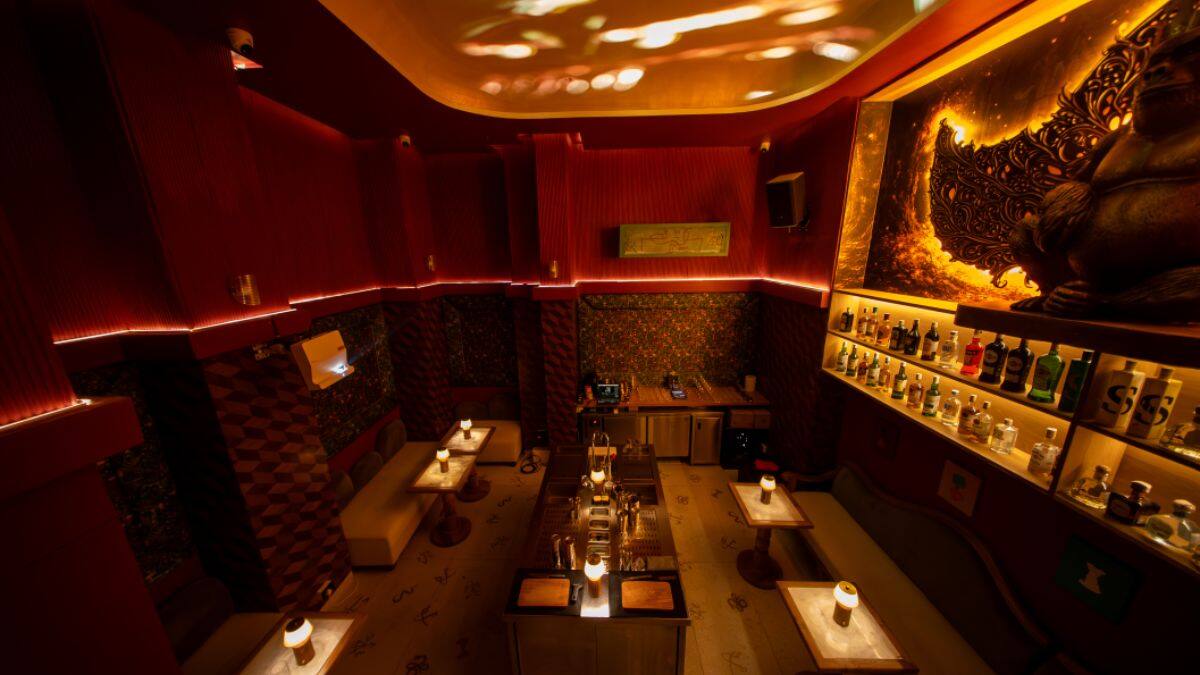
The smaller-format philosophy appears to be gaining ground, with bars such as Pratik Gaba's Adam & Eve, which opened in late May in Khar, Mumbai.
The reservations-only micro-bar, located in the basement of the building that houses Gaba's restaurant HOM, seats just 25, features about 10 cocktails, and serves food from the kitchen upstairs.
Even getting everything right is no guarantee
Hospitality veteran Tarun Sibal has had several successes under his belt, including Khi Khi in Delhi and Titlie in Goa, but he still speaks longingly about the one that did not work out.
Sibal's Barfly, an agave-speciality bar housed in a 150-year-old villa in Goa, shut down in early 2025 after a 20-month run.
"We wanted to create a masterpiece. It was a super-luxury product, took us two years, and our capex went through the roof."
Looking back, he believes it may not have been the right product for Goa at the time.
"Our Espresso Martinis were made with Grey Goose. If you understood the product, you were getting the best value for money."
"But that's the thing - you could have done everything right and still wouldn't have made it click."
He pauses before summing up the business in a sentence.
"This is an extremely gruesome industry. We might fail miserably, but we end up doing the same thing again."

10,000 steps a day is not enough: Top doctor explains the role of timing
What happens when you stop drinking tea for 30 days? Doctor explains the effects
Rakesh Roshan's fitness secret at 76: Strict diet, daily gym routine and cancer survivor's discipline inspire fans
Vozinha, Haaland lead fan-voted FIFA World Cup dream team
The Louvre's Apollo Gallery reopens nine months after $102 million jewel heist, without any jewels