


Heatwave in Europe: Protect your summer holiday plans as major cities issue red alert
With temperatures soaring across parts of Europe and several cities issuing heat alerts, travellers may need to rethink sightseeing schedules and outdoor activities. Here's how to stay safe and make the most of your trip.

If you've already booked your European summer holiday and are dreaming of sunny café afternoons, it may be time to rethink your plans. Extreme heat across parts of the continent could mean adjusting both your itinerary and your expectations.
A massive "heat dome" driven by an African anticyclone has trapped hot Saharan air right across continental Europe. Instead of a pleasant summer breeze, travellers are stepping into a furnace, with temperatures threatening to shatter records across the continent.
But don't panic or cancel your flights just yet. While the weather is intense, your holiday doesn't have to be a washout. With a few smart adjustments and an understanding of the local rules, you can still have an incredible—and safe—summer getaway.
The cities on red alert
The first step to managing a heatwave vacation is knowing exactly what you are walking into. Right now, major tourist hotspots are triggering maximum weather warnings.
 More from Lifestyle
Over half of France is currently under a strict "red heat" warning. If your plans involve tasting wine in Bordeaux, prepare yourself for a blistering 42°C (107.6°F). Even the standard tourist routines are shifting, with some local schools closing and cities adapting to the extreme climate.
Meanwhile, Spain is bracing for a truly punishing week with temperatures predicted to climb as high as 44°C (111.2°F). The northern Basque Country is sitting on a maximum red alert, while 13 of Spain’s 17 regions remain on orange alert.
Even destinations traditionally known for milder summers aren't escaping the dome. The United Kingdom is preparing for unusual highs of up to 38°C (100.4°F), while Italy, Germany, Belgium, and Portugal are all experiencing sweeping heatwaves.
Unexpected rules in the heat
When European cities get this hot, local authorities introduce temporary measures to keep the public safe and city resources running. As a traveller, failing to know these rules can land you a hefty fine.
If you are planning to cool off at France’s famous beach resorts, such as Narbonne, Deauville, Arcachon, or Les Sables-d'Olonne, you'll need to remember to cover up when you leave the sand. Clamping down on shirtlessness in public areas away from the beach has become a priority for local police, and walking into town without a top on can cost you up to €150 in fines.
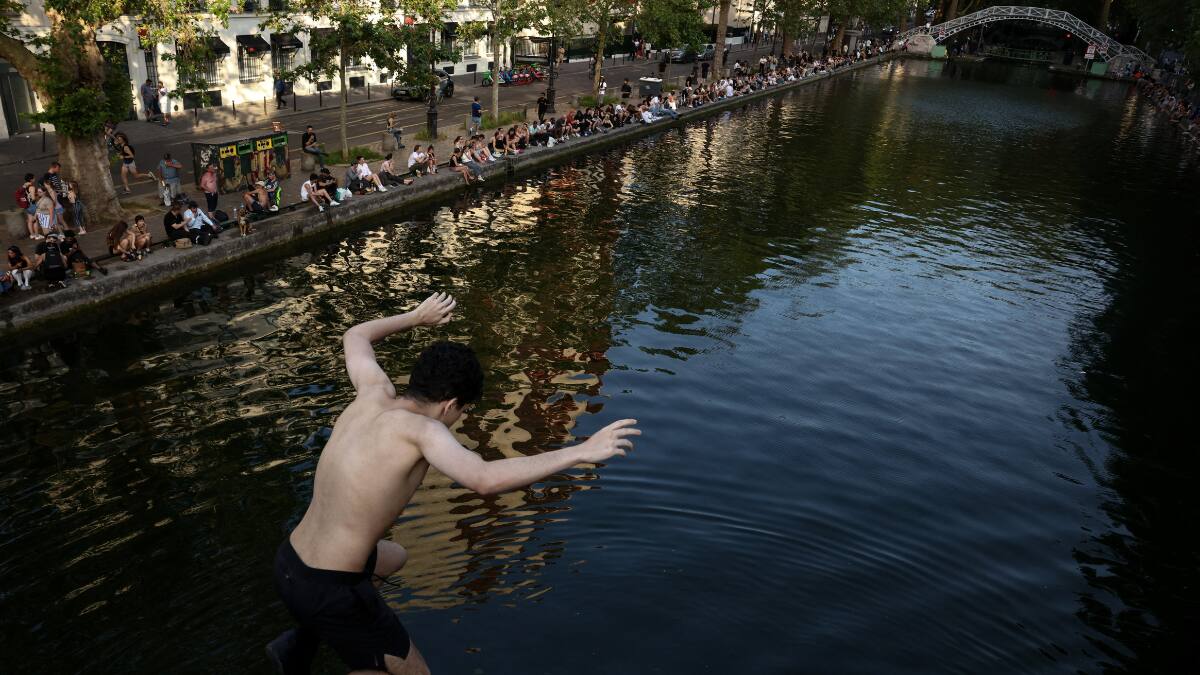
Furthermore, major public gatherings are being modified to ensure public health. In Paris, authorities even implemented temporary bans on alcohol consumption during major outdoor events like the Fête de la Musique to prevent dehydration-related medical emergencies.
Shifting to "slow travel"
With a red-alert heatwave in place, the usual sunrise-to-sunset sightseeing routine may not be realistic. To survive and enjoy your trip, follow the locals' lead: slow down during the hottest hours and embrace the midday siesta.
The sun is at its most punishing between 11:00 AM and 6:00 PM. Instead of trekking up to outdoor monuments or waiting in long lines under the midday glare, use these hours to duck into heavily air-conditioned world-class museums, enjoy a long, lingering lunch inside a shaded bistro, or head back to your hotel for a rest. Save your walking tours, outdoor exploring, and patio dining for the balmy European evenings when the air finally begins to cool.
Keep a reusable water bottle with you at all times, apply high-SPF sunscreen generously before you step outside, and swap out tight clothing for loose, light-colored fabrics.
Travel during a heatwave requires a bit of flexibility, but by slowing your pace and adjusting your schedule, you can still experience the magic of a European summer without the burn.

The Great Migration peaks in the Masai Mara: What’s happening right now in Kenya’s wildlife haven
Can AI tell you if your partner loves you?
Can jewellery ease stress? A doctor evaluates the anti-anxiety jewellery trend
10,000 steps a day is not enough: Top doctor explains the role of timing
What happens when you stop drinking tea for 30 days? Doctor explains the effects