


Évian-les-Bains, the G7 Summit 2026 host city, is also one of Europe's most popular spa destinations
Hosting the G7 Summit this week, Évian-les-Bains built its reputation on Evian water, mineral springs, grand hotels and a long history as a retreat for Europe's elite

Nestled between Lake Geneva and the French Alps, Évian-les-Bains is back in the global spotlight as leaders gather there for the G7 Summit. As French President Emmanuel Macron hosts heads of state from some of the world's largest economies, the quiet resort town has once again become the setting for high-level diplomacy.
However, Évian's connection to international visitors goes back much further. For more than two centuries, people have travelled here for its mineral springs, spa culture and lakeside setting. During the late 19th and early 20th centuries, the town became a popular destination among European royalty, aristocrats, artists and wealthy travellers seeking rest and treatment at its thermal baths.
 More from Lifestyle
If the summit has put Évian-les-Bains on your radar, here is how a small Alpine town became one of France's best-known resort destinations.
From a mineral spring to a world-famous name
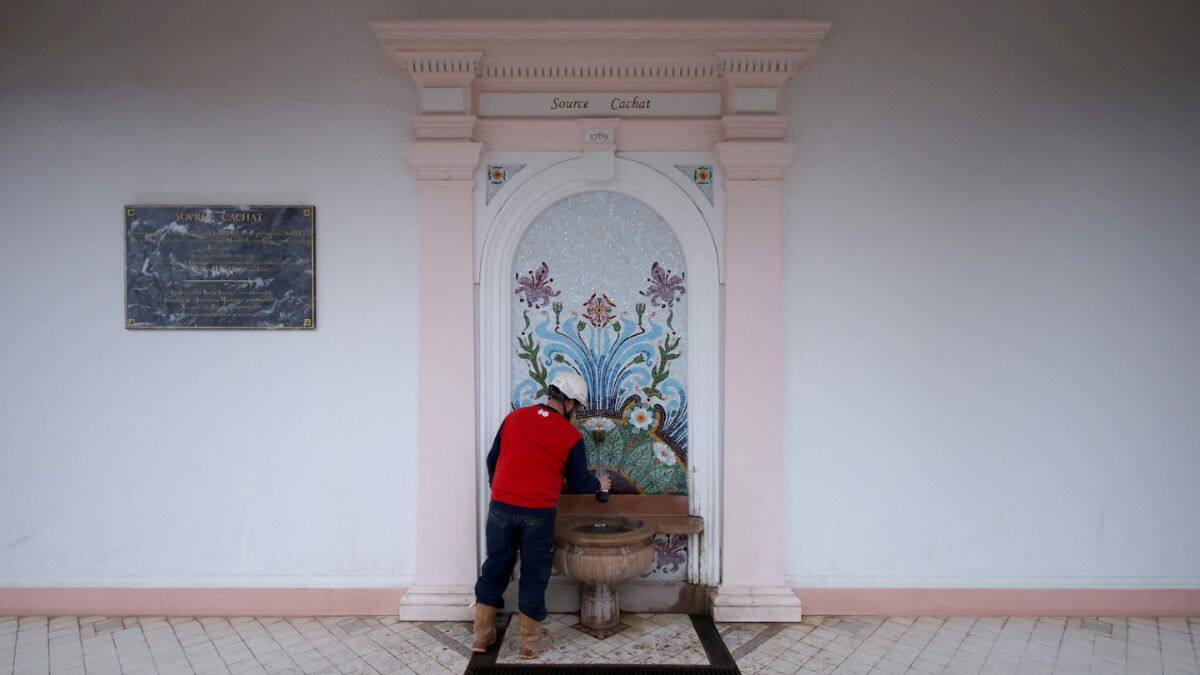
According to local history, the town's rise started in 1789 when the Marquis de Lessert, a French nobleman, regularly drank from a spring on the property of Gabriel Cachat, a resident. Reports that the water improved his health helped attract attention to the spring and encouraged further medical study.
Over the following decades, doctors and researchers examined the water's mineral composition. As interest grew, visitors began arriving in greater numbers, turning the lakeside settlement into a centre for spa tourism. In 1864, the town officially adopted the name Évian-les-Bains, meaning "Évian-the-Baths", reflecting its growing reputation for "wellness tourism" even before the term existed.
During the glittering Belle Époque era, between the late 1800s and the First World War, grand hotels, bathhouses, casinos and lakeside promenades were built to accommodate visitors from across the continent.
A dazzling array of guests frequented the town, from King Edward VII and George V of the United Kingdom to the Maharaja of Kapurthala, the Aga Khan, and the legendary novelist Marcel Proust.
Today, the town's name remains closely linked to the bottled water sold around the world, whose fans have reportedly included everyone from celebrities to athletes such as Virat Kohli.
What to see in Évian-les-Bains
Cachat Spring and the Buvette Cachat
The source of Évian's fame remains one of its most visited landmarks. Visitors can still walk up to the ornate, glass-domed Art Nouveau pavilion at the Buvette Cachat and fill their own bottles directly from the mountain spring for free.
Palais Lumière
Originally built as a thermal spa complex in the early 20th century, the Palais Lumière now serves as a cultural centre and exhibition space. Its architecture reflects the period when Évian was at the height of its popularity among European travellers.
Lake Geneva promenade
The waterfront promenade is one of the town's defining features. Walking along the lakeside offers views across Lake Geneva towards Switzerland, with the Alps providing a dramatic backdrop. It leads past the Casino d’Évian, a Byzantine-inspired structure operating since 1911, built specifically to keep the town's aristocratic visitors entertained after dark.
Historic villas and hotels
Many of the buildings constructed during Évian's boom years still stand today. Grand hotels, elegant villas and public buildings offer a glimpse into the town's past as a destination for Europe's elite.
Best things to do in Évian-les-Bains
Experience the town's spa culture
Thermal baths helped build Évian's reputation, and wellness remains an important part of the local economy. Several hotels and spa centres continue to offer treatments inspired by the town's mineral-water heritage.
Take a ferry across Lake Geneva
Regular passenger ferries cross Lake Geneva to the Swiss city of Lausanne in just 35 minutes, allowing travellers to experience the same cross-border lake excursions that 19th-century socialites enjoyed.
Visit the Evian Resort Golf Club
The Evian Resort Golf Club, dating back to 1904, features an immaculate hillside course overlooking the lake. It is famed for hosting the Amundi Evian Championship, a major championship in women's professional golf.
Explore the Haute-Savoie region
Évian also serves as a base for exploring nearby mountain villages, hiking trails and Alpine landscapes in eastern France.
When is the best time to visit?
Most visitors arrive between May and September, when temperatures are mild and outdoor attractions are fully accessible. Summer brings lively waterfronts and longer days, while spring and autumn tend to be quieter.
Winter offers a different experience, with nearby Alpine destinations attracting skiers and snow enthusiasts.
How to get to Évian-les-Bains
The nearest international gateway is Geneva Airport in Switzerland, located roughly an hour from the town.
Travellers can reach Évian by train, road or ferry. One of the most scenic routes is the passenger ferry from Lausanne, which crosses Lake Geneva in less than an hour.
A legacy of global gatherings
The G7 Summit is not the first major event associated with Évian. The town has hosted important international meetings in the past, including the 1938 Évian Conference and discussions linked to the 1962 Évian Accords, which helped bring an end to the Algerian War.
This history helps explain why a town of fewer than 10,000 residents continues to attract international attention. Beyond the summit headlines, Évian-les-Bains remains a destination shaped by its mineral springs, lakeside setting and centuries-long connection to visitors from around the world.

10,000 steps a day is not enough: Top doctor explains the role of timing
What happens when you stop drinking tea for 30 days? Doctor explains the effects
Rakesh Roshan's fitness secret at 76: Strict diet, daily gym routine and cancer survivor's discipline inspire fans
Vozinha, Haaland lead fan-voted FIFA World Cup dream team
The Louvre's Apollo Gallery reopens nine months after $102 million jewel heist, without any jewels