


DNA bill is designed to fail
The Bill is a potpourri of good intentions—but aims at governing too much

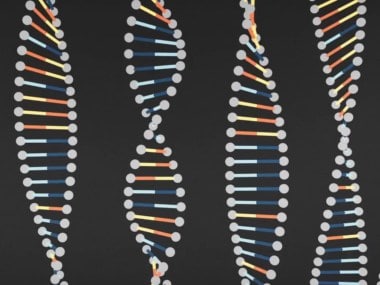
Representational image[/caption]Regulating this sector to balance the various stakeholders requires dedicated legislation with effective penalisation to prevent misuse of human samples.The current Bill creates uncertainty because some its provisions are formulated for forensic situations. Their application, if any to an academic or commercial setting is unclear. Indeed, the targeting of all DNA profiling laboratories could dilute the focus from facilitating speedier justice.Instead, the effective implementation of the Bill hinges on guidelines for quality assurance during DNA collection/analysis and the interpretation of the results in the niche of forensic science. Even the DNA Regulatory Board—likely responsible for creating these guidelines—will be encumbered by the requirement of creating universally applicable rules.It therefore makes sense that an effective legislation for regulating laboratories handing human samples be made separate from the regulation of the DNA handling and application for forensic purposes.The DNA databanks created through the Bill will act as a repository of DNA sequences for identifying deceased remains or corroborating culpability. The system is technically simple: a relative of a missing person could provide their own or the victim’s DNA, which will be screened against DNA from unidentified deceased remains. A DNA match would indicate to the victim and help gain closure for their family.Alternatively, charged criminals would have their DNA sequence entered into the databank for future scrutiny. DNA taken from crime scenes could be screened through this database of known criminals to detect the presence of any serial offender.DNA fingerprinting has helped resolve cases across the world—not just in recognizing perpetrators but also absolving wrongfully accused individuals. To replicate this success in India, however, we need trained law enforcement personnel for DNA handling and subject matter experts for guaranteeing proper interpretation of the evidence.Further, while the DNA Technology Bill defines the chain of custody of the DNA samples from the crime scene to the databank, it may not influence the admissibility of that evidence in the court of law. In most cases, DNA evidence has only been used as a corroborating evidence. To expedite cases, the Evidence Act 1872 and the Code of Criminal Procedure, 1973 needs to be correspondingly amended to better define conditions under which DNA evidence is admissible.Thus, make DNA evidence truly effective, state capacity needs to be accordingly boosted to ensure proper processes are in place to obtain evidence, examine and interpret the results.A demarcation between forensic and non-forensic DNA laboratories with comprehensive guidelines covering the use of any human sample will protect citizens from any privacy violations. Instead of creating a databank with multiple indices, it would be prudent to stagger its implementation, and first build a databank focussed only on human remains. Such a staggered approach would help build capacity and also allow time to sensitise law enforcement personnel and citizens to the use of the technology.For the explicit purpose of meting out speedier justice, the introduction of this Bill is insufficient. Instead in its current form, the Bill is riddled with ambiguities that need to be clarified to understand how it will be implemented. It is with this lens that the Rajya Sabha’s MPs need to discuss constructive changes needed to make the Bill effective in delivering the results it promises.The author is a research fellow with Takshashila’s technology and policy programme

Indian trucker arrested in US over alleged theft of $3 million worth of tungsten powder
China has dominated Myanmar’s rare earth mines — now India eyes deal to harness country’s critical minerals
CJP protest in Delhi: New videos of stone pelting, violence emerge as police, agitators trade charges
'From make in India to launch from India': Skyroot COO on why Vikram-1 could change India’s space sector
Choke terror funding, keep international shipping lanes safe: Jaishankar at Asean Regional Forum