


Debris from India's anti-satellite test is still zipping about in orbit, and now we might know why
Moving forward, India plans to set up a telescopes & radars to track debris in space.

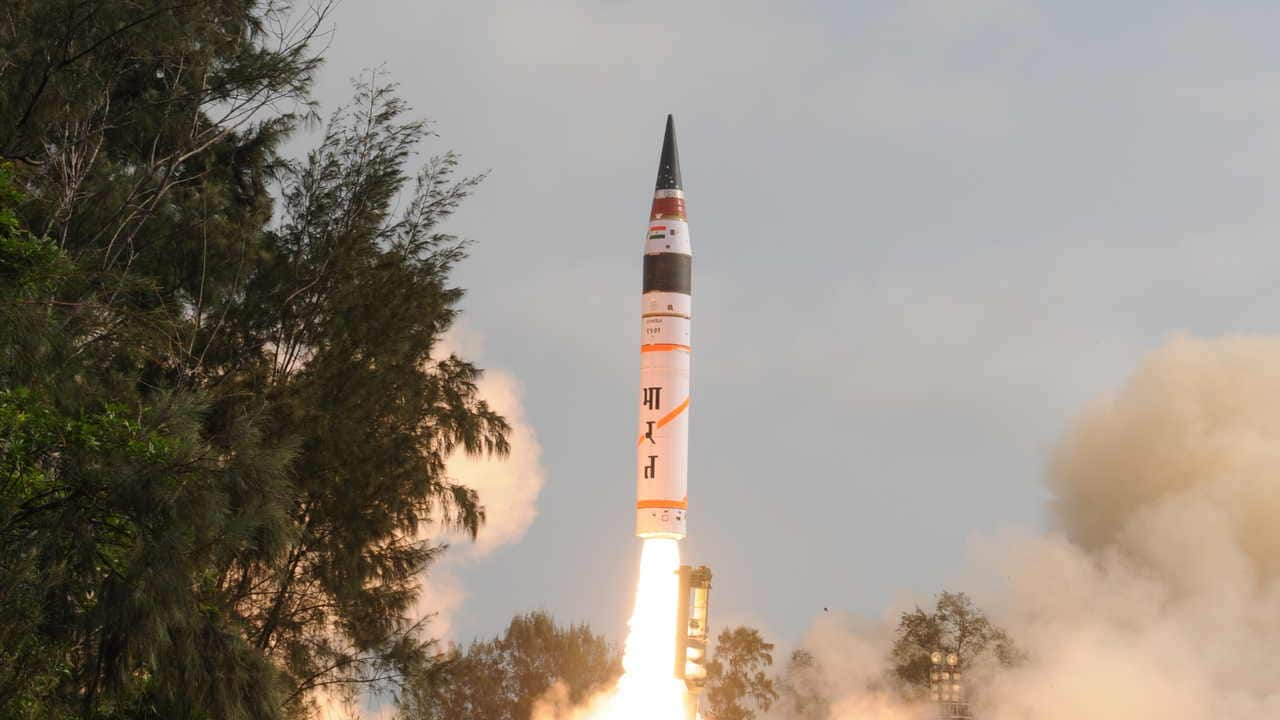
The 5000-km range Agni-V nuclear-capable missile was launched from Kalam Island off Odisha at 9.50 am on 27 March 2019. Image: Hemant Kumar/Twitter[/caption]DRDO Chairman G Satheesh Reddy said in April 2019 that most of the debris generated from the anti-satellite test conducted by India in March has decayed and that the rest of it will dissipate in a "short period of time"."As I had mentioned on 6 April, the debris were to decay in a few weeks’ time. As per the information that we have already got, most of the debris has decayed. And, whatever couple of pieces are there, they will be decaying in a short period of time," Reddy said.There could be an explanation for the "unusually long" period of time the debris is taking to fall through the atmosphere, as DRDO expected it might. On an average day, the Earth's upper atmosphere is heated and puffed up by ultraviolet (UV) radiation from the sun. Orbiting satellites in low-Earth orbit experience friction as they skim over the edges of the atmosphere, producing drag. The satellites, therefore, lose speed over time, eventually falling back to Earth. Drag is good news as far as space junk in concerned, as it helps keep low-Earth orbit more or less debris-free.The Earth is currently in the middle of a 'solar minimum' phase, which some experts are citing as the reason for the slow disintegration of the debris. There is little to no solar activity during this period — the least in the sun's 11-year solar cycle. Sunspot and solar flare activity diminish to a minimum for days on end. This affects the Earth's upper atmosphere, too, where the natural heating mechanism by UV radiation subsides. The upper atmosphere cools, and to some degree, collapses, NASA says. With lesser drag than on an average day, space junk, too, tends to linger in low-Earth orbit for longer.

China has dominated Myanmar’s rare earth mines — now India eyes deal to harness country’s critical minerals
CJP protest in Delhi: New videos of stone pelting, violence emerge as police, agitators trade charges
'From make in India to launch from India': Skyroot COO on why Vikram-1 could change India’s space sector
Choke terror funding, keep international shipping lanes safe: Jaishankar at Asean Regional Forum
PM Modi announces fast-track courts for paper leak cases; CJP responds ‘Dharmendra Pradhan must go’