


#BoycottChineseGoods makes no economic sense as India lacks China's manufacturing edge
The impact of such a boycott, which lacks the necessary fangs to go for the kill, may not be realistic

Red flags flutter outside the Great Hall of the People during the closing session of the Chinese People's Political Consultative Conference (CPPCC) in Beijing, China March 13, 2019. Image: Reuters[/caption]
Chinese mobile phone players are in the lead in the Indian market
Indian startups bankrolled by Chinese companies
Last week, China blocked for the third time a declaration by the UNSC to blacklist Pakistan-based jihadist Azhar as a global terrorist. He is the head of Jaish-e-Mohammed, which had claimed responsibility for the recent Pulwama attack. India has said it is “disappointed” with China’s blocking of the decision but has not taken a strong stance or openly confronted China. On its part, China claims to be playing a constructive role in easing tensions between India and Pakistan, Reuters reported on Tuesday. This is what triggered the call for the ban of Chinese products on social media last week. But actually implementing it on the ground is an altogether different matter.According to a KMPG report this month, Chinese companies have invested nearly $2 billion in Indian startups during 2017 alone — a clear indication of their desire to expand in a growing India market.Chinese giants such as Alibaba, Xiaomi, Tencent Holdings, Ctrip, have invested several billion dollars’ worth investments in Indian tech startups. It’s not just about physical products, top Android apps downloaded in India including TikTok are also from China. PUBG Mobile, the game that has hooked the entire nation, is also owned by a Chinese company. India’s largest ecommerce payment giant Paytm’s parent One97 Communications counts Japan’s Softbank Inc, China’s Alibaba, Asian private equity firm SAIF Partners, and US-based Berkshire Hathaway as its key investors.[caption id="attachment_6204781" align="alignnone" width="1280"]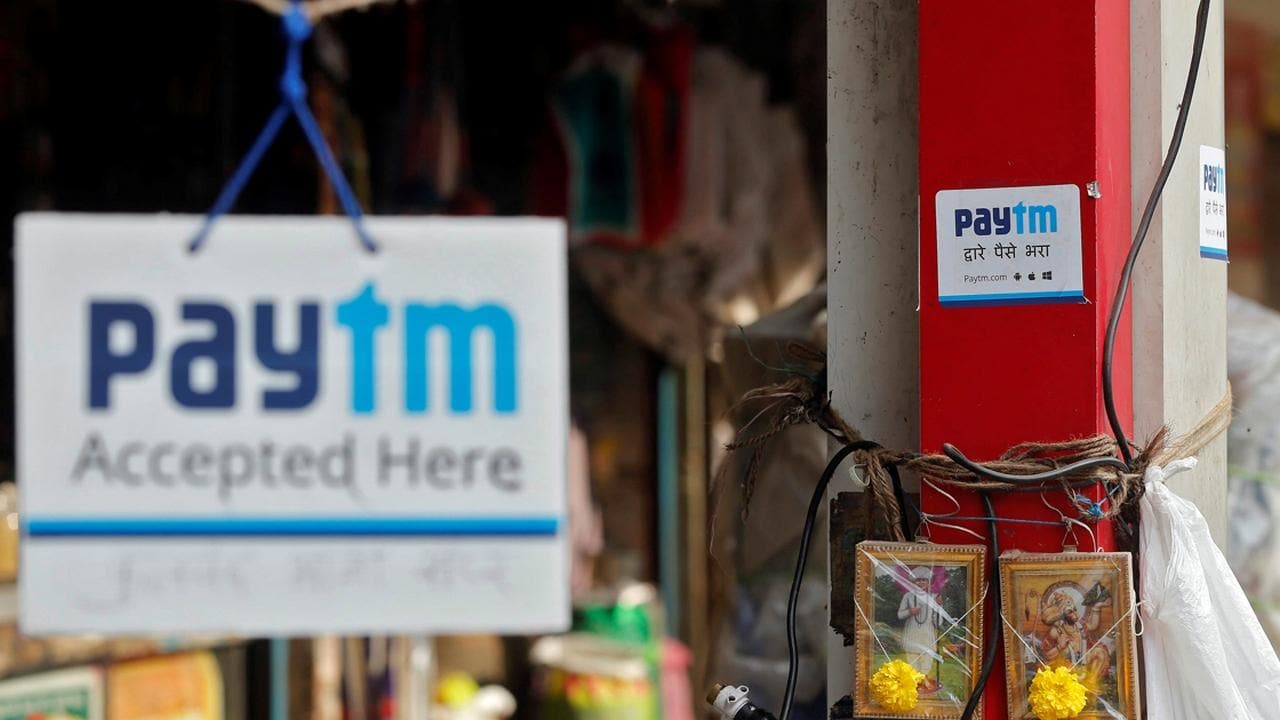
Advertisements of Paytm, a digital wallet company, are seen placed at stalls. Paytm counts China's Alibaba as its investor among others. Reuters[/caption]The shift to India comes in the backdrop of a slowing domestic market in China. India’s favourable growth and cheap labour are a plus.Chinese authorities are expected to take measures to support the economic weakness with industrial output falling to a seventeen-year low, an SMC Global Securities Ltd report said on Monday.“China Industrial production rose 5.3 percent year-on-year in the January to February period, the National Bureau of Statistics said, which was less than the 5.6 percent gain economists had forecast. The pace of growth was reportedly the weakest since 2002,” the SMC Global report said. This year, China could run its first annual current-account deficit since 1993, according to a 16 March report in The Economist.China is the biggest trading partner for India. India, which is the world’s third largest automobile market, imports ten times more auto components from China than it exports. India will rely more on China for auto components for electric vehicles, according to a report by brokerage Stewart and Mackertich Wealth Management Ltd.In the financial year 2018 alone, Chinese exports to India touched $4.3 billion.
China has the manufacturing edge that India lacks
As #BanChineseGoods and #BoycottChineseGoods trends, the efficacy of this movement may be questionable. When viewed from the economics perspective of international trade, the banning of Chinese goods definitely helps in boosting the patriotic sentiment but may fail to leave a dent in the real world. The impact of such a boycott, which lacks the necessary fangs to go for the kill, may not be realistic till India decides to impose such a ban or advises its consumers to boycott such goods.China does enjoy an absolute as well as comparative advantage over India when it comes to the manufacture of a majority of goods – from tech, white goods, auto components, to household items. The burgeoning trade deficit over the last decade gives enough clues to conclude that India's imports from China are way ahead of what it exports to them. And given the fact that China excels in the technical expertise when it comes to production, complemented by the inexpensive resources of labour and capital, it would be foolhardy to assume that it could be so easy to just support the ban by a handful of citizens represented over social media or off it.According to this Business Standard report, in key industries such as pharmaceuticals, textiles, toys, bicycles, renewables, Chinese imports count for a significantly high percentage, to just pull the plug overnight thanks to a Twitter hashtag.[caption id="attachment_6290941" align="alignnone" width="1280"]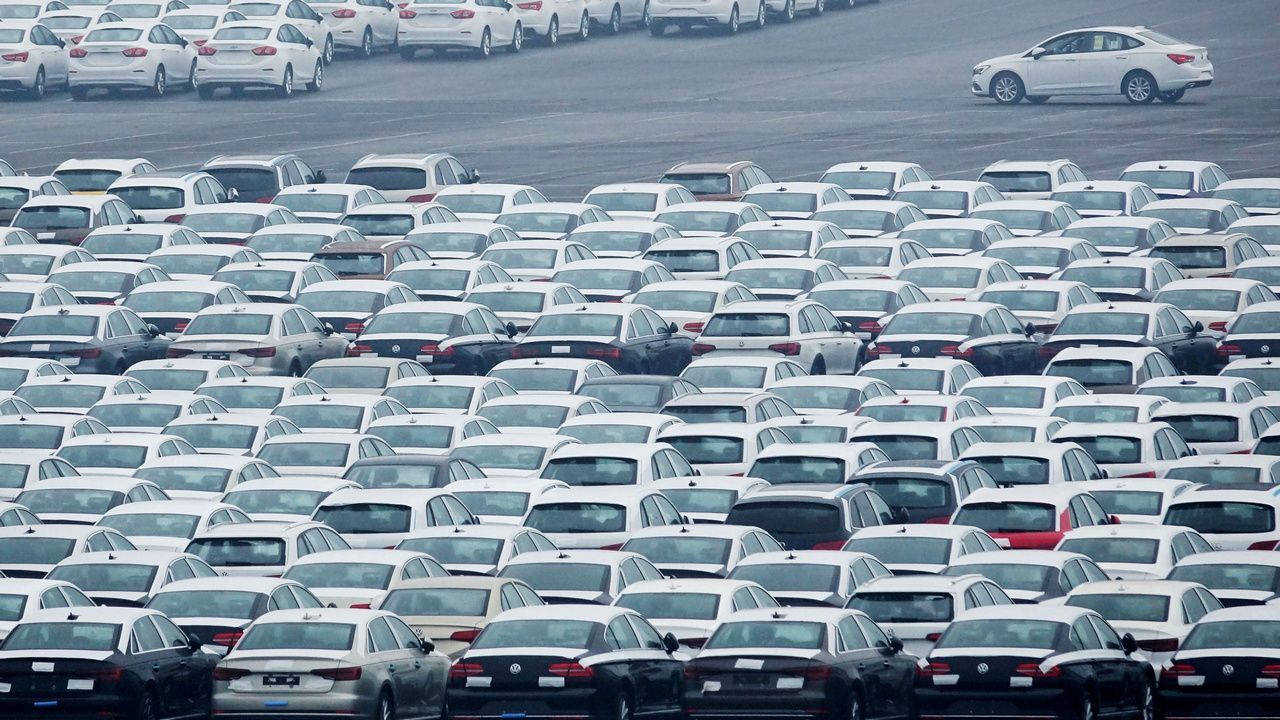
imports ten times more auto components from China than it exports. Image: Reuters[/caption]In a hypothetical scenario, the repercussions of this boycott would be dire for India in the simplest form of the increase in the cost of goods. This will lead to an increase in the price of the domestic goods, which shall lead to an increase in spending, decrease in savings and could spiral into an inflationary regime.If this momentum were to make a dent in the real sense, it would involve bringing about a change in the fiscal policies which dictate the terms of trade between the countries. Trade restrictions that have actual fangs in the form of tariffs, quotas, export subsidies, minimum domestic content, et al., need to be activated for the boycott movement to prevail.However, fortunately, the legislation does not work solely on the sentiments of a few netizens as better sense would prevail amongst the lawmakers before taking drastic measures. Till then, the social media can only take solace in the fact that the boycott sentiment shall be equated to patriotism during the festivals which will actually limit the purchase of colours during Holi and crackers during Diwali.Ironically, tweeting about it shall invariably continue via phones made of Chinese components!The authors are independent financial writers based in Mumbai

China has dominated Myanmar’s rare earth mines — now India eyes deal to harness country’s critical minerals
CJP protest in Delhi: New videos of stone pelting, violence emerge as police, agitators trade charges
'From make in India to launch from India': Skyroot COO on why Vikram-1 could change India’s space sector
Choke terror funding, keep international shipping lanes safe: Jaishankar at Asean Regional Forum
PM Modi announces fast-track courts for paper leak cases; CJP responds ‘Dharmendra Pradhan must go’