


World Vegan Day 2019: 7 things you need to know before you turn vegan
On World Vegan Day today here's a look at the things you should consider so that you can make an informed choice if you are considering the switch.

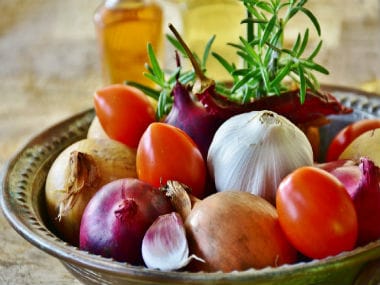 Representational image. Image by RitaE from Pixabay[/caption]On World Vegan Day today, 1 November, here's a look at the things you should consider so that you can make an informed choice.
How are vegans different from vegetarians?
Vegans are way ahead as environmentalists than vegetarians. Vegetarians avoid eating eggs and meat, but vegans also shun all dairy products and any other animal products including eggs, gelatin and honey. In fact, they don’t even use items like soaps, clothes, beauty products that have any animal products in them.Being a vegetarian is relatively easy as you can still consume some animal products that are important sources of nutrients like protein, vitamins, minerals and nonsaturated fats. But a vegan shuns those animal products too and has to look for alternatives for them.What do you need to consider before turning vegan?
1. It lowers the chances of some diseasesBy turning vegan, the chances of developing heart disease, rheumatoid arthritis and certain types of cancers which have been linked to animal fats may go down. By cutting animal fats from their diets, vegans save themselves from industrial chemicals and toxins which animals transfer from their environment. 2. You’ll need to find an alternative for milkMilk, cheese, yoghurt and eggs are important sources of calcium which is crucial to maintain good bone health. As a vegan, you have many options like figs, kale, spinach, turnip greens and black peas to get your dose of calcium. You can also opt for milk alternatives like soy milk, almond milk and vegan cheese. Soy, fruits and some of the vegetables can provide some other important minerals and nutrients like vitamin D, vitamin K, potassium and magnesium which are also important for bones.Also Read: Seven easily-available foods for weight loss
3. It might reduce the risk of diabetes and keep your heart healthy. Vegans tend to cook with healthier plant-based fats and oils (like olive oil). They provide crucial fatty acids but also regulate the low-density lipoprotein (LDL or bad cholesterol) levels. Reduced LDL lowers the risk of death by ischemic heart disease - blocked arteries can lead to a stroke or a heart attack. Vegans tend to consume fewer calories than meat-eaters and vegetarians (most vegan diets are high in fibre, so they make you feel full on less food). Fewer calories may lead to lower body mass index (BMI) and reduced obesity risk. That's why vegan diets may help some people reduce their risk of developing type 2 diabetes and cardiovascular diseases.4. You will need to take some supplementsB-12 is mostly found in meat, eggs and dairy products. On a vegan diet, you can either get B-12 from food items fortified with B-12 or from supplements. Similarly, you might need to take iron supplements as well since the type of iron found in plant-based diets (non-heme) isn’t as easy to absorb as the one found in a non-vegetarian diet (heme and non-heme).5. You might lose some weightA vegan diet might reduce your consumption of high-calorie foods and increase your intake of high-fibre foods. This can result in some weight loss. Be careful about getting all your required nutrients, though - it’s best to consult a doctor or a dietician for best practices. 6. You’ll be helping the environmentThe vegan diet isn’t just about good health - it’s also about doing what’s best for the environment. From helping reduce greenhouse gas emissions to standing up against cruelty towards animals, there are many ethical arguments for a vegan diet. 7. Be careful about putting your kids on a vegan dietIt’s okay if you and your partner, even your parents want to try a vegan diet. But when it comes to young kids, it might not be the healthiest option. Please consult a doctor before making any changes and ask about the supplements your child might need to take if you decide to go ahead with the new diet for the entire family. Health articles in Firstpost are written by myUpchar.com, India’s first and biggest resource for verified medical information. At myUpchar, researchers and journalists work with doctors to bring you information on all things health. For more information, please read our article on the Benefits of B12.

Stroke in young adults, silent symptoms and late diagnosis: India's growing brain health challenge
Brain tumours aren't always fatal, but delayed diagnosis can be: Experts explain the key warning signs
Spices, health and the Indian plate: Why chilli can be good for you—but moderation is still key
Organ donation: 5 myths you need to stop believing, according to a transplant specialist
Fish over meat: Why a pescatarian diet may help people with obesity live longer