


With COVID-19 pandemic 'still accelerating', WHO appoints independent panel to review world's response
He said, "the greatest threat we face now is not the virus itself. Rather, it is the lack of leadership and solidarity at the global and national levels."

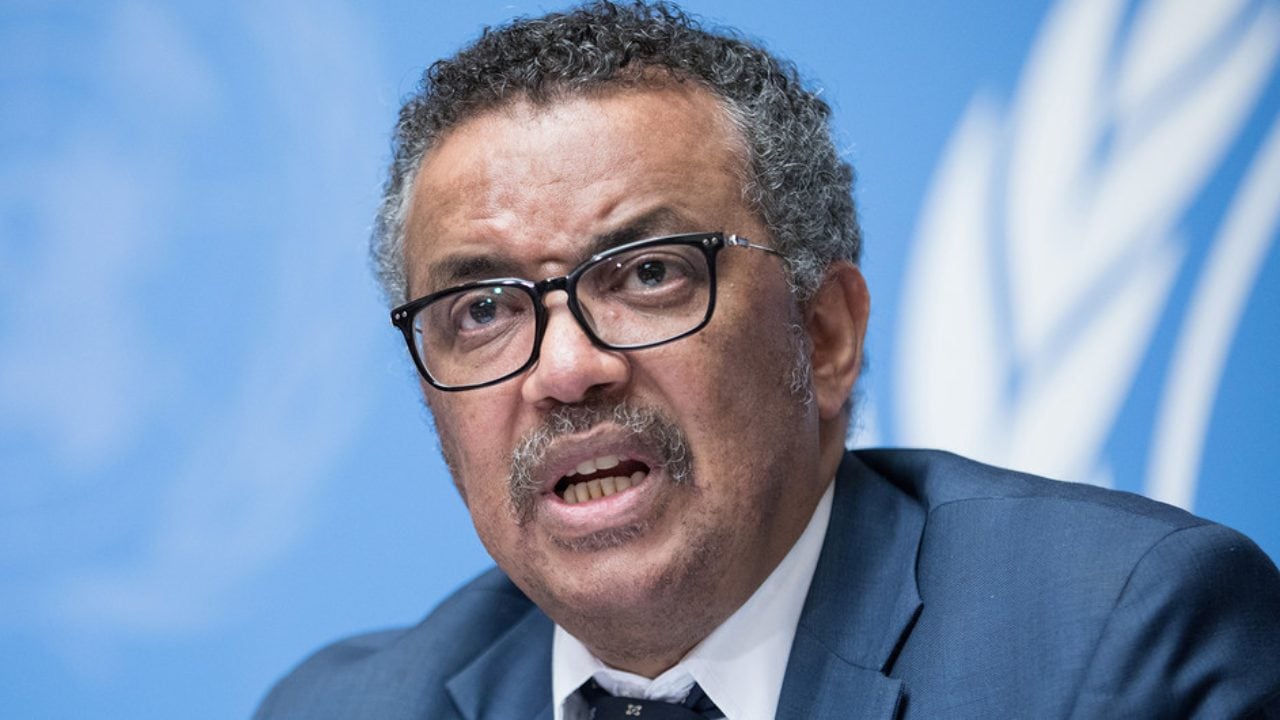
WHO Director-General Tedros Adhanom Ghebreyesus speaks at a press conference at the UN Office in Geneva. Image credit: UN news[/caption]The formation of this panel was announced by the World Health Assembly during its most recent meeting in May. WHO member states agreed to a resolution tabled by the European Union, which called for "an independent and comprehensive evaluation of the lessons learned from the international health response to COVID-19."The member nations urged that an investigation be carried out to probe "the actions of WHO and their timelines pertaining to the COVID-19 pandemic."The Independent Panel for Pandemic Preparedness and Response (IPPR) will present their 'interim report' in November to the Assembly after a Special Session of the Executive Board in September to discuss the panel's progress.The panel will present its 'substantive report' in May 2021, at the next World Health Assembly."This is a time for self-reflection, to look at the world we live in and to find ways to strengthen our collaboration as we work together to save lives and bring this pandemic under control," said Dr Ghebreyesus in a statement. "The magnitude of this pandemic, which has touched virtually everyone in the world, clearly deserves a commensurate evaluation."
WHO vs Trump
This investigative panel comes at a time when US President Donald Trump has accused the foremost global health agency of being partial towards China.In May, Trump had threatened to withdraw from the WHO and stop the USA's $450 million funding. He accused the WHO of withholding information about the virus and of being "too close" to China. Trump called them China's "puppet" in spite of the US being their biggest contributor. Dr Ghebreyesus has, on his part, dismissed these accusations and said his agency kept the world informed.On Tuesday, 7 July 2020, a WHO official confirmed that they had received a formal letter from the US giving WHO the required a one-year notice of withdrawal. The official said, "We have received reports that the US has submitted formal notification to the UN secretary-general that it is withdrawing from WHO effective 6 July 2021.”[caption id="" align="alignnone" width="1280"]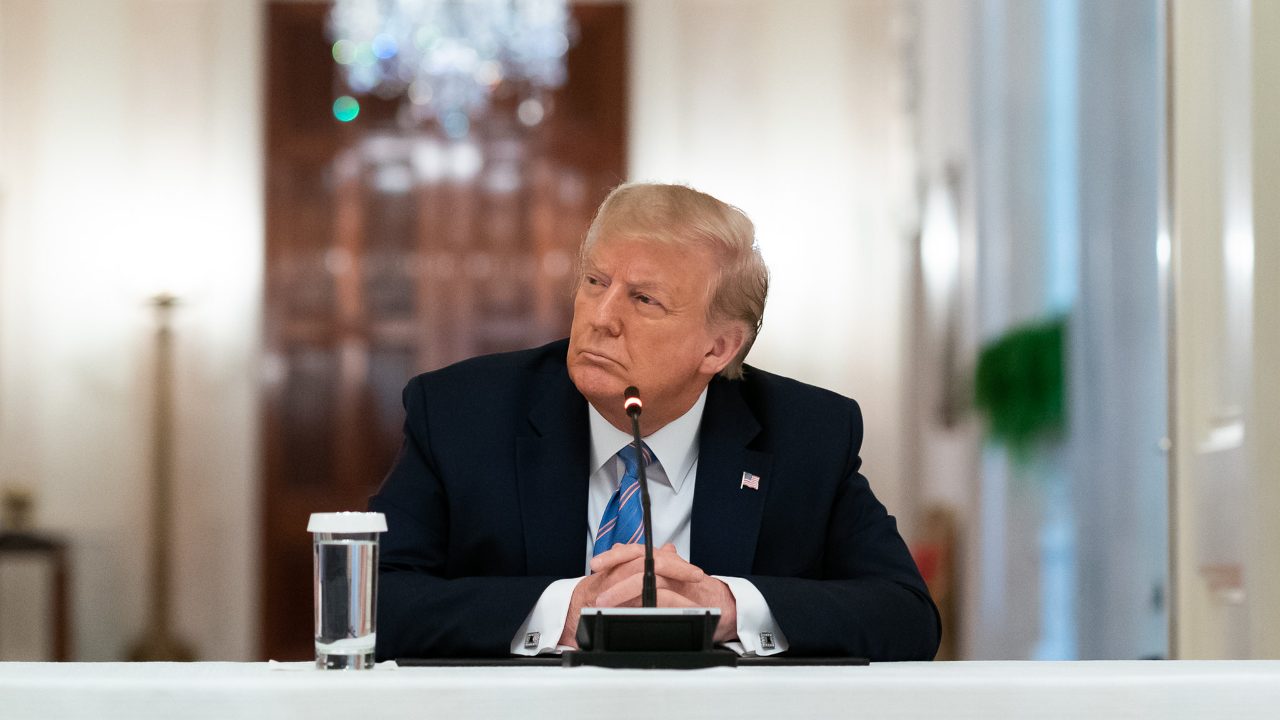
President Donald J. Trump has sent a formal letter withdrawing its participation from the WHO. Image credit: White House/Andrea Hanks/Flickr[/caption]“The President has been clear that the WHO needs to get its act together. That starts with demonstrating significant progress and the ability to prevent, detect, and respond to infectious disease outbreaks with transparency and accountability,” a senior U.S. official in Washington told Reuters on Thursday.This seems to a practiced move on the part of President Trump, who has also pulled US participation from the Paris Agreement – at a time when climate change impacts are being seen in real-time.The confirmation of withdrawal came at a time when the number of coronavirus cases in the US approached the big three million mark with 130,000 deaths.Speaking of the newly formed panel, Lawrence Gostin, a professor at Georgetown Law in Washington, DC, told Reuters that it should not be "an inside job" driven by states close to the WHO, nor should it pander to what he refers to "Trump’s conspiracy theories"."What is really vital is we have truly independent experts from a variety of disciplines that will honestly and frankly review the situation with COVID," Gostin said. "Are they going to review China’s action, are they going to review WHO’s initial response to China, look at things like ... WHO’s power to independently verify states’ reports?." added.
Lack of Unity

10,000 steps a day is not enough: Top doctor explains the role of timing
What happens when you stop drinking tea for 30 days? Doctor explains the effects
Stroke is rising among young adults. Doctor explains why it's happening and what you must do
Stroke in young adults, silent symptoms and late diagnosis: India's growing brain health challenge
Brain tumours aren't always fatal, but delayed diagnosis can be: Experts explain the key warning signs