
Advertisement


Sections
What is Kawasaki disease and how is it linked to COVID-19 in children?
Kawasaki disease is a rare inflammatory syndrome that mostly occurs in children up to five years old.

COVID-19 is a very new disease and we are still learning how SARS-CoV-2 (the virus that causes it) behaves and affects people with preexisting conditions. Every time we receive new data, it either helps us learn something new or gives rise to even more questions.Over the last few months, there has been an informed push to protect the elderly and those suffering from chronic conditions, since mortality rates are higher in age groups over 60 and in people who have diabetes or heart and lung conditions. Children, although not immune, haven’t been considered a “high-risk” population until now.[caption id="attachment_8240441" align="alignleft" width="380"]![Representational image. Image by Andrés Dávila from Pixabay.]() Representational image. Image by Andrés Dávila from Pixabay.[/caption]Over the last week, new patterns have been coming to light. At least 12 children in the UK have needed intensive care for symptoms like inflammation of the heart, stomach ache and other gastrointestinal symptoms. As these symptoms are consistent with COVID-19, they were tested for it; some of them tested positive but not all. One of these children had to be given ECMO (extracorporeal membrane oxygenation) to help them breathe. There have been separate reports of some children dying after showing similar symptoms.In the US, three children (ages ranging from 6 months to 8 years) have had similar symptoms of inflammation of the heart and gut and fever. All of them had tested positive for COVID-19.Medical professionals from Britain and Italy have observed that a growing number of infants are being brought to hospitals with similar inflammation now. They’re currently researching if and how this could be related to COVID-19.
Representational image. Image by Andrés Dávila from Pixabay.[/caption]Over the last week, new patterns have been coming to light. At least 12 children in the UK have needed intensive care for symptoms like inflammation of the heart, stomach ache and other gastrointestinal symptoms. As these symptoms are consistent with COVID-19, they were tested for it; some of them tested positive but not all. One of these children had to be given ECMO (extracorporeal membrane oxygenation) to help them breathe. There have been separate reports of some children dying after showing similar symptoms.In the US, three children (ages ranging from 6 months to 8 years) have had similar symptoms of inflammation of the heart and gut and fever. All of them had tested positive for COVID-19.Medical professionals from Britain and Italy have observed that a growing number of infants are being brought to hospitals with similar inflammation now. They’re currently researching if and how this could be related to COVID-19.
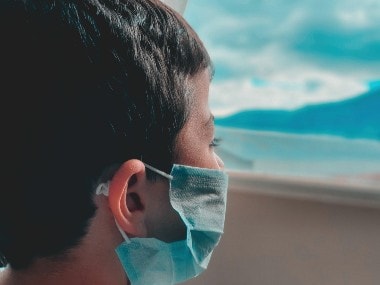 Representational image. Image by Andrés Dávila from Pixabay.[/caption]Over the last week, new patterns have been coming to light. At least 12 children in the UK have needed intensive care for symptoms like inflammation of the heart, stomach ache and other gastrointestinal symptoms. As these symptoms are consistent with COVID-19, they were tested for it; some of them tested positive but not all. One of these children had to be given ECMO (extracorporeal membrane oxygenation) to help them breathe. There have been separate reports of some children dying after showing similar symptoms.In the US, three children (ages ranging from 6 months to 8 years) have had similar symptoms of inflammation of the heart and gut and fever. All of them had tested positive for COVID-19.Medical professionals from Britain and Italy have observed that a growing number of infants are being brought to hospitals with similar inflammation now. They’re currently researching if and how this could be related to COVID-19.
Kawasaki disease
All of these symptoms are also consistent with a rare inflammatory syndrome called Kawasaki disease. It mostly occurs in children up to five years old and causes inflammation in the walls of medium-sized arteries, including coronary arteries which affect the heart. It is also called mucocutaneous lymph node syndrome, as the disease also affects the lymph nodes and mucosal membranes. The disease is more common in Asia.There are some theories of it being linked to viruses and bacteria but no exact cause is known right now.Symptoms of Kawasaki disease can have three phases and may include:- Phase 1: High and persistent fever, red eyes, rashes, swelling and redness of the hands and feet, irritability and swollen lymph nodes
- Phase 2: Diarrhoea, abdominal pain, vomiting, joint pain and peeling of the skin on the hands and feet.
- Phase 3: If there are no complications, symptoms start to go away - although it may take about eight weeks to return to normal energy levels.
The connection between COVID-19 and Kawasaki disease
Kawasaki disease is currently being seen as a possible complication in young COVID-19 patients. The connection, however, is unclear since experts had earlier suggested that children mostly get a mild version of the coronavirus infection.Italy, which was hit by COVID-19 quite hard, reported a large number of cases of Kawasaki disease in children during the pandemic. Britain had similar observations and shared with doctors that such cases should be referred to hospitals immediately.Hopefully, we may get a clearer picture in the coming days but it’s safe to say that while there may be some high-risk populations, no one is truly at a lower risk and everyone should take all the precautions to control the spread of infection.For more information, read our article on Kawasaki Disease.Health articles in Firstpost are written by myUpchar.com, India’s first and biggest resource for verified medical information. At myUpchar, researchers and journalists work with doctors to bring you information on all things health.First Published:Apr 30, 2020, 14:47:14 IST
Advertisement
Advertisement

10,000 steps a day is not enough: Top doctor explains the role of timing
Walking 10,000 steps a day is beneficial, but experts say timing matters. Short walks after meals and breaking up long periods of sitting may be more effective for blood sugar control and overall metabolic health
3 min read
What happens when you stop drinking tea for 30 days? Doctor explains the effects
Thinking of quitting tea for a month? Experts explain how cutting out caffeine can affect your body, from withdrawal symptoms in the first week to better sleep and improved iron absorption over time.
2 min read
Stroke is rising among young adults. Doctor explains why it's happening and what you must do
Stroke is increasingly affecting adults in their 30s, 40s and 50s. Experts say unhealthy lifestyles, undiagnosed high blood pressure and delayed treatment are driving the rise in younger stroke cases
3 min read
Stroke in young adults, silent symptoms and late diagnosis: India's growing brain health challenge
Neurologists warn that stroke is increasingly affecting people in their 30s and 40s, while many brain disorders progress silently before symptoms appear. They say early diagnosis, timely referrals and healthier lifestyles are key to reducing India's growing neurological disease burden.
5 min read
Brain tumours aren't always fatal, but delayed diagnosis can be: Experts explain the key warning signs
Brain tumours are frequently mistaken for common headaches, stress or age-related cognitive changes. Doctors say recognising warning signs early and adopting a brain-healthy lifestyle can improve outcomes and reduce the risk of long-term neurological complications.
2 min read
Advertisement
Advertisement