
Advertisement


Sections
Top three myths about psoriasis, and the truth behind them
According to one estimate, psoriasis affects 0.44% to 2.8% of the population in India - with twice as many cases recorded in men.

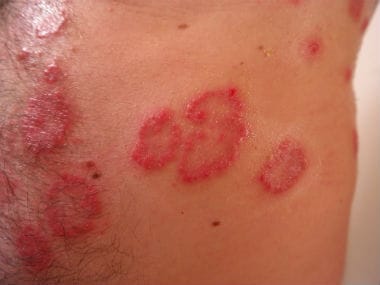
Kim Kardashian West, the reality TV star and businesswoman, launched a line of body make-up for people living with psoriasis earlier this year. The inspiration: her own struggles with the autoimmune condition in which skin cells grow so quickly that they leave the skin looking blotchy and scaly.Originally believed to be contagious, psoriasis usually occurs in people who have a family history of the disease - Kardashian West’s sister Kris Jenner has psoriasis, too. Usually, psoriasis affects the skin of the arms (especially elbows), legs and scalp, although it can also affect fingernails, toenails and skin folds including the crotch.[caption id="attachment_7289771" align="alignleft" width="380"]![Representative image. Image by Hans Braxmeier from Pixabay]() Representative image. Image by Hans Braxmeier from Pixabay[/caption]According to one estimate, psoriasis affects 0.44% to 2.8% of the population in India - with twice as many cases recorded in men. In May, TV actor Rashmi Desai, known for her role in Uttaran, told news organisations that she was diagnosed with psoriasis late last year and was taking steroids to get better. She had added that she had put on weight because of the medicines.Despite steps to raise awareness about the disease globally, myths about psoriasis persist. Here’s a crash course in the top three myths and facts about psoriasis.Myth 1: Psoriasis is infectiousPsoriasis is genetic and is triggered by environmental factors. The disease sends the immune system into overdrive - the immune cells then attack the body’s own skin cells, leading to inflammation and patches. Psoriasis is not infectious and doesn’t transfer through contact with a patient. Stress can exacerbate the condition in some patients.Broadly speaking, psoriasis can be divided into two groups:
Representative image. Image by Hans Braxmeier from Pixabay[/caption]According to one estimate, psoriasis affects 0.44% to 2.8% of the population in India - with twice as many cases recorded in men. In May, TV actor Rashmi Desai, known for her role in Uttaran, told news organisations that she was diagnosed with psoriasis late last year and was taking steroids to get better. She had added that she had put on weight because of the medicines.Despite steps to raise awareness about the disease globally, myths about psoriasis persist. Here’s a crash course in the top three myths and facts about psoriasis.Myth 1: Psoriasis is infectiousPsoriasis is genetic and is triggered by environmental factors. The disease sends the immune system into overdrive - the immune cells then attack the body’s own skin cells, leading to inflammation and patches. Psoriasis is not infectious and doesn’t transfer through contact with a patient. Stress can exacerbate the condition in some patients.Broadly speaking, psoriasis can be divided into two groups:
 Representative image. Image by Hans Braxmeier from Pixabay[/caption]According to one estimate, psoriasis affects 0.44% to 2.8% of the population in India - with twice as many cases recorded in men. In May, TV actor Rashmi Desai, known for her role in Uttaran, told news organisations that she was diagnosed with psoriasis late last year and was taking steroids to get better. She had added that she had put on weight because of the medicines.Despite steps to raise awareness about the disease globally, myths about psoriasis persist. Here’s a crash course in the top three myths and facts about psoriasis.Myth 1: Psoriasis is infectiousPsoriasis is genetic and is triggered by environmental factors. The disease sends the immune system into overdrive - the immune cells then attack the body’s own skin cells, leading to inflammation and patches. Psoriasis is not infectious and doesn’t transfer through contact with a patient. Stress can exacerbate the condition in some patients.Broadly speaking, psoriasis can be divided into two groups:
- Pustular psoriasis, in which patients get white non-infectious pustules surrounded by red splotchy skin. This type of psoriasis usually affects the skin on the feet and palms. It may or may not be itchy and painful.
- Non-pustular psoriasis is the more common type of psoriasis. Further sub-types include: a) Psoriasis Vulgaris, which accounts for 80-90% of reported cases. The condition is also known as plaque psoriasis because patients usually get painful and inflamed patches of skin covered with silvery-white patches (plaque) of dead skin. b) Psoriasis erythroderma is rare and causes inflammation and exfoliation. This type of psoriasis can be fatal as the skin loses its temperature control and barrier functions.
First Published:Sep 05, 2019, 12:26:59 IST
Advertisement
Advertisement

Stroke is rising among young adults. Doctor explains why it's happening and what you must do
Stroke is increasingly affecting adults in their 30s, 40s and 50s. Experts say unhealthy lifestyles, undiagnosed high blood pressure and delayed treatment are driving the rise in younger stroke cases
3 min read
Stroke in young adults, silent symptoms and late diagnosis: India's growing brain health challenge
Neurologists warn that stroke is increasingly affecting people in their 30s and 40s, while many brain disorders progress silently before symptoms appear. They say early diagnosis, timely referrals and healthier lifestyles are key to reducing India's growing neurological disease burden.
5 min read
Brain tumours aren't always fatal, but delayed diagnosis can be: Experts explain the key warning signs
Brain tumours are frequently mistaken for common headaches, stress or age-related cognitive changes. Doctors say recognising warning signs early and adopting a brain-healthy lifestyle can improve outcomes and reduce the risk of long-term neurological complications.
2 min read
Spices, health and the Indian plate: Why chilli can be good for you—but moderation is still key
From boosting metabolism to supporting heart health, chillies offer several surprising health benefits. But experts say the amount you eat matters, and too much spice can do more harm than good.
4 min read
Organ donation: 5 myths you need to stop believing, according to a transplant specialist
Organ donation has the power to transform and save lives, but this can happen only when myths are replaced with facts. Building awareness, having open conversations and understanding the process can help families make informed decisions.
2 min read
Advertisement
Advertisement