
Advertisement


Sections
Three ways in which diabetes can affect your teeth
From cavities to burning mouth syndrome, high blood sugar makes diabetics more susceptible to a host of oral health problems.

From cavities to burning mouth syndrome, high blood sugar makes diabetics more susceptible to a host of oral health problems.“Most of us tend to be lax about our dental health. But diabetics simply can’t afford to be,” said Dr Huma Sadaf, a dentist associated with myUpchar.com.[caption id="attachment_7375931" align="alignleft" width="380"]![Representational image. Image source: Getty Images]() Representational image. Image source: Getty Images[/caption]“With high blood sugar, more bacteria collects in the mouth. This bacteria breaks down sugar from food and along with saliva, it forms a thin layer on the teeth called plaque. This plaque, as we know, can cause cavities, gingivitis, and a host of other problems,” Dr Sadaf explained.Here’s Dr Sadaf’s list of three oral health conditions to watch out for, if you are a diabetic:
Representational image. Image source: Getty Images[/caption]“With high blood sugar, more bacteria collects in the mouth. This bacteria breaks down sugar from food and along with saliva, it forms a thin layer on the teeth called plaque. This plaque, as we know, can cause cavities, gingivitis, and a host of other problems,” Dr Sadaf explained.Here’s Dr Sadaf’s list of three oral health conditions to watch out for, if you are a diabetic:
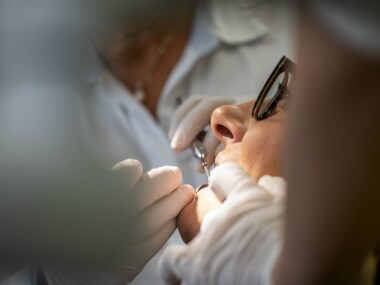 Representational image. Image source: Getty Images[/caption]“With high blood sugar, more bacteria collects in the mouth. This bacteria breaks down sugar from food and along with saliva, it forms a thin layer on the teeth called plaque. This plaque, as we know, can cause cavities, gingivitis, and a host of other problems,” Dr Sadaf explained.Here’s Dr Sadaf’s list of three oral health conditions to watch out for, if you are a diabetic:
Periodontitis
You probably remember the term “gingivitis” from a recent toothpaste commercial. Gingivitis is an inflammation of the gums. When gingivitis goes untreated, it can lead to periodontitis.Periodontitis is a kind of inflammation which affects the connective tissues and bones that keep our teeth in place. As the disease progresses, it weakens the periodontal ligament which attaches our teeth to sockets in the alveolar bones. Eventually, the teeth become loose and fall out.Diabetics are more prone to this disease for two reasons. One, high blood sugar increases their chances of bacterial infection and gingivitis. And two, diabetics typically heal more slowly than people with blood sugar in the normal range of 72-99 mg per decilitre, and gingivitis can turn into periodontitis with time.Candidiasis or oral thrush
This is a fungal infection caused by Candida yeast. The most typical symptoms of oral thrush are creamy white patches in the mouth (they could be inside the cheek, on the lips, or the tongue) and a sore mouth.Diabetics are particularly at risk for angular cheilitis - a type of oral thrush. The main symptoms of cheilitis are painful cracks, swelling, blistering or scaly skin at the corners of the lips.Uncontrolled diabetes can make the mouth quite dry, which also increase the risk of getting candida infections. Usually, taking saliva substitutes like Biotene or salivary stimulants such as pilocarpine can provide relief for dry mouth.Burning mouth syndrome
Diabetics typically take diuretics to manage their blood sugar. These medicines can make their mouths extremely dry - a condition known as xerostomia. Our saliva contains many agents to fight infection as well as aid in the metabolism of sugars. In the absence of adequate saliva, patients run the risk of more cavities.In extreme cases, xerostomia can lead to a tingling or burning sensation in the mouth. Known as burning mouth syndrome, this condition is more common in women and people over 60. In about 55% of patients, the burning sensation also interrupts their sleep.Medical researchers have found similarities between burning mouth syndrome and diabetic peripheral neuropathy - the deterioration of nerves in the body as a result of high blood sugar.Your doctor may prescribe capsaicin cream or change your antidepressant (if you are taking any) to provide relief from this condition.Oral Care for Diabetics
“If you have diabetes, try and schedule a dental check-up every six months. And do tell your dentist that you have diabetes,” advised Dr Sadaf.Some basic steps to manage blood sugar and oral health care can go a long way to prevent dental problems in diabetics. Dr Sadaf recommends these five steps:- Eat healthy and take your medication on time to keep blood glucose levels as close to optimal as possible
- Clean your teeth and gums twice a day with a toothpaste that contains fluoride - you can also get sugar-free variants
- Floss daily to clean in-between your teeth and avoid any interdental cavities
- Drink plenty of water. You can also chew sugar-free gum to stimulate saliva production
- Stop smoking
First Published:Sep 20, 2019, 17:09:47 IST
Advertisement
Advertisement

10,000 steps a day is not enough: Top doctor explains the role of timing
Walking 10,000 steps a day is beneficial, but experts say timing matters. Short walks after meals and breaking up long periods of sitting may be more effective for blood sugar control and overall metabolic health
3 min read
What happens when you stop drinking tea for 30 days? Doctor explains the effects
Thinking of quitting tea for a month? Experts explain how cutting out caffeine can affect your body, from withdrawal symptoms in the first week to better sleep and improved iron absorption over time.
2 min read
Stroke is rising among young adults. Doctor explains why it's happening and what you must do
Stroke is increasingly affecting adults in their 30s, 40s and 50s. Experts say unhealthy lifestyles, undiagnosed high blood pressure and delayed treatment are driving the rise in younger stroke cases
3 min read
Stroke in young adults, silent symptoms and late diagnosis: India's growing brain health challenge
Neurologists warn that stroke is increasingly affecting people in their 30s and 40s, while many brain disorders progress silently before symptoms appear. They say early diagnosis, timely referrals and healthier lifestyles are key to reducing India's growing neurological disease burden.
5 min read
Brain tumours aren't always fatal, but delayed diagnosis can be: Experts explain the key warning signs
Brain tumours are frequently mistaken for common headaches, stress or age-related cognitive changes. Doctors say recognising warning signs early and adopting a brain-healthy lifestyle can improve outcomes and reduce the risk of long-term neurological complications.
2 min read
Advertisement
Advertisement