


Metformin: How the diabetes drug is impacting the brain
A recent study has found that metformin, prescribed to those with type 2 diabetes, has a direct impact on the brain. The drug, which helps lower blood sugar, influences brain pathways. Here’s how

Scientists have finally decoded the workings of a drug prescribed to patients with type 2 diabetes. For more than 60 years, metformin has been used to manage blood sugar.
Now, a new study has found that it directly impacts the brain, helping lower blood sugar. The findings are significant as they can lead to more targeted and effective diabetes therapies.
Let’s take a closer look.
How the study was conducted
Last year, researchers from the Baylor College of Medicine in the United States studied a small protein called Rap1, present in a part of the brain called the ventromedial hypothalamus (VMH).
Earlier, some of these researchers had identified Rap1’s impact on glucose metabolism.
In the 2025 study published in Science Advances, they used genetically engineered mice that lacked Rap1 in the VMH. These mice were put on a high-fat diet to imitate type 2 diabetes, as per ScienceDaily.
 More from Health
Findings of the study
When the mice were administered low doses of metformin, there was not much improvement in their blood sugar levels.
On the other hand, other diabetes treatments, such as insulin and GLP-1 agonists, worked effectively.
Researchers then administered very small quantities of metformin directly into the brains of diabetic mice. Even when the doses were thousands of times lower than those usually taken orally, a significant reduction in blood sugar levels was noted.
"It's been widely accepted that metformin lowers blood glucose primarily by reducing glucose output in the liver. Other studies have found that it acts through the gut," Makoto Fukuda, a pathophysiologist at Baylor, was quoted as saying by ScienceAlert.
"We looked into the brain as it is widely recognised as a key regulator of whole-body glucose metabolism. We investigated whether and how the brain contributes to the anti-diabetic effects of metformin."
The team also closely analysed the specific neurons that metformin was affecting. In future, this could help in targeted treatments that specifically aim these neurons.
"We also investigated which cells in the VMH were involved in mediating metformin's effects," Fukuda said. "We found that SF1 neurons are activated when metformin is introduced into the brain, suggesting they're directly involved in the drug's action."
"These findings open the door to developing new diabetes treatments that directly target this pathway in the brain," Fukuda added.
"In addition, metformin is known for other health benefits, such as slowing brain ageing. We plan to investigate whether this same brain Rap1 signalling is responsible for other well-documented effects of the drug on the brain."
In the 2025 study, researchers measured the electrical activity of these neurons using brain tissue samples. Metformin hiked activity in most of them, but only in the presence of Rap1.
The drug did not have any effect on mice without Rap1 in these neurons. This showed that Rap1 is needed for metformin to activate these brain cells and regulate blood sugar.
While most diabetes medications do not target the brain, this recent research indicates that metformin has always been influencing brain pathways, noted ScienceDaily.
"This discovery changes how we think about metformin," said Fukuda. "It's not just working in the liver or the gut, it's also acting in the brain."
"We found that while the liver and intestines need high concentrations of the drug to respond, the brain reacts to much lower levels."
These findings need to be proven in human beings as well.
What we know about metformin
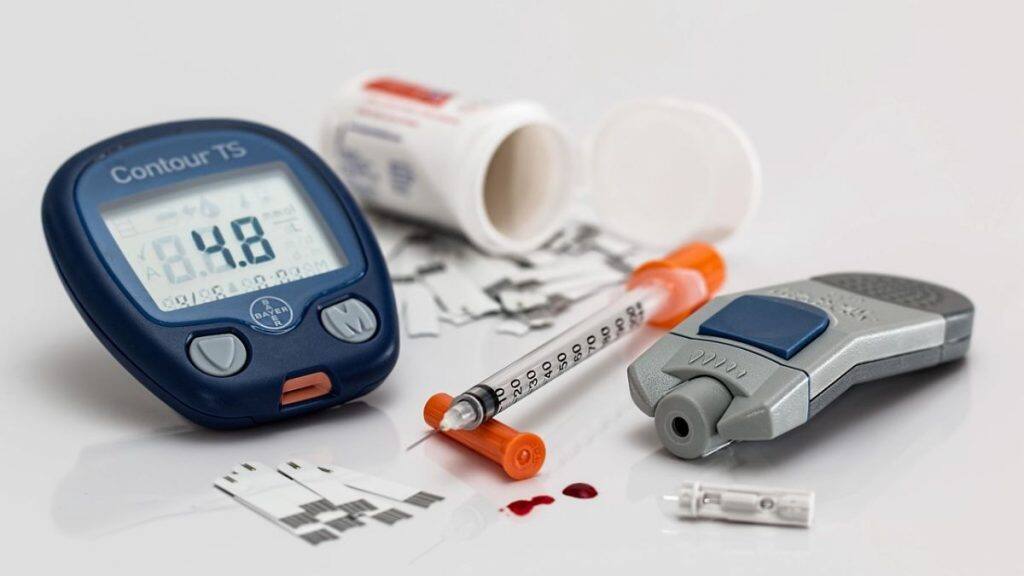
Metformin is used to treat type 2 diabetes and gestational diabetes. The medicine regulates blood sugar levels by improving how the body handles insulin.
Other studies have found that the same drug can slow brain ageing and improve lifespan. It is shown to limit DNA damage and promote gene activity connected to long life.
Metformin is also used to improve fertility in those who have polycystic ovary syndrome (PCOS), a common hormonal disorder.
Previous studies have also found that metformin can reduce wear and tear in the brain and even bring down the risk of long COVID-19.
Understanding how metformin affects the human body could lead to the drug's use for future treatments beyond diabetes and may further enhance its safety.
With inputs from agencies

Stroke is rising among young adults. Doctor explains why it's happening and what you must do
Stroke in young adults, silent symptoms and late diagnosis: India's growing brain health challenge
Brain tumours aren't always fatal, but delayed diagnosis can be: Experts explain the key warning signs
Spices, health and the Indian plate: Why chilli can be good for you—but moderation is still key
Organ donation: 5 myths you need to stop believing, according to a transplant specialist