
Advertisement


Sections
Low FODMAP diet: A diet that has nothing to do with losing weight
Doctors often advise a low-FODMAP diet as a natural way to counter symptoms like gas and bloating.

A lot of our health problems are linked to the food that we eat. Making dietary changes is, naturally, one way to control these problems. Irritable bowel syndrome (IBS), for example, is a common disorder of the large intestine in India - it can be painful as well as embarrassing. Doctors often advise a low-FODMAP diet as a natural way to counter symptoms like gas and bloating. Here’s a quick look at FODMAP and how it works.[caption id="attachment_7414611" align="alignleft" width="380"]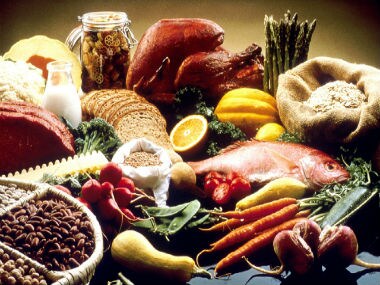 Representational image.
Image source: Pixabay[/caption]
What is FODMAP
FODMAP stands for fermentable, oligosaccharides, disaccharides, monosaccharides and polyols. It comprises fermented foods as well as some sugars, alcohols or carbohydrates that are poorly absorbed by the body. In some people, eating these food items can cause gas, pain, bloating, abdominal distention, abdominal pain, diarrhoea and a feeling of being too full even after eating very little.- Oligosaccharides: Onions, leeks, garlic, legumes, wheat, asparagus, rye and various other fruits and vegetables contain oligosaccharides - sugars made up of three to six units of monosaccharides or the simplest sugars.
- Disaccharides: Milk, cheese, yoghurt, butter, ice-cream, food items with added sugar like bread and desserts, malted milkshakes and candy have disaccharides. The most common examples of this type of sugar are sucrose, lactose and maltose.
- Monosaccharides: Most fruits like apples, cherries and grapes, sweeteners like corn syrup and honey and dairy products are sources of monosaccharides - or simple sugars that cannot be broken down further.
- Polyols: Fruits and vegetables like apples, lychee, broccoli, cauliflower, blackberries and some sugar-free gums are good sources of polyols - also known as sugar alcohols, these are often used as low-calorie sweeteners.
Stages of the Low-FODMAP Diet
Most food items in the FODMAP list are rich in nutrients and, therefore, necessary for our overall health. Doctors prescribe this diet for people with gastrointestinal problems like IBS. This diet is not recommended for any other purpose than to soothe the symptoms of a health condition.The three stages of a low FODMAP diet are:- Restriction: The first stage goes on for three to eight weeks. In this stage, one has to avoid all FODMAP items. Some people see improvement in their gut health in the first few weeks, while others need to carry on for the full eight weeks.
- Reintroduction: As the term indicates, this stage involves an orderly reintroduction of FODMAP food items in your diet. In this stage, your dietician will reintroduce the restricted food items into your diet chart one by one, to check which ones your body can tolerate and in what quantities. In this step, you will need to eat the reintroduced food items for three days to check your tolerance for it.
- Personalization: After moving through the first two stages successfully, you know what type and amount of FODMAP food items are suitable for your digestive system. Based on your experience over these three-eight weeks, ask your dietitian's advice on whether you need to avoid any foods in future.
Challenges of FODMAP diet
- Hard for vegetarians: Most high-protein legumes are high in FODMAP, too. Most fruits and vegetables also contain good amounts of FODMAP. Hence, a low FODMAP diet is difficult for vegetarians. However, vegetarians can include small portions of canned legumes as well as tofu, tempeh, nuts and seeds to get their daily recommended portion of proteins.
- Bland taste: Onion and garlic add flavour to most Indian food. However, they are both high in FODMAP. People who follow this diet even briefly may miss these flavours. However, they can add chives, fenugreek, chillies, lemongrass, mustard seeds, pepper, saffron and turmeric to their diet.
FODMAP-compliant foods
- Vegetables: Sprouts, bell peppers, carrots, choy sum, eggplant, spinach, zucchini, tomatoes and kale
- Whole grains: Buckwheat, maize, millet, brown rice, oats
- Fruits: Blueberries, kiwi, limes, oranges, papaya, strawberries, pineapple, rhubarb, bananas
- Non-vegetarian food: Chicken, fish, eggs, prawns, tofu, lamb and pork
- Seeds and nuts: Almonds, macadamia nuts, walnuts, peanuts, pecans, linseeds, pumpkin, sesame seeds, sunflower seeds
- Oils: Olive oil, coconut oil
- Dairy products: Lactose-free milk, Cheddar cheese, Parmesan cheese
First Published:Sep 27, 2019, 16:44:39 IST
Advertisement
Advertisement

Stroke is rising among young adults. Doctor explains why it's happening and what you must do
Stroke is increasingly affecting adults in their 30s, 40s and 50s. Experts say unhealthy lifestyles, undiagnosed high blood pressure and delayed treatment are driving the rise in younger stroke cases
3 min read
Stroke in young adults, silent symptoms and late diagnosis: India's growing brain health challenge
Neurologists warn that stroke is increasingly affecting people in their 30s and 40s, while many brain disorders progress silently before symptoms appear. They say early diagnosis, timely referrals and healthier lifestyles are key to reducing India's growing neurological disease burden.
5 min read
Brain tumours aren't always fatal, but delayed diagnosis can be: Experts explain the key warning signs
Brain tumours are frequently mistaken for common headaches, stress or age-related cognitive changes. Doctors say recognising warning signs early and adopting a brain-healthy lifestyle can improve outcomes and reduce the risk of long-term neurological complications.
2 min read
Spices, health and the Indian plate: Why chilli can be good for you—but moderation is still key
From boosting metabolism to supporting heart health, chillies offer several surprising health benefits. But experts say the amount you eat matters, and too much spice can do more harm than good.
4 min read
Organ donation: 5 myths you need to stop believing, according to a transplant specialist
Organ donation has the power to transform and save lives, but this can happen only when myths are replaced with facts. Building awareness, having open conversations and understanding the process can help families make informed decisions.
2 min read
Advertisement
Advertisement