


Kashmir lockdown: Five health services that should not be closed for even a day
While hospitals and other healthcare facilities in Kashmir are still working, the lockdown has made it hard for citizens to access them with ease.

Kashmir has been under tight security with a communication blackout since 5 August, when the government abolished section 370. On Thursday, Firstpost launched a new daily podcast called “Voices from the Lockdown”, bringing out the ground realities from Kashmir after almost 68 days. One of the things that the second episode — released today — talked about was access to health services. While hospitals and other healthcare facilities are still working, the lockdown has made it hard for citizens to access them with ease.Curfews and political lockdowns remind us of the importance of the healthcare services we take for granted on most days. While we can manage primary care for minor illnesses at home, emergencies don’t wait for anybody.[caption id="attachment_7484991" align="alignleft" width="380"]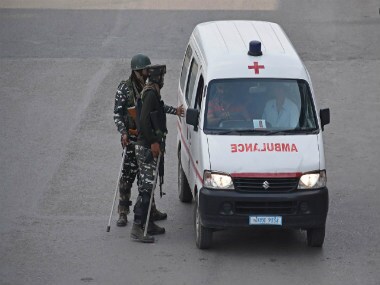 Representational image. Image source: Getty Images.[/caption]It is hard to imagine a day without health services in a world where more than a million people die of road accidents every year and one in every six persons is at risk of stroke. That said, here are five such health services that should not be closed even for a day:
1. Childcare
Children are generally considered to be healthier than adults. Sure, a child of 5 is less likely to get a chronic illness than an adult at 45, but even a small illness could have a long-term impact on a child’s health. For example, a simple ear infection, if left untreated, may lead to hearing loss. Infectious diseases like pneumonia are still the leading cause of pediatric deaths worldwide. Can you imagine how much worse the situation would be if such children did not have easy access to healthcare?2. Maternity
Pregnant women are one of the high-risk groups that need access to good healthcare services 24x7. Appropriate and timely antenatal care not only keeps the mother healthy but also ensures that she gives birth to a healthy baby. According to the World Health Organization, pregnant women should have more frequent contact with their doctors to prevent birth defects, stillbirths and maternal mortality.Needless to say, a baby does not wait for the availability of a doctor to be born. But he/she sure needs the right care in the first 24 hours to stay healthy.3. Emergency medical services
Emergency medical services (EMS) are usually the first services we need in case of an accident, major injury or severe illness and mainly include paramedical and ambulance facilities. EMS ensures that the patient gets all the necessary care and their condition does not worsen until they reach a proper medical facility. Paramedics also tend to people who get severe allergies, trauma or shock (due to a disturbing event or an accident).4. Chemotherapy and other cancer treatments
Cancer patients require regular follow-ups and therapies to keep the disease under control. While missing a single schedule of medicine may not have an immediate effect, skipping multiple chemotherapy sessions may make the cancer resistant to the existing treatment.Also, experts say that missing radiotherapy sessions might increase the patient’s risk of relapse. Both these conditions make it difficult to treat cancer, which ultimately takes a toll on the person’s health.Today's episode of "Voices from the Lockdown" specifically talked about a cancer patient in Kashmir.5. Tertiary care units
Tertiary care facilities are highly specialised and are essential for patients who need extensive hospital care for a long period. They provide services such as trauma surgeries, organ transplants and burn treatment. While tertiary care may not be needed by everybody on a daily basis, for those in need, they could be a matter of life or death. For example, a person with severe burns needs immediate tertiary care since their skin will not regenerate unless it is surgically grafted with a new layer.Health articles in Firstpost are written by myUpchar.com, India’s first and biggest resource for verified medical information. At myUpchar, researchers and journalists work with doctors to bring you information on all things health. For information on the Types of Burns that might need long-term tertiary care, please read our article here.
Stroke is rising among young adults. Doctor explains why it's happening and what you must do
Stroke in young adults, silent symptoms and late diagnosis: India's growing brain health challenge
Brain tumours aren't always fatal, but delayed diagnosis can be: Experts explain the key warning signs
Spices, health and the Indian plate: Why chilli can be good for you—but moderation is still key
Organ donation: 5 myths you need to stop believing, according to a transplant specialist