


In Graphics: Labouring for longevity, can we grow younger?
Ageing is not just about growing older, it drives the risk of major diseases from heart conditions to dementia. Now, scientists are researching a different idea. Instead of treating illnesses one by one, can the body be reset at a cellular level and could that change how we understand disease itself?

As conversations around health, ageing and longevity evolve, the idea of cellular rejuvenation is steadily moving from the realm of advanced science into everyday awareness.
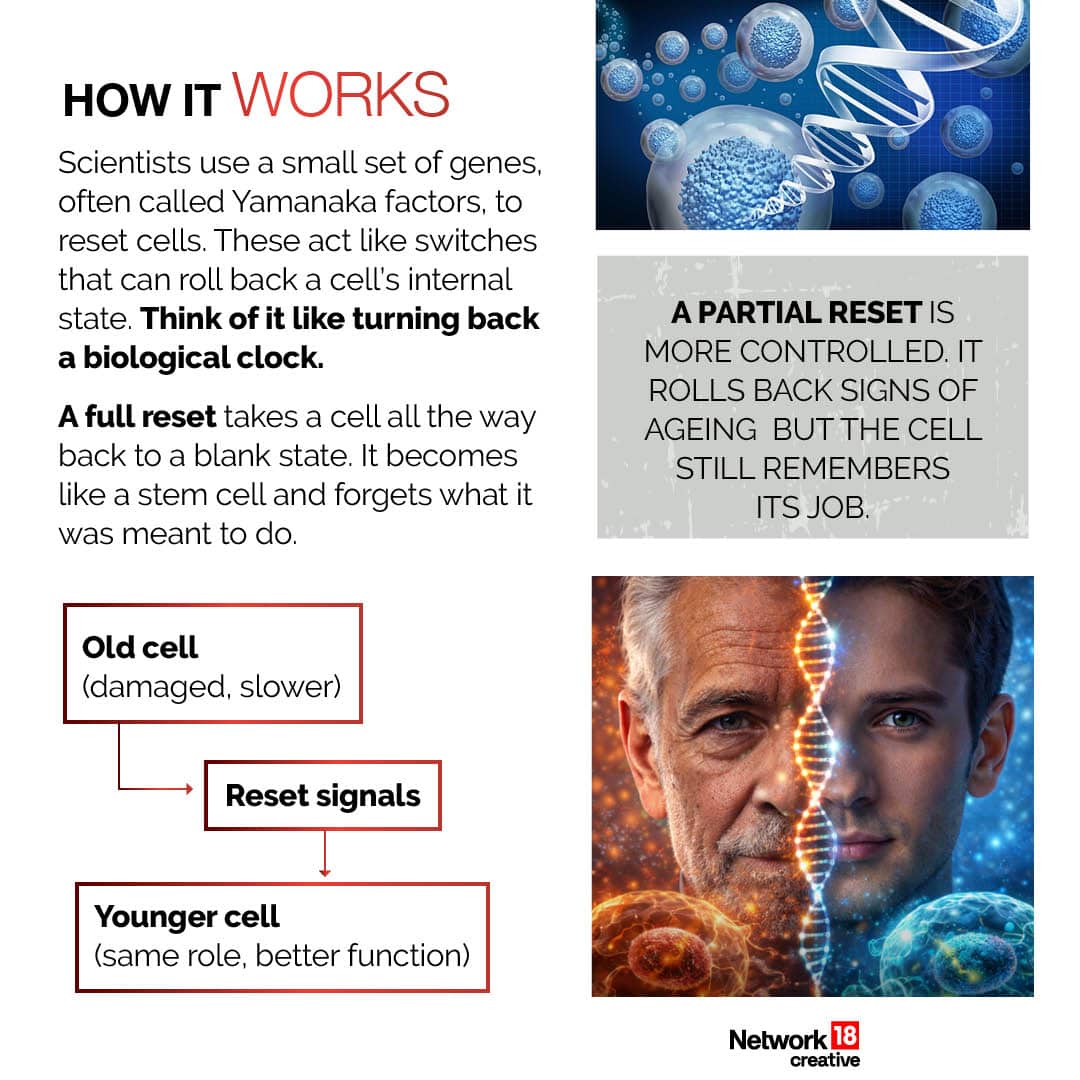
At its core, it refers to restoring cells to a more youthful, functional state, enabling the body to repair damage, sustain energy levels and slow down both visible and internal signs of ageing.
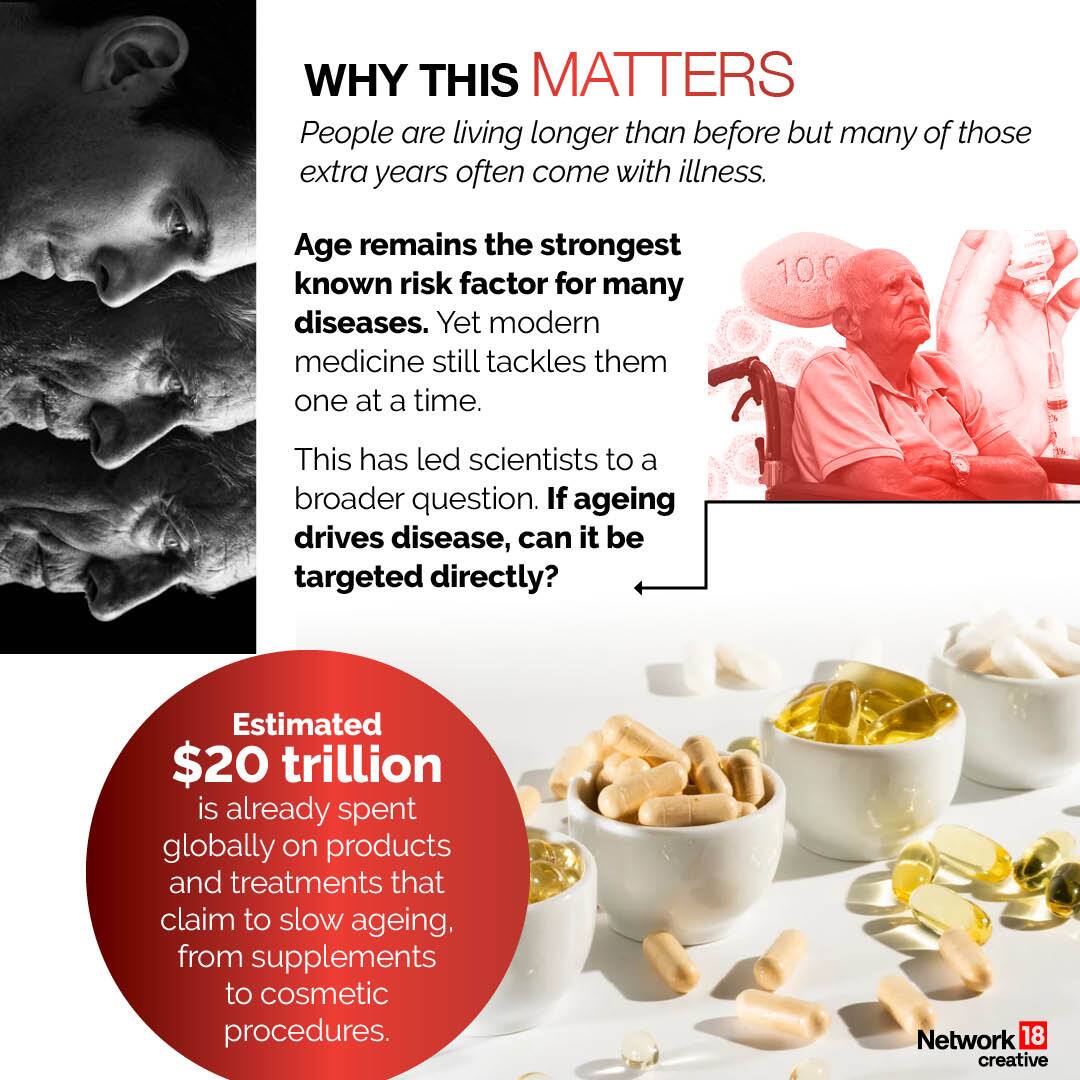
Age remains the strongest known risk factor for many diseases, yet modern medicine continues to treat these conditions one at a time rather than addressing their underlying biological drivers.
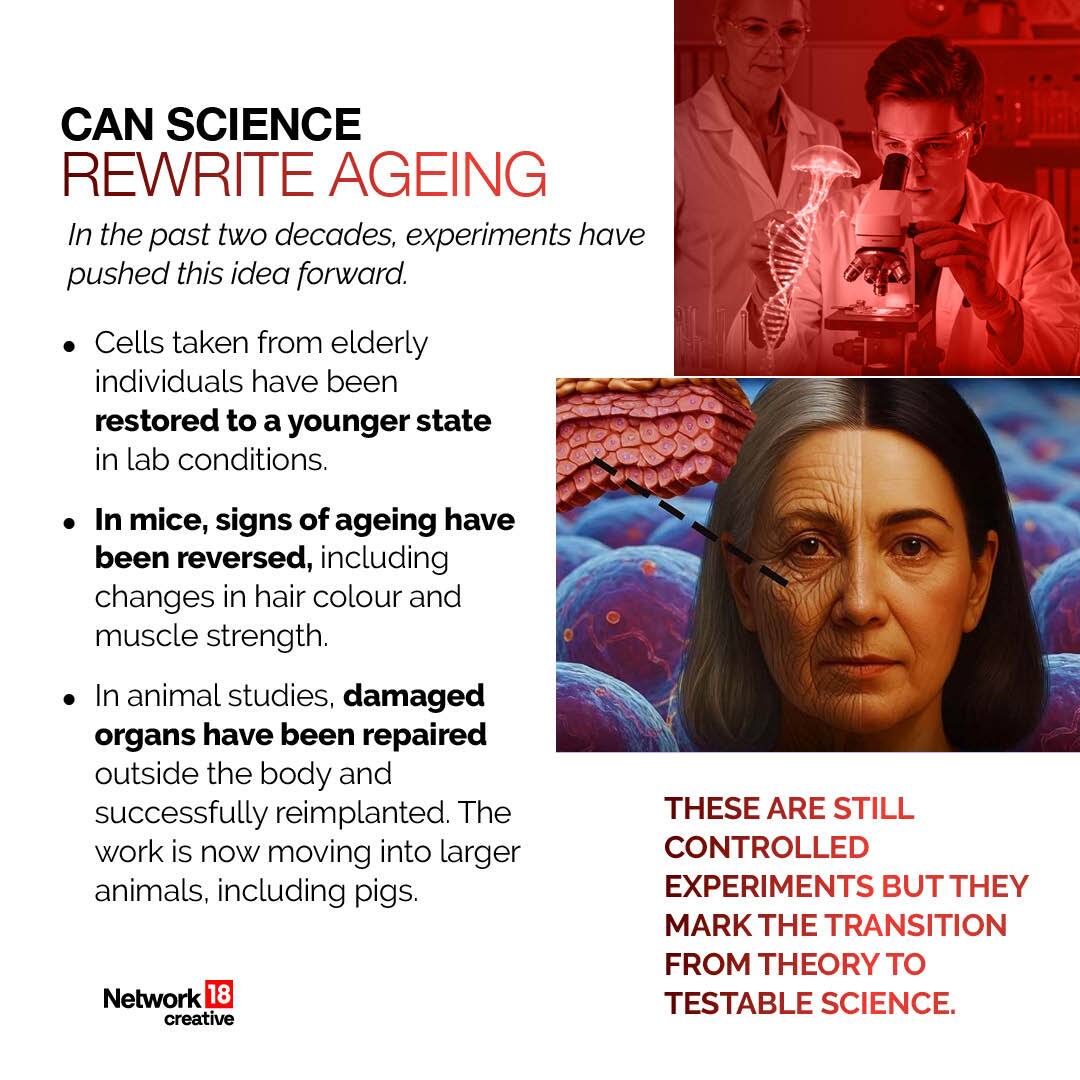
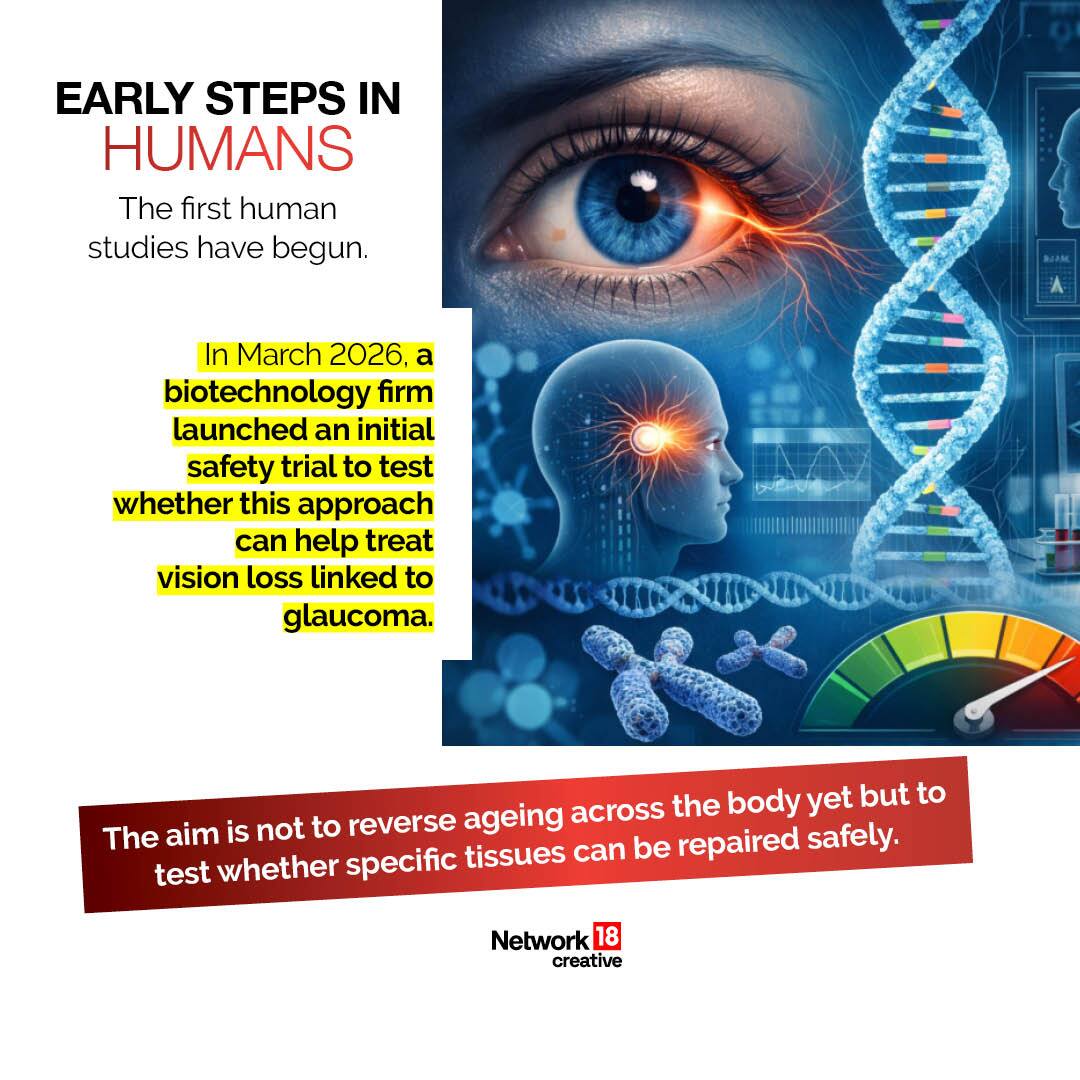
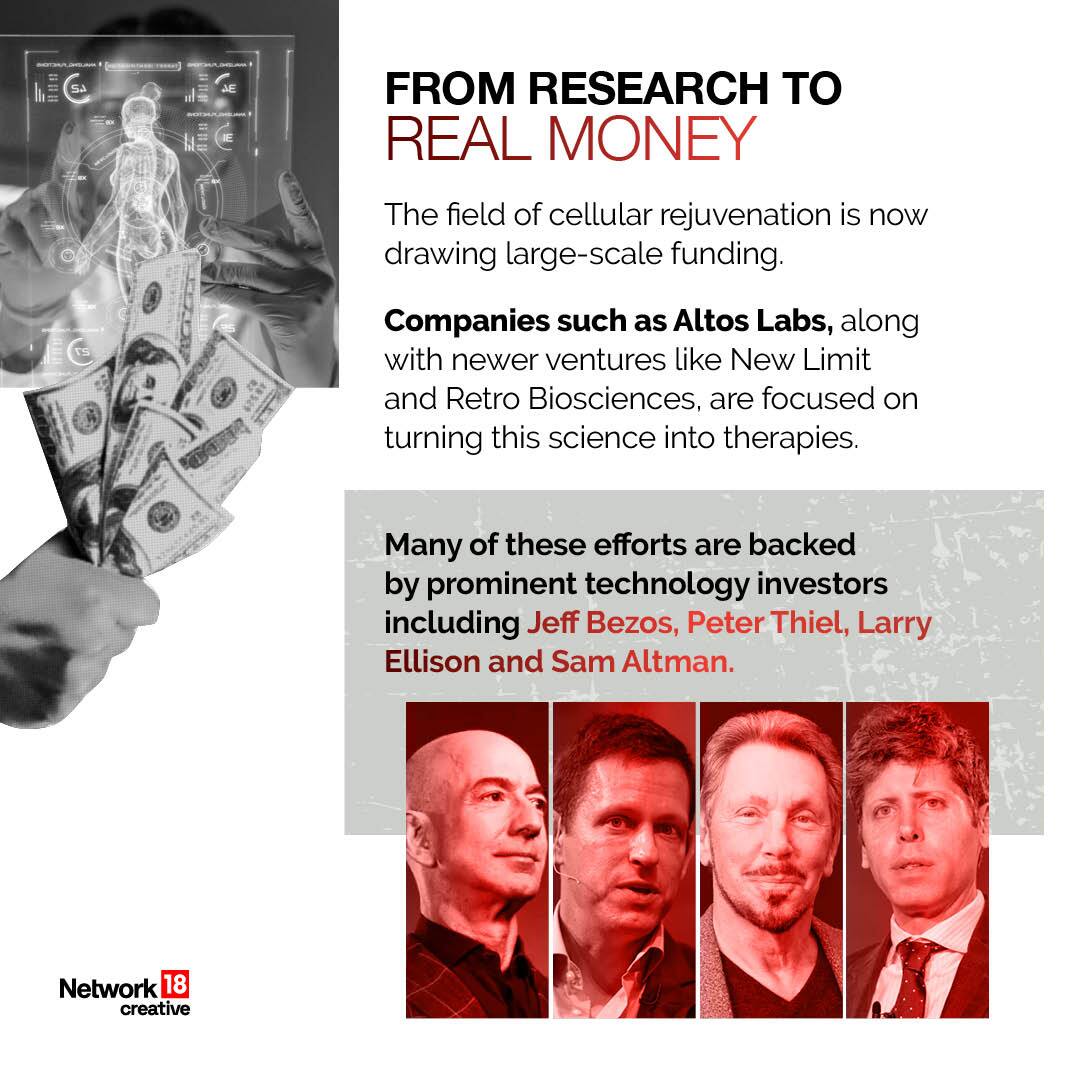
This gap has pushed researchers and biotech firms to explore approaches that focus on the ageing process itself.
Over time, environmental stress, pollution, poor lifestyle habits and natural biological decline contribute to cellular fatigue, a state in which cells lose their ability to regenerate efficiently and perform essential functions.
 More from Health
This gradual slowdown often shows up as reduced vitality, weakened immunity and changes in skin, metabolism and overall wellbeing, making ageing not just a visible process but a systemic one.
In response, both scientific research and wellness trends are increasingly focusing on how targeted interventions can support the body’s innate ability to heal and renew at a cellular level.
From improved nutrition and better sleep cycles to regenerative therapies and emerging medical technologies, the emphasis is shifting towards prevention and restoration rather than isolated treatment.
The concept of cellular rejuvenation therefore extends beyond aesthetics or anti-ageing. It is becoming central to improving long term health outcomes, building resilience and enhancing quality of life.
The following graphics break down key aspects of this process, offering a clearer understanding of how it works and why it is gaining attention across both science and everyday wellness:

Stroke is rising among young adults. Doctor explains why it's happening and what you must do
Stroke in young adults, silent symptoms and late diagnosis: India's growing brain health challenge
Brain tumours aren't always fatal, but delayed diagnosis can be: Experts explain the key warning signs
Spices, health and the Indian plate: Why chilli can be good for you—but moderation is still key
Organ donation: 5 myths you need to stop believing, according to a transplant specialist