


How to tell if your child has computer vision syndrome - Part 1
Computer vision syndrome, also known as digital eye strain, occurs as a result of prolonged exposure to digital screens.

From video-calling their grandparents to watching PJ Masks on Netflix, today most children under five years can operate smartphones, laptops and tablet computers without assistance. (Many refuse to eat unless you put on their favourite episodes of Peppa Pig or Paw Patrol.) Cute as we think this is, their baby eyes aren’t equipped to take a lot of digital strain.Computer vision syndrome, also known as digital eye strain, occurs as a result of prolonged exposure to digital screens. It affects children as much as grown-ups - the youngest patient on record is just three-years-old. In fact, young kids might be at a slight disadvantage to adults in this regard, because most laptops are not made for someone their size.
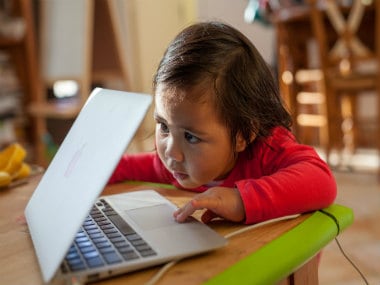
How to tell if your child has computer vision syndrome
Is your child squinting at the screen, rubbing her eyes or blinking too much when she’s not watching TV or a laptop screen? Make a mental note of it and see if it lasts for more than a day or two. Any of these could be early signs of computer vision syndrome. Children aren’t always able to tell us why they are uncomfortable. If your child is rubbing her eyes or blinking rapidly, her eyes might be dry and itchy. Some signs, like redness and continuous tearing, you can see just by looking at her.It's harder to tell if your child's vision is blurry or if she's seeing double - both signs of computer vision syndrome. Try this: If she seems unfocused or unwilling to read her favourite board book, ask her if her vision seems blurry. You can also try holding up two fingers (or three or four) and ask her how many she can see.Additionally, if she complains about pain in the neck and shoulders, don’t dismiss them as growing pains. Ask her if she feels her vision is funny, or whatever her non-scary word for different is.See an eye doctor if these symptoms persist.What makes kids even more vulnerable
Every computer, laptop and phone screen emits blue light. Studies have shown that the effects of blue light on vision can be wide-ranging and potentially damaging, depending on how much time you spend looking at a screen.As the lens of the eye matures, it begins to yellow. This yellow pigment protects our eyes against UV-A and blue light. However, in the case of children, this yellowing hasn’t started yet. Therefore, UV or blue light which enters the eye can strike your child’s retina (which receives the light) at full-strength, exposing both her retina and lens to damage.Excess exposure to blue light suppresses the release of melatonin, the hormone that tells us when it is time to sleep. (If your child has trouble falling asleep, try limiting her screen time - especially just before bedtime.) Lack of deep sleep can, in turn, contribute to behavioural issues in children.If they complain of being tired a lot or if they have difficulty sleeping, ask them if they are experiencing any other signs like dry eyes or blurry vision. Talk to them, comfort them, help them find things they enjoy doing apart from watching TV. Another huge service parents can do their children is let them be bored - it sparks creativity and they’ll probably thank you in their 20s and 30s. This is the first in a two-part series about computer vision syndrome in children. The next article in the series is about how to prevent this in kids. Health articles in Firstpost are written by myUpchar.com, India’s first and biggest resource for verified medical information. At myUpchar, researchers and journalists work with doctors to bring you information on all things health. For more information, please read our article on Dry Eyes: Causes, Symptoms, Prevention.
10,000 steps a day is not enough: Top doctor explains the role of timing
What happens when you stop drinking tea for 30 days? Doctor explains the effects
Stroke is rising among young adults. Doctor explains why it's happening and what you must do
Stroke in young adults, silent symptoms and late diagnosis: India's growing brain health challenge
Brain tumours aren't always fatal, but delayed diagnosis can be: Experts explain the key warning signs