
Advertisement


Sections
How night-time cough is related to asthma and tips to find relief from it
Asthma is a chronic inflammatory condition of the lungs in which the airway become narrow due to swelling in the mucous membrane (or mucosa).

Every year, the first Tuesday of May is observed as World Asthma Day. This year, most of our attention has been focused on COVID-19 and with good reason; but that only makes it all the more essential to not ignore the other respiratory problems one may be suffering from. So in the lead up to World Asthma Day, let's discuss the problem of night-time cough and how it is related to asthma.Asthma is a chronic inflammatory condition of the lungs in which the airway become narrow due to swelling in the mucous membrane (or mucosa). There is also increased production of mucus in the airway.[caption id="attachment_7963861" align="alignleft" width="380"]![Representational image. Image source: Getty Images.]() Representational image. Image source: Getty Images.[/caption]The symptoms of asthma are wheezing (whistling sound from the chest), shortness of breath, chest tightness and cough that varies over time in occurrence, frequency and intensity. It is usually more severe at night.Night-time or nocturnal cough, commonly seen in asthma, not only results in disturbed sleep but can also disrupt one’s following day. The patient might not be able to do the work properly or concentrate and feel irritated throughout the day. The quality of life is disturbed.
Representational image. Image source: Getty Images.[/caption]The symptoms of asthma are wheezing (whistling sound from the chest), shortness of breath, chest tightness and cough that varies over time in occurrence, frequency and intensity. It is usually more severe at night.Night-time or nocturnal cough, commonly seen in asthma, not only results in disturbed sleep but can also disrupt one’s following day. The patient might not be able to do the work properly or concentrate and feel irritated throughout the day. The quality of life is disturbed.
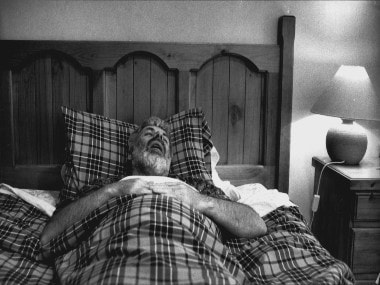 Representational image. Image source: Getty Images.[/caption]The symptoms of asthma are wheezing (whistling sound from the chest), shortness of breath, chest tightness and cough that varies over time in occurrence, frequency and intensity. It is usually more severe at night.Night-time or nocturnal cough, commonly seen in asthma, not only results in disturbed sleep but can also disrupt one’s following day. The patient might not be able to do the work properly or concentrate and feel irritated throughout the day. The quality of life is disturbed.
Reasons for night-time cough in asthma patients:
- Asthma itself can be worse during sleep. Though exact reasons remain unknown, some explanations include increased exposure to allergens, cooling of the airways, being in a reclining position, and hormone secretions that follow a circadian pattern.
- Cough variant asthma is a type of asthma characterized only by a dry cough. Cough can occur both during the day and night but may be more severe at night.
- Allergens in the bedroom or on the bedding can trigger cough by irritating hypersensitive airways.
- Acid reflux can be a coexistent problem in asthmatics, leading to night-time cough.
- Night-time cough can be a sign of uncontrolled asthma due to improper or irregular medication.
- The cough may be a sign of an impending asthma attack.
Ways to get relief from night-time cough
- Proper treatment of asthma or cough-variant asthma: Take proper controller medications regularly even when the symptoms appear to be well controlled. Change in medications should only be done in consultation with a pulmonologist.
- Sleeping in a propped up position: Sleeping in this position prevents post nasal drip and acid reflux to some extent.
- Treating acid reflux: Patients should avoid foods that increase acidity. Do not lie down for at least 90 minutes after meals and take medications if required.
- Drinking tea with honey: This soothes the throat, relieves some of the congestion in the throat, loosens the mucus and gives symptomatic relief from cough.
- Humidification of room: 50% humidity with the help of humidifier can help control irritable cough by soothing the airways.
- Decrease allergens: Cleaning and getting rid of the dust from the bedroom can help decrease night-time cough.
- Use saline or decongestant nasal spray: It helps clear the nasal passages of the allergens, irritants and the mucus. This may also decrease postnasal drip.
Other possible causes of night-time cough
- Acid reflux (also known as heartburn): Acid reflux happens when some of the acidic stomach content goes back into the oesophagus and causes cough, due to irritation in the throat.
- Post-viral (URI) cough: This is usually experienced after common cold or URI (upper respiratory infection). It causes severe cough with night-time symptoms and occurs due to hypersensitivity of the airways.
- Post-nasal drip: This is commonly observed with cold. Mucus secretions from nose drip down into the throat and irritate the windpipe, resulting in cough. The intensity and frequency increase in the lying-down position, meaning during sleep.
- Smoking: Smoking can also cause irritable dry cough along with breathing issues, which can sometimes become very irritating in the night.
First Published:May 04, 2020, 15:29:46 IST
Advertisement
Advertisement

Stroke is rising among young adults. Doctor explains why it's happening and what you must do
Stroke is increasingly affecting adults in their 30s, 40s and 50s. Experts say unhealthy lifestyles, undiagnosed high blood pressure and delayed treatment are driving the rise in younger stroke cases
3 min read
Stroke in young adults, silent symptoms and late diagnosis: India's growing brain health challenge
Neurologists warn that stroke is increasingly affecting people in their 30s and 40s, while many brain disorders progress silently before symptoms appear. They say early diagnosis, timely referrals and healthier lifestyles are key to reducing India's growing neurological disease burden.
5 min read
Brain tumours aren't always fatal, but delayed diagnosis can be: Experts explain the key warning signs
Brain tumours are frequently mistaken for common headaches, stress or age-related cognitive changes. Doctors say recognising warning signs early and adopting a brain-healthy lifestyle can improve outcomes and reduce the risk of long-term neurological complications.
2 min read
Spices, health and the Indian plate: Why chilli can be good for you—but moderation is still key
From boosting metabolism to supporting heart health, chillies offer several surprising health benefits. But experts say the amount you eat matters, and too much spice can do more harm than good.
4 min read
Organ donation: 5 myths you need to stop believing, according to a transplant specialist
Organ donation has the power to transform and save lives, but this can happen only when myths are replaced with facts. Building awareness, having open conversations and understanding the process can help families make informed decisions.
2 min read
Advertisement
Advertisement