
Advertisement


Sections
Here’s how ultra-processed foods impact your health
Research is linking the consumption of ultra-processed foods to a higher risk for obesity, cardiovascular disease, cancer and all-cause mortality.

We know that a packet of chips here and a bottle of cola there can have a lasting impact on health. Yet, despite their health effects, sales volumes are growing. According to a recent, multinational study, South Asia and South-East Asia have seen the biggest jump in sales of ultra-processed food (67.3%) and ultra-processed drinks (120%) in the world.Here's why this trend worries policymakers and healthcare professionals globally:[caption id="attachment_7413261" align="alignleft" width="380"]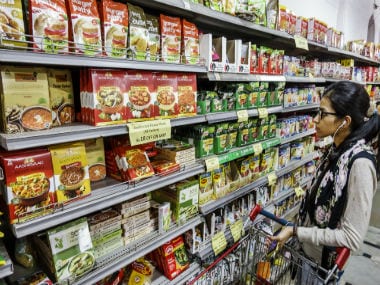 Representational image. Image source: Getty Images.[/caption]
Food groups
A relatively new way of classifying foods, NOVA is a system that categorises food products based on how much they've been processed. Ultra-processed foods and drinks, according to this classification, are “industrial formulations”. They usually have five or more ingredients - some of which are added only to emulate the sensory experience of eating fresh, unprocessed foods.“Examples of typical ultra-processed products are: carbonated drinks; sweet or savoury packaged snacks; ice-cream, chocolate, candies (confectionery); mass-produced packaged breads and buns; margarines and spreads; cookies (biscuits), pastries, cakes, and cake mixes; breakfast ‘cereals’, ‘cereal’ and ‘energy’ bars; ‘energy’ drinks; milk drinks, ‘fruit’ yoghurts and ‘fruit’ drinks; cocoa drinks; meat and chicken extracts and ‘instant’ sauces; infant formulas, follow-on milks, other baby products; ‘health’ and ‘slimming’ products such as powdered or ‘fortified’ meal and dish substitutes; and many ready-to-heat products including pre-prepared pies and pasta and pizza dishes; poultry and fish ‘nuggets’ and ‘sticks’, sausages, burgers, hot dogs, and other reconstituted meat products, and powdered and packaged ‘instant’ soups, noodles and desserts,” wrote Carlos A. Monteiro et al. in World Nutrition, the journal of the U.K.-headquartered World Public Health Nutrition Association.In short, ultra-processed foods are factory-made, they have little to no natural ingredients left in them by the end. Often, the original ingredients are broken up, chemically modified, reassembled and made to look pretty with additives like colours. They’re ready-to-consume foods that are often so palatable, they are borderline addictive.Experts say one way to check whether a packaged food item is ultra-processed is to see if the ingredients list has things that aren’t commonly used in our kitchens. Examples include high-fructose corn syrup and hydrogenated or interesterified oils.Interesterified oils are fats that have been modified at a molecular level, to increase the shelf life of fried foods. Although they were introduced to cut back on trans fats which harm heart health, scientists say that they need to conduct more studies to understand the health impact of interesterified oils.Increasingly, research is linking the consumption of ultra-processed foods to a higher risk for obesity, cardiovascular disease, cancer and all-cause mortality.Obesity risk
Earlier this year, researchers at the reputed National Institutes of Health in the U.S. conducted an experiment. They enrolled 20 overweight grown-ups - mean age, 31.2 years - in a month-long study.They split the group into two - one group ate only ultra-processed foods for two weeks. The other group ate unprocessed or minimally processed foods for this duration. After two weeks, the groups switched diets - the group that was eating ultra-processed foods went on unprocessed foods and vice-versa.The result: People who ate ultra-processed foods consumed an additional 500KCal per day on average. After two weeks, those who ate these foods/drinks put on 900 grams of weight - give or take 300 grams.Those who went off ultra-processed food saw immediate benefits, too - they consumed fewer calories per day and lost about 900 grams in just two weeks.“Body fat mass increased by 0.4 ± 0.1 kg (p = 0.0015) during the ultra-processed diet and decreased by 0.3 ± 0.1 kg during the unprocessed diet (p = 0.05),” wrote Kevin D. Hall et al in “Ultra-Processed Diets Cause Excess Calorie Intake and Weight Gain: An Inpatient Randomized Controlled Trial of Ad Libitum Food Intake”, published in the well-regarded journal Cell Metabolism in May 2019.All-cause death
Scientists at the Center for Human Nutrition, Johns Hopkins Bloomberg School of Public Health, Baltimore, US, tracked the consumption of foods like sweetened drinks, sausages and sweetened cereals in more than 11,000 people aged 20 and above, for 19 years (median).At the end of this period, they collated their data and found that “the highest quartile of frequency of ultra-processed food intake... had a 31% higher risk of all-cause mortality, after adjusting for demographic and socio-economic confounders and health behaviours.”Quartile, of course, is a relative measure - people who had the most regular and long-term habits of consuming ultra-processed foods in this American study had a higher chance of dying from a variety of causes.The researchers published their findings in July 2019, in Public Health Nutrition, a journal of The Nutrition Society of Europe.Researchers have also linked ultra-processed foods and drinks to a higher risk for type 2 diabetes, hypertension and even cancer. Recent studies have also shown that grown-ups who consumed a lot of sugar-based foods in their childhood and adolescence are at greater risk for heart disease.Additionally, the problem of ultra-processed foods is also economic. Researchers have found that ultra-processed foods tend to be cheaper than natural and minimally processed foods. Unless we are cautious about our food choices, many of these ultra-processed foods could find their way into our kitchen cabinets and refrigerators.Health articles in Firstpost are written by myUpchar.com, India’s first and biggest resource for verified medical information. At myUpchar, researchers and journalists work with doctors to bring you information on all things health. For more information, please read our articles on high cholesterol and obesity.First Published:Sep 27, 2019, 13:26:24 IST
Advertisement
Advertisement

Stroke is rising among young adults. Doctor explains why it's happening and what you must do
Stroke is increasingly affecting adults in their 30s, 40s and 50s. Experts say unhealthy lifestyles, undiagnosed high blood pressure and delayed treatment are driving the rise in younger stroke cases
3 min read
Stroke in young adults, silent symptoms and late diagnosis: India's growing brain health challenge
Neurologists warn that stroke is increasingly affecting people in their 30s and 40s, while many brain disorders progress silently before symptoms appear. They say early diagnosis, timely referrals and healthier lifestyles are key to reducing India's growing neurological disease burden.
5 min read
Brain tumours aren't always fatal, but delayed diagnosis can be: Experts explain the key warning signs
Brain tumours are frequently mistaken for common headaches, stress or age-related cognitive changes. Doctors say recognising warning signs early and adopting a brain-healthy lifestyle can improve outcomes and reduce the risk of long-term neurological complications.
2 min read
Spices, health and the Indian plate: Why chilli can be good for you—but moderation is still key
From boosting metabolism to supporting heart health, chillies offer several surprising health benefits. But experts say the amount you eat matters, and too much spice can do more harm than good.
4 min read
Organ donation: 5 myths you need to stop believing, according to a transplant specialist
Organ donation has the power to transform and save lives, but this can happen only when myths are replaced with facts. Building awareness, having open conversations and understanding the process can help families make informed decisions.
2 min read
Advertisement
Advertisement