


Game changer drug hydroxychloroquine is not that game changing for Coronavirus patients: experts
Researchers found that patients that did get the drug did not do any better than those that did not and hence did not make that much of a difference.

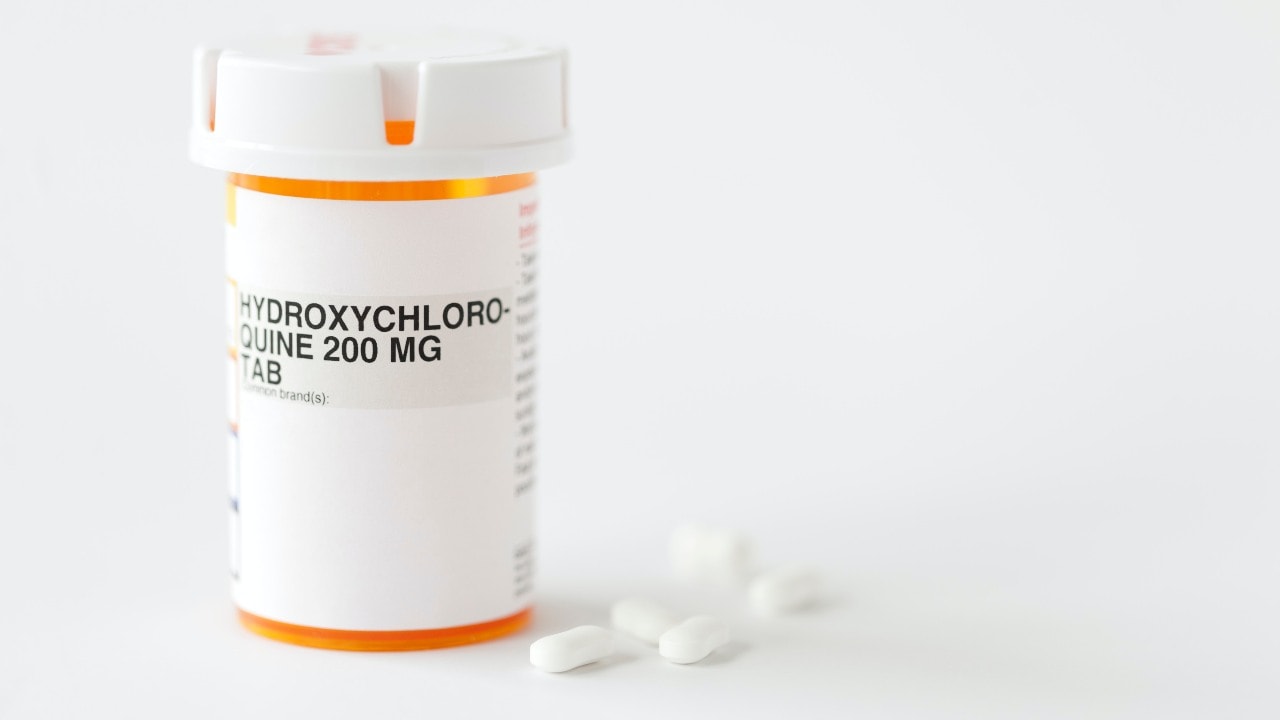
Doctors reported that the use of hydroxychloroquine neither lessened the need for patients requiring breathing assistance nor the risk of death. Image credit: Liliboas / Getty Images/The conversation[/caption]Among patients given hydroxychloroquine, 32.3 percent ended up needing a ventilator or dying, compared with 14.9 percent of patients who were not given the drug.But doctors were more likely to give hydroxychloroquine to sicker patients, so researchers at New York-Presbyterian Hospital and Columbia University Irving Medical Center adjusted the rates to account for that. They concluded that the drug may not have hurt patients, but it clearly did not help.Decades-old hydroxychloroquine, which is also used to treat lupus and rheumatoid arthritis, also showed no benefit when combined with the antibiotic azithromycin, Schluger’s team reported. Azithromycin alone also showed no benefit.Last month, doctors at the US Department of Veterans Affairs reported that hydroxychloroquine did not help COVID-19 patients and might pose a higher risk of death.That analysis of medical records showed a death rate of 28 percent when the drug was given in addition to standard treatments, compared to 11 percent with standard care alone.In the latest study, 811 patients got hydroxychloroquine and 565 did not.Because they were not randomly assigned to receive hydroxychloroquine or a placebo, “the study should not be taken to rule out either benefit or harm” for the drug, researchers said. Randomized trials, the gold standard for tests of new therapies, should continue, they added.But for now, “the guidance in our hospital has changed so we don’t recommend giving hydroxychloroquine to hospitalized patients,” said Dr Schluger, chief of the division of pulmonary, allergy and critical care medicine at Irving.Smaller studies, including one done in China, had suggested hydroxychloroquine might be useful, “but these were tiny studies and not of good quality. People seized on them because patients were dying,” he said.There are currently no approved treatments for COVID-19, although Gilead Sciences Inc’s experimental antiviral drug remdesivir last week receive emergency use authorization from US regulators.

Stroke in young adults, silent symptoms and late diagnosis: India's growing brain health challenge
Brain tumours aren't always fatal, but delayed diagnosis can be: Experts explain the key warning signs
Spices, health and the Indian plate: Why chilli can be good for you—but moderation is still key
Organ donation: 5 myths you need to stop believing, according to a transplant specialist
Fish over meat: Why a pescatarian diet may help people with obesity live longer