


Doctor explains: How meningitis B spreads in social settings and why it’s so dangerous
With meningitis B emerging as a fast-moving and potentially fatal infection in the UK, Firstpost brings out a doctor’s view on how it spreads, the symptoms to watch for and ways to stay protected

A fast-moving outbreak of meningitis B in the United Kingdom has triggered fresh global concern over one of the most aggressive bacterial infections known to medicine, one that can turn fatal within hours if missed.
Centered in Canterbury (Kent) the cluster has already led to dozens of cases and multiple deaths with health officials calling it “unprecedented” in scale and speed. What makes the situation especially alarming is not just the infection itself but how easily it can spread in everyday social settings from shared drinks and vapes to crowded nightlife spaces frequented by young adults.
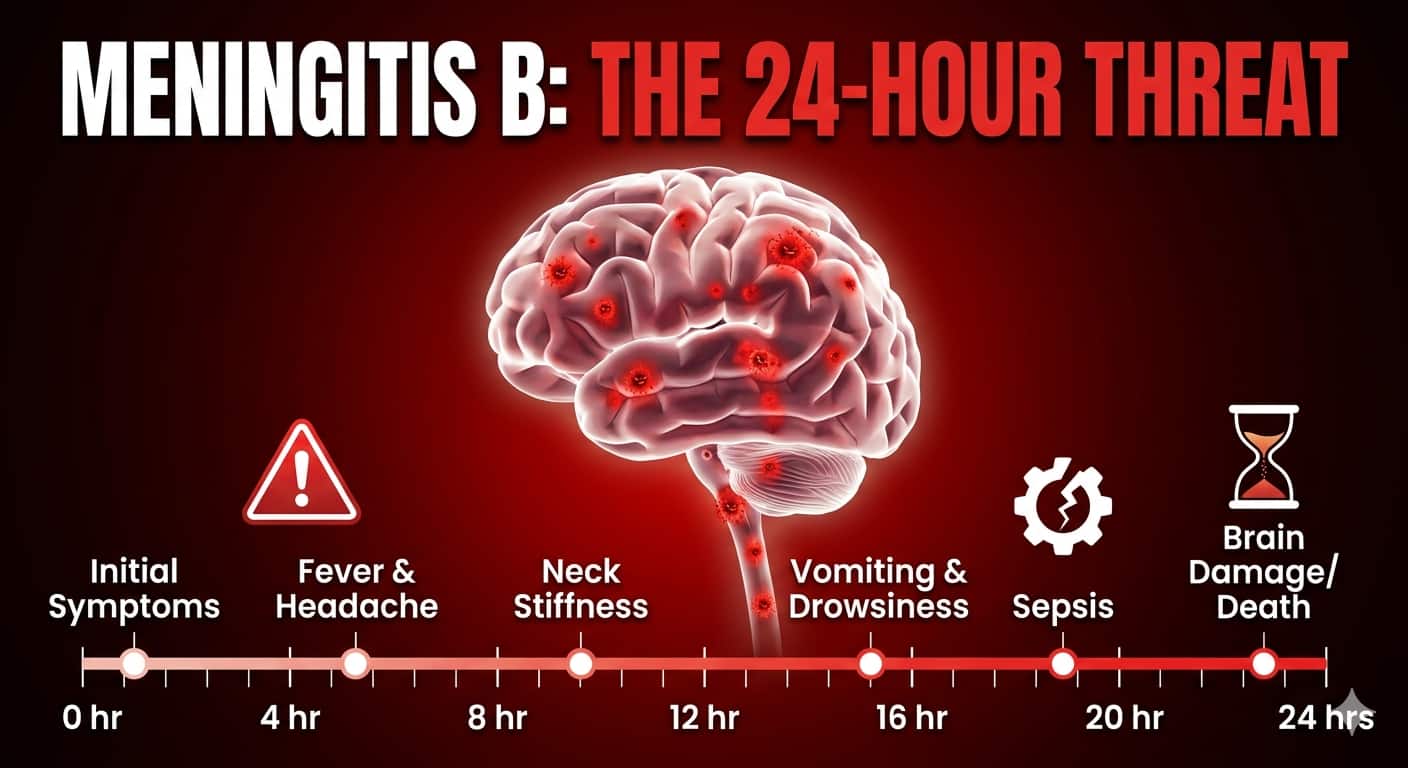
Experts warn that its speed of progression often within 24 hours makes early detection and immediate treatment critical, particularly among young adults in high-contact social settings where transmission risks are higher.
Firstpost talked to By Dr. Sreekanta Swamy, Director – Neurology at Fortis Hospital (Bangalore) to understand the clinical nuances of this outbreak, the risks associated with social behaviours like sharing vapes and how to identify the early, often-overlooked symptoms of this dangerous disease.
 More from Health
What is meningitis B (MenB) and why is it considered particularly dangerous compared to other strains?
Dr Swamy: Meningitis B is a serious bacterial infection caused by Neisseria meningitidis group B, which affects the lining of the brain and spinal cord. The disease presents a high level of danger because its symptoms develop quickly and can result in brain damage, hearing loss, sepsis or death within hours if not treated early. Compared to some other strains, MenB outbreaks are harder to predict and can affect otherwise healthy young individuals.
What specific strain of meningococcal disease (e.g., MenB) has been identified in the lab-confirmed cases and how does it differ from other types?
Dr Swamy: The outbreaks present lab-confirmed cases which show a connection to meningococcal group B strains that have different outer surface protein structures than A, C, W, or Y. The surface differences matter because vaccines create their effects by targeting these proteins, while the MenB strain possesses a complex outer coating which prevents protection through standard meningococcal vaccines used in most national immunisation programs. The common meningitis vaccines which protect against A, C, W, and Y do not provide sufficient defence against group B infection.
Specific vaccines developed for MenB such as Bexsero are required to provide targeted protection. The vaccines aim to protect against the most frequently occurring protein elements which appear in group B strains but the level of defence differs according to the specific variant present during an outbreak.
How is this MenB strain spreading, particularly among 18–21-year-olds linked to the Canterbury nightclub event ?
Dr Swamy: MenB spreads through close contact with respiratory or throat secretions, which allows bacteria to enter through droplets that people emit from their mouths and noses. People who spend extended periods together in places that include nightclubs and college hostels and universities and parties face increased danger. People who engage in activities like kissing, sharing drinks or bottles, cigarettes or vapes together with close face-to-face contact raise their risk of transmission because bacteria spread through their saliva. Young adults face higher vulnerability because their social behavior during this stage leads to group living and regular social events. Meningitis spreads less easily than a common cold, yet the infection can develop into severe conditions after initial contact.
Can meningitis spread through everyday activities like sharing drinks or vaping?
Dr Swamy: Yes, sharing bottles, cigarettes, vapes or utensils can transmit the bacteria. Reducing risk involves avoiding sharing personal items, maintaining hygiene, and staying alert to symptoms after close contact in crowded settings, and seeking medical help immediately if symptoms like fever, severe headache, or unusual drowsiness appear.
What are the earliest symptoms and how critical is the 'golden hour' treatment?
Dr Swamy: Early symptoms may look like flu; fever, headache, vomiting, neck stiffness, sensitivity to light, body pain, or unusual drowsiness. The condition can worsen very quickly, sometimes within 24 hours, which makes early recognition critical.
Immediate medical care is essential. If someone has a high fever with severe headache, confusion, neck stiffness, rash, or difficulty staying awake, they should be taken to hospital urgently. The first few hours, often called the “golden hour,” are crucial because early antibiotics can be lifesaving.
How effective are antibiotics in controlling outbreaks and who should receive them as a preventive measure?
Dr Swamy: Antibiotics are very effective in treating meningococcal infection when given at an early stage and prompt treatment can decrease the possibility of serious complications or death. Doctors recommend preventive antibiotics (chemoprophylaxis) during outbreak situations to protect people who have close contact with infected individuals such as family members, roommates, intimate partners and anyone who has been exposed to infected saliva or respiratory secretions.
This preventive treatment kills throat bacteria before they can develop into an illness or transmit it to other people. The medication usually requires a short treatment period but shows its maximum effectiveness when it gets administered right after someone has been exposed. Along with antibiotics, health authorities may also advise monitoring for symptoms, temporary isolation if needed, and vaccination in high-risk groups to control the spread of infection.
How effective is the existing MenB vaccine (Bexsero) against this outbreak strain?
Dr Swamy: The MenB vaccine, such as Bexsero, provides protection against several common group B strains, though not every single variant. Expanding vaccination to teenagers and young adults is often recommended because this age group has higher exposure in hostels, colleges, and social gatherings.
Is there any risk of this outbreak spreading beyond the currently affected region and should countries like India be concerned or take precautionary measures?
Dr Swamy: The risk of spreading beyond the affected region is usually low but not impossible, especially with travel. Currently in India there is no situation to get panic but surveillance, vaccination awareness, and early diagnosis systems should remain strong to prevent outbreaks.
Universities, hostels, and nightlife venues are higher-risk environments due to close contact and crowding. Authorities should focus on awareness, vaccination campaigns, early testing, and quick isolation of suspected cases, while individuals should avoid sharing drinks and seek care if unwell.
Chandan Prakash is a Chief Sub-Editor with Firstpost. He writes on politics, international affairs, business and economy. He can be contacted at Chandan.Prakash@nw18.com
Tags

10,000 steps a day is not enough: Top doctor explains the role of timing
What happens when you stop drinking tea for 30 days? Doctor explains the effects
Stroke is rising among young adults. Doctor explains why it's happening and what you must do
Stroke in young adults, silent symptoms and late diagnosis: India's growing brain health challenge
Brain tumours aren't always fatal, but delayed diagnosis can be: Experts explain the key warning signs