
Advertisement


Sections
Key coronavirus safety tips: How to quarantine yourself and keep from spreading COVID-19
India has reported 62 cases so far and imposed new travel restrictions to control the spread of the virus.

COVID-19, which originated in Wuhan, China less than three months ago, has spread to 114 countries as of 11 March. On 30 January, the World Health Organisation (WHO) declared it to a public health emergency of international concern. India has reported 62 cases so far and imposed new travel restrictions to control the spread of the virus. One of the things mentioned in the updated travel advisory is for passengers arriving in India, who may have travelled to China, Hong Kong, Republic of Korea, Japan, Italy, Thailand, Singapore, Iran, Malaysia, France, Spain or Germany, to self-quarantine themselves for 14 days since the day of their arrival. This includes anyone who may have already arrived in the last few days as well. [caption id="attachment_7978831" align="alignleft" width="380"]![Representational image. Image source: Getty Images.]() Representational image. Image source: Getty Images.[/caption]If you’re wondering what self-quarantine entails, here are some dos and don’ts:
Representational image. Image source: Getty Images.[/caption]If you’re wondering what self-quarantine entails, here are some dos and don’ts:
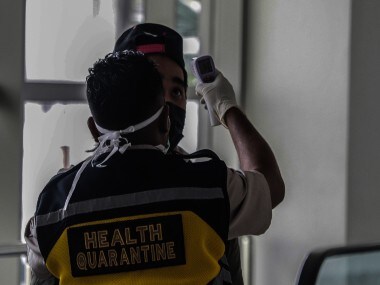 Representational image. Image source: Getty Images.[/caption]If you’re wondering what self-quarantine entails, here are some dos and don’ts:
Dos:
- Try to stay in a separate room and use a separate bathroom, if available. This would minimize the risk of getting exposed to the infection.
- Ask your family members to make a first aid kit for you with all the necessary medications and equipment like a thermometer.
- Exercise daily to keep yourself stress-free and physically active.
- Make sure that you check your temperature at least two times a day with the thermometer.
- Go and seek medical help as soon as you start having respiratory symptoms like cough or difficulty while breathing.
- While sneezing or coughing, place a tissue on your nose and mouth. Then throw that tissue in the dustbin and wash your hands with soap and water for at least 20 seconds.
- You can also use a hand sanitizer with more than 60% alcohol content in it.
- Wear face masks while going to the hospital to prevent the spread of infection.
Don’ts:
- Do not let any visitor meet you before the self-quarantine period ends.
- Do not make any contact with your pet as you can transfer the disease to your pet.
- If you feel that you need medical help, do not go to your regular local doctor. Call any hospital and pre-inform them about your situation. This would help them take precautions to avoid the spread of the virus.
- While going to the hospital, try not to take public transport.
Tips for the people staying with a self-quarantined person:
- Do not come in direct contact with the person for two weeks. You can stay in touch with them through phones or computers.
- Do not share household items like cups, eating utensils, towels, or beddings with the quarantined person.
- Do not touch the used laundry of the quarantined person with your bare hands. You can use gloves to handle the laundry or dirty dishes. Wash their laundry and dirty dishes separately. You can add disinfectant in their laundry.
- Clean all the ‘high-touch surfaces’ like the doorknobs, drawer handles, bathroom fixtures, toilet seats, phones, and tabletops with a high-quality disinfectant.
- Make sure that your house is properly ventilated. Open the windows for better airflow.
First Published:Mar 12, 2020, 11:34:06 IST
Advertisement
Advertisement

10,000 steps a day is not enough: Top doctor explains the role of timing
Walking 10,000 steps a day is beneficial, but experts say timing matters. Short walks after meals and breaking up long periods of sitting may be more effective for blood sugar control and overall metabolic health
3 min read
What happens when you stop drinking tea for 30 days? Doctor explains the effects
Thinking of quitting tea for a month? Experts explain how cutting out caffeine can affect your body, from withdrawal symptoms in the first week to better sleep and improved iron absorption over time.
2 min read
Stroke is rising among young adults. Doctor explains why it's happening and what you must do
Stroke is increasingly affecting adults in their 30s, 40s and 50s. Experts say unhealthy lifestyles, undiagnosed high blood pressure and delayed treatment are driving the rise in younger stroke cases
3 min read
Stroke in young adults, silent symptoms and late diagnosis: India's growing brain health challenge
Neurologists warn that stroke is increasingly affecting people in their 30s and 40s, while many brain disorders progress silently before symptoms appear. They say early diagnosis, timely referrals and healthier lifestyles are key to reducing India's growing neurological disease burden.
5 min read
Brain tumours aren't always fatal, but delayed diagnosis can be: Experts explain the key warning signs
Brain tumours are frequently mistaken for common headaches, stress or age-related cognitive changes. Doctors say recognising warning signs early and adopting a brain-healthy lifestyle can improve outcomes and reduce the risk of long-term neurological complications.
2 min read
Advertisement
Advertisement