


Coronavirus Outbreak: Navy patent low-cost personal protective equipment, moves on to mass production
The PPE developed by the Navy provides protection along with high breathability and is more suitable for hot and humid weather conditions.

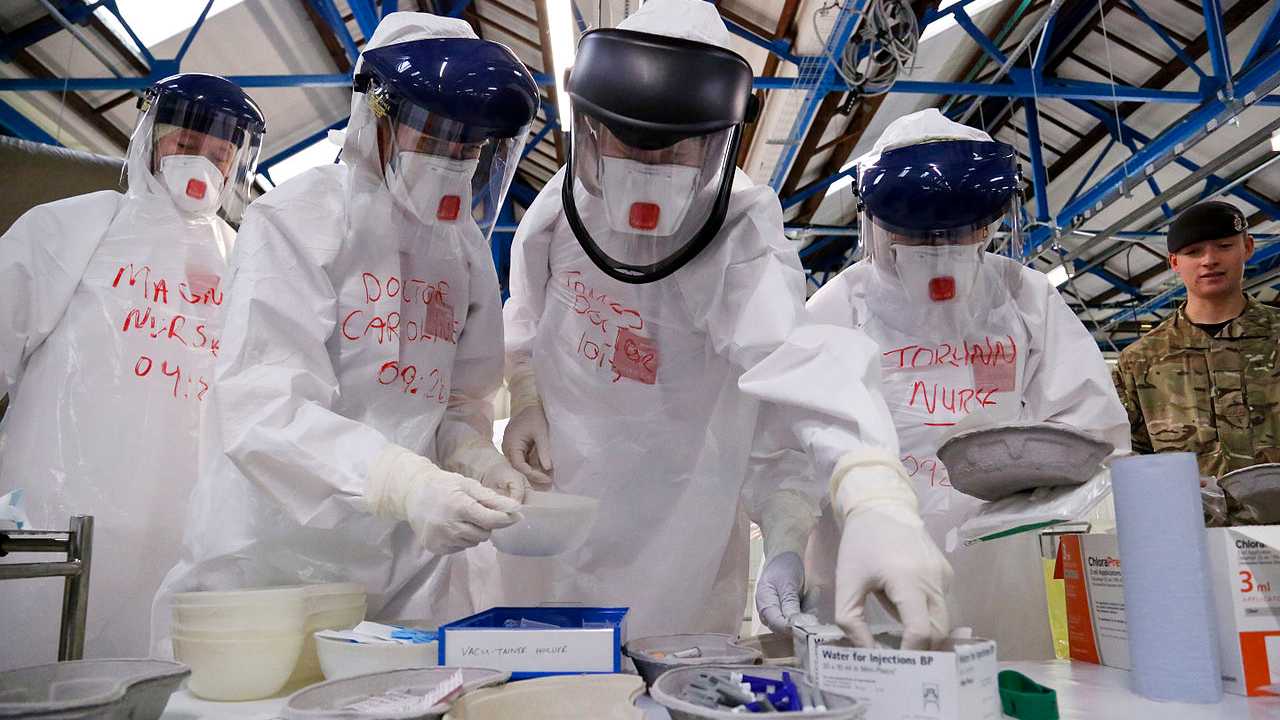
NHS doctors and nurses practise their medical skills wearing full Personal Protective Equipment. image credit: Wikipedia[/caption]On Wednesday, around 100 doctors and paramedic staff of the SVP hospital in Ahmedabad went on a flash strike on the issue of lack of the PPE.The patent was filed by the Defence Ministry in association with the National Research Development Corporation (NRDC), an enterprise under the Ministry of Science and Technology, the Navy said."In a major step towards rapid mass production of the medical PPE developed by the Indian Navy, a patent has been successfully filed by the Intellectual Property Facilitation Cell (IPFC) of Min of Defence, in association with National Research Development Corporation," it said.The PPE developed by the Navy is made of a special fabric which affords a high level of protection along with "high breathability" as against other PPEs available in the market and is, therefore, more suitable for use in hot and humid weather conditions as prevalent in India, the Navy said.It said the technology has also been tested and validated by a testing lab approved by the Indian Council of Medical Research (ICMR).Eligible firms, the Navy said, are being identified by the NRDC for taking up licensed production of the PPEs on a fast track.India has been under lockdown since March 25 to curb the spread of the novel coronavirus, which has infected more than 78,000 persons and killed over 2,500 in the country till now.

Stroke is rising among young adults. Doctor explains why it's happening and what you must do
Stroke in young adults, silent symptoms and late diagnosis: India's growing brain health challenge
Brain tumours aren't always fatal, but delayed diagnosis can be: Experts explain the key warning signs
Spices, health and the Indian plate: Why chilli can be good for you—but moderation is still key
Organ donation: 5 myths you need to stop believing, according to a transplant specialist