


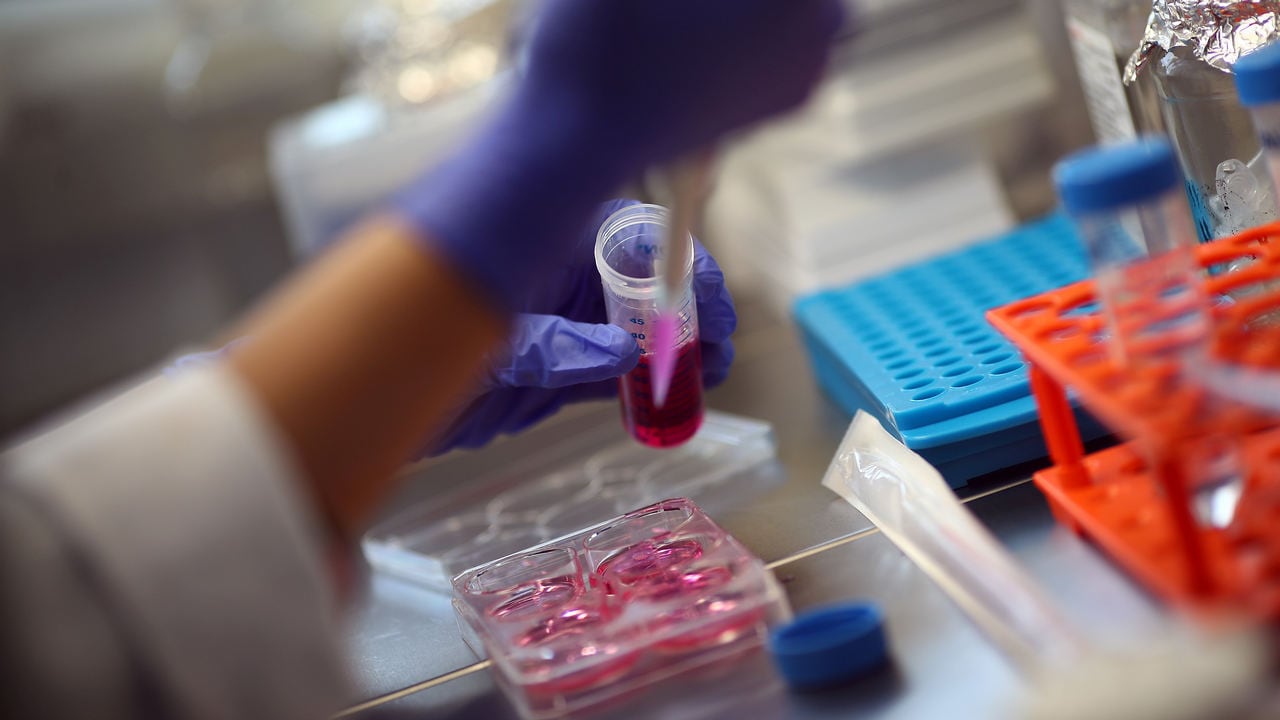
 Testing drugs against the virus is a tedious and time-consuming affair, accelerated a great deal by automation in laboratories. Reuters[/caption]In the new study, the scientists investigated 26 of the coronavirus’ 29 genes, which direct production of the viral proteins. Researchers found 332 human proteins targeted by the coronavirus.Some viral proteins seemed to target just one human protein; other viral proteins are capable of targeting a dozen human cellular proteins.Researchers sought drugs that also latch onto the human proteins that the coronavirus seems to need to enter and replicate in human cells. The team eventually identified 24 drugs approved by the Food and Drug Administration to treat such seemingly unrelated diseases as cancer, Parkinson’s disease and hypertension.On the list were such unexpected candidates as haloperidol, used to treat schizophrenia, and metformin, taken by people with Type 2 diabetes.Investigators also found candidates among compounds that are now in clinical trials or that are the subject of early research. Intriguingly, some of the possible treatments are drugs used to attack parasites.And the list includes antibiotics that kill bacteria by gumming up the cellular machinery they use to build proteins. But some of those drugs also attach to human proteins. The new study raises the possibility that this side effect might turn out to be an anti-viral treatment.[caption id="attachment_6869411" align="alignnone" width="1024"]
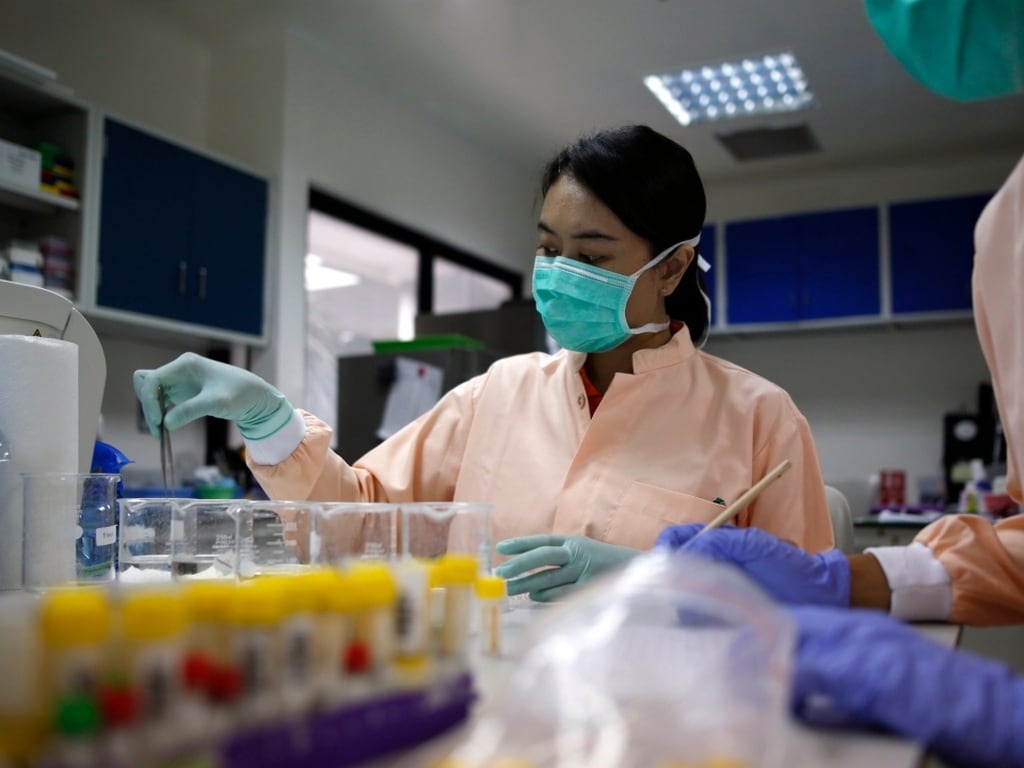 Representational Image. Reuters[/caption]One drug on the list, chloroquine, kills the single-celled parasite that causes malaria. Scientists have long known that it can also attach to a human cellular protein called the sigma-1 receptor. And that receptor is also the target of the virus.Chloroquine has been much in the news this past week, thanks to speculation about its use against the coronavirus — some of which was repeated by President Donald Trump at a news briefing at the White House on Friday.Dr. Anthony Fauci, director of the National Institute of Allergy and Infectious Diseases, followed the president’s remarks with a warning that there was only “anecdotal evidence” that chloroquine might work.
Also Read
study published on bioRxiv website
