


Will new Prime Minister Liz Truss be able to revive UK's crippling economy?
The UK economy is facing a recession by the end of this year, with virtually no economic growth predicted until 2024. Inflation, already at 10 per cent, could rise, according to some forecasters, to over 20 per cent. This will hit public services like health, education and policing

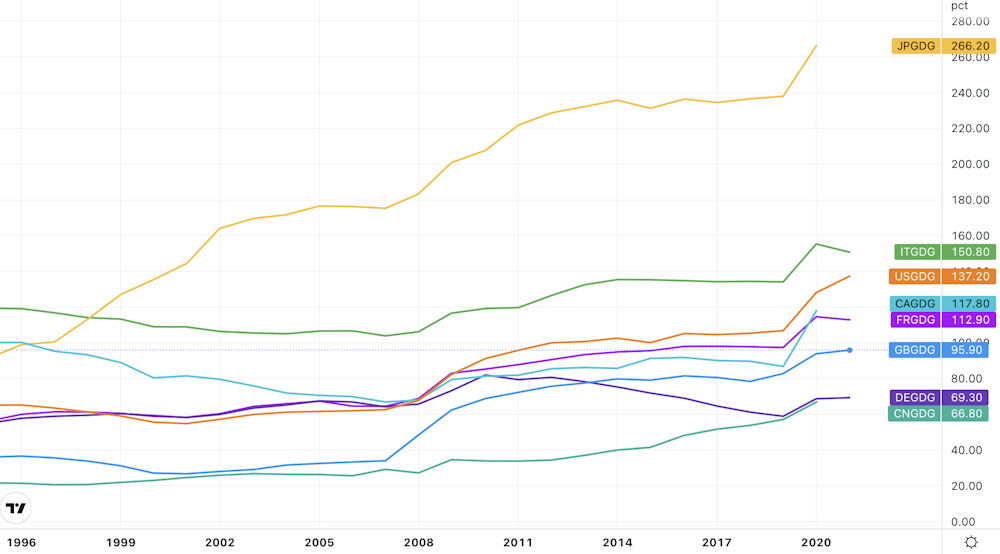
Liz Truss may have won the battle to become Britain’s next prime minister, but don’t expect much time for her to settle into office. People’s living standards are predicted to fall by an unprecedented 10 per cent over the next two years, driven by rising prices of energy and other goods.The UK economy is facing a recession by the end of this year, with virtually no economic growth predicted until 2024. Inflation, already at 10 per cent, could rise, according to some forecasters, to over 20 per cent. This will hit public services like health, education and policing which are already being strained by tight government finances.Meanwhile, the crisis is highlighting the UK’s long-term structural problems: it lags behind rivals in terms of economic growth, inequality and productivity. Real incomes for most households have not grown for the last decade, while there has not been enough investment to raise productivity.Big differences in productivity also underly the gap between London and the south-east compared to the rest of the country, which “levelling up” was aimed at tackling.Who to help?With the average annual household power bill set to nearly double to over £3,500 in October thanks to a steep rise in the energy price cap — and potentially over £6,000 by April — millions more families will be pushed into poverty. While Truss may have won the Tory leadership election by extolling tax cuts and free markets, she says she will introduce emergency measures in her first week in office to tackle the energy crisis which will provide new government support for households and businesses.This will come at a hefty price. Following the latest increase in the energy price cap, merely boosting the existing subsidy package so that it still absorbs three-quarters of the rise in bills will raise the cost to the government from £24 billion to £42 billion. In her campaign, Truss additionally talked about cutting VAT on fuel bills and suspending the “green levy” that everyone pays towards the cost of renewable energy, but these will only be of limited help.She may favour a targeted and temporary approach to giving further assistance, increasing existing grants for pensioners and those on benefits as the cap rises further. But the politics are such that directly tackling the price of energy may also be necessary, perhaps via the Labour party’s proposal to freeze the price cap for six months. That would cost £38 billion, and even more if energy prices keep rising in the meantime.TrussonomicsThe new government has also pledged to introduce an emergency budget within a month to reverse the recent increase in national insurance contributions and stop the corporation tax increase scheduled for April 2023, which will cost £13 billion and £17 billion respectively. This immediately wipes out the projected “fiscal headroom” of £30 billion projected in March by the government’s Office of Budget Responsibility (OBR), even before taking into account a coming recession reducing tax revenues and requiring increased spending on benefits.Yet these moves will have a limited effect on the cost of living. More radical tax cuts such as an overall cut in VAT or income tax would cost much more. For example, Truss’s suggestion of a 5 per cent cut in VAT duty would cost £38 billion. At the same time, her government seems intent on weakening the fiscal rules that have previously guided spending decisions.Many economists believe that stimulating the economy with big tax cuts and extra spending would further increase inflation, forcing the Bank of England to raise interest rates higher and do more damage to growth. Then there is government debt, which already stands at 100 per cent of GDP. Truss has argued that since rivals like the US and Canada are even more indebted, the UK can raise debt higher.Major economies’ public debt to GDP
 This article is republished from The Conversation under a Creative Commons license. Read the original article.Read all the Latest News, Trending News, Cricket News, Bollywood News,India News and Entertainment News here. Follow us on Facebook, Twitter and Instagram.
How a 27-year-old woman broke the internet during Mumbai's CJP protests
The Great Covid Fraud: How Indian-origin couple in UK funded lavish lifestyle through fake PPE orders
Fake jobs, tourist visas: Inside Russia’s vast network luring foreigners to fight Ukraine war
Why has Bangladesh’s choice of India spokespersons raised eyebrows?
Who is Sandeep Lamba, the Delhi cop removed from protest site duty after slapping female protester?