


Orders that are never delivered: How South Korea’s Gen-Zs are turning to ‘dopamine sites’ to ease stress
According to reports, South Korean Gen-Zs are increasingly using 'dopamine sites,' online platforms that mimic shopping and food delivery apps, but never complete real purchases. The youth argues that the process relieves stress and helps resist late-night cravings

South Korean youths are turning to "dopamine sites" for quick comfort.
They are finding relief and experiencing joy with a fake delivery app and online smoke breaks. A fake delivery app means the site doesn’t allow orders. Gen Z chooses the food they want, drops it in the cart, but with no pressure to press the order button.
It's a process that relieves a little stress and gives the feeling of actually ordering something when you don't.
A fake food app for quick comfort
Kim, a 25-year-old office worker, opens a site at 2 am that appears to be a food delivery app. Kim is having a late-night craving, but has no plan to place an order. So, what does he do?
 More from Explainers
He selects menu items, adds them to a cart, and completes the order. "It somehow feels like I actually ordered something," he said, adding that the habit helps him resist late-night cravings, the Korean Times reported.
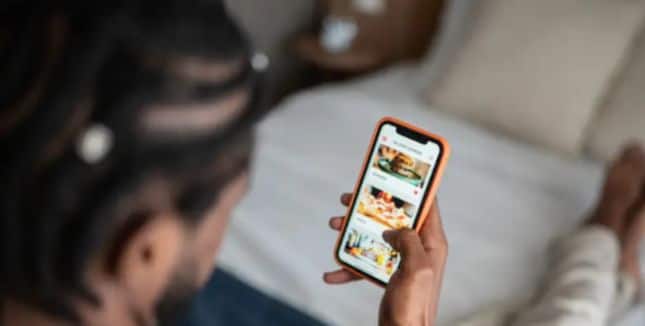
“The site doesn’t allow orders anyway, so I can keep browsing without pressure. It feels like looking at food photos online. As I browse, my mood somehow gets a little better.” Kim said. "I don't end up ordering anything, but it feels like it relieves a little stress."
"Zoning out for a moment," that's how he describes these fake delivery sites.
"Dopamine sites," - online spaces like these offer sudden comfort and are spreading among Gen Z in Korea. The fake food delivery app recreates the experience of using a food delivery app without actually paying or placing an order.
It makes a user feel like a real app with features like listing and star rating, but the only missing step is "order." Feel the satisfaction of ordering food without the cost.
Another platform, named after the Korean slang for a smoke break, works in the same. Users simply click a “start” button and can see in real time who else is online, creating a shared sense of taking a break together—without actually smoking.
Short break that helps Gen Z rest
Users who are active on these apps say it's not, it's just "jokes." They describe these sites as "short breaks" that remove mental clutter and stress, and help reset.
Lee, a 24-year-old college student, goes to the smoking site during exam periods or when he is unable to focus while working on assignments.
"I'm not actually smoking, but it feels like I'm taking a break with someone, so it's strangely comforting," Lee said, as reported by the Korean Times. According to Lee, it also relieves the loneliness of studying alone. “When I go on the site while studying alone, it feels like other people are struggling, too, so I somehow feel less lonely."
Expert on young Koreans turning to ‘dopamine sites'
Kim Heon-sik, a professor at Jungwon University, said the growing popularity of these platforms reflects a broader online culture shaped by a constant demand for stimulation and engagement.
The professor also compared this phenomenon among Gen Z to watching "mukbang," an online show where people watch individuals consume large amounts of food to satisfy their appetites without actually eating in reality.
"Recently, there has been more content that lets people indirectly experience things such as alcohol, cigarettes and food. These sites also reflect a desire to experience a similar satisfaction or atmosphere without partaking in real life," Kim noted, according to the news outlet.
According to the professor, the trend shows fatigue and anxiety among youth.
"This is an era marked by uncertainty about the future and burnout. People now tend to find comfort simply in feeling loosely connected online. Even a faint sense of shared presence can matter."
"Even the sense that others are connected at the same time, regardless of who they are, can make people feel that their loneliness and anxiety have eased. Not having to form burdensome relationships also feels comfortable for young people," the publication quoted Kim as saying.
With inputs from agencies
Tags

How a 27-year-old woman broke the internet during Mumbai's CJP protests
The Great Covid Fraud: How Indian-origin couple in UK funded lavish lifestyle through fake PPE orders
Fake jobs, tourist visas: Inside Russia’s vast network luring foreigners to fight Ukraine war
Why has Bangladesh’s choice of India spokespersons raised eyebrows?
Who is Sandeep Lamba, the Delhi cop removed from protest site duty after slapping female protester?