


Israel to install Shivaji statue. What's the link between the Maratha king and Jews?
Yaniv Revach, Israel's Consul General in Mumbai, has said the statue of Chhatrapati Shivaji Maharaj in Israel will help strengthen people-to-people ties. He added that the decision was influenced by Prime Minister Narendra Modi’s historic visit to Israel and that it would help create awareness about Shivaji among Israelis

Israel has announced plans to install a statue of Chhatrapati Shivaji Maharaj.
Yaniv Revach, Israel's Consul General in Mumbai, made the announcement last week on the occasion of Shiv Rajyabhishek Din — the anniversary of Chhatrapati Shivaji Maharaj’s coronation on June 6, 1674.
Revach said that Israel has asked Maharashtra Chief Minister Devendra Fadnavis to assist with historical references, artistic consultation, and design considerations to ensure the memorial is worthy of Shivaji’s legacy, adding that he “immediately agreed to provide it”.
But what do we know? Why is Israel installing a Shivaji statue?
Let’s take a closer look.
The Jews and India
First, it is important to understand the long-standing relationship between Jews and India.
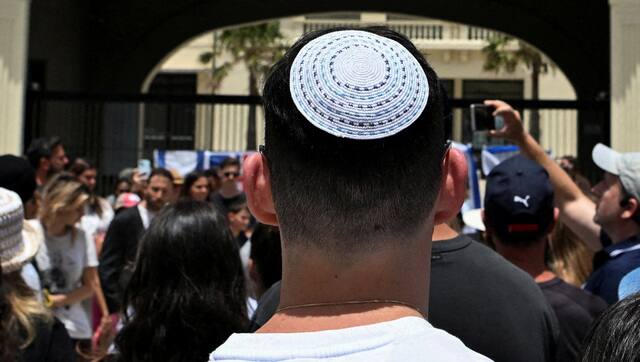
According to India Today, although Jews faced persecution in many parts of the world over the centuries, India was one of the few places where they felt safe and secure. The relationship between Jews and India dates back thousands of years. This includes the Marathi-speaking Bene Israel community of the Konkan coast, as well as Jewish merchants who travelled to India.
 More from Explainers
The Bene Israel, one of India’s oldest Jewish communities, are believed to have fled Galilee during the reign of the Seleucid ruler Antiochus Epiphanes and were shipwrecked off the coast of Maharashtra. The survivors, comprising 14 men and women, settled in the Konkan region. They worked in occupations such as oil-pressing and grocery trading, while strictly observing the Jewish Sabbath.
Over time, they learned the local language and incorporated local customs into their daily lives. According to reports, members of the Bene Israel community even served in Shivaji’s army in the 17th century.
Some have drawn comparisons between Chhatrapati Shivaji Maharaj and Judas Maccabeus, a key figure in Jewish history. A blog in The Times of Israel noted how Shivaji challenged the Mughal emperor Aurangzeb, while Judas Maccabeus took on Seleucid ruler Antiochus IV Epiphanes to preserve Jewish identity.
“Judas Maccabeus defended his country from invasion by the Seleucid king Antiochus IV Epiphanes, preventing the imposition of Hellenism upon Judaea and preserving the Jewish religion. Similarly, Chhatrapati Shivaji defended his country from invasion by the Mughal emperor Aurangzeb, protecting his kingdom and its pluralistic character,” the blog noted.
The Bene Israel are not the only Jewish community in India. The other main groups include the Cochin Jews and the Baghdadi Jews, according to a research paper from California State University, East Bay.
The Cochin Jews, based in Kerala, trace their ancestry to Jerusalem, fleeing after the Roman destruction of the Second Temple in 70 AD. They migrated to India over time and established thriving communities.
Meanwhile, the Baghdadi Jews arrived in India in the 18th century from Arabic- and Persian-speaking regions. Many fled religious persecution and came in search of better business opportunities, settling in major commercial centres such as Mumbai, Calcutta, Surat and Rangoon.
The research paper also highlights that India historically saw little to no anti-Semitism, making it a unique environment for Jewish communities to live and integrate.
Why Israel is installing a Shivaji statue
Revach has said the statue will help strengthen people-to-people ties between India and Israel.
“We understand exactly what the influence is and how important Chhatrapati Shivaji Maharaj is to India. The idea is to build a large statue of the Maharaj and install it in Israel. It will be more than just a regular project — it is intended as a long-term initiative to connect Indian and Israeli people,” Revach told ANI.
In an earlier letter to Fadnavis, he wrote: “We believe that a statue of Chhatrapati Shivaji Maharaj in Israel would serve as a powerful symbol of the close ties between Israel and India. Such a monument would be especially meaningful given the historical links between Maharashtra and the Indian Jewish community, many of whose descendants today contribute significantly to Israeli society.”
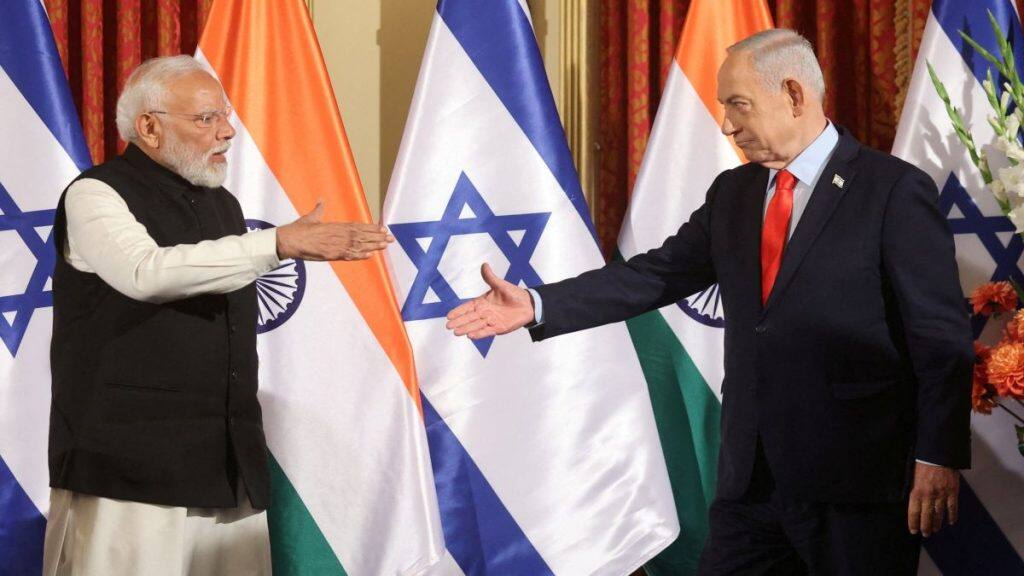
Revach said the decision was influenced by Prime Minister Narendra Modi’s historic visit to Israel. “Following the historic visit of PM Narendra Modi to Israel, the government decided to make special efforts to bring people from our two countries closer together. After coming to Mumbai, I began reading about the history of the Maratha Empire. Chhatrapati Shivaji Maharaj is revered not only as its founder but also as an extraordinary leader whose vision of good governance, courage, religious tolerance, naval strength and protection of his people continues to inspire generations,” he said.
He added that the statue would help create awareness about Shivaji among Israelis.
“Wherever I travel in India, I see deep respect for Israel and our national heroes. We must make similar efforts to raise awareness about Chhatrapati Shivaji Maharaj in Israel. In this spirit of friendship, the Consulate General of Israel in Mumbai has decided to install this statue,” he added.
Fadnavis has offered his full support for the project. “This is huge news! On the auspicious occasion of Shiv Rajyabhishek Din, heartfelt thanks to Israel’s Consul General Yaniv Revach for this historic announcement. The Maharashtra government will extend complete support for this initiative. Jai Bhavani, Jai Shivaji!” he said.
FAQs
1. Why is Israel installing a Shivaji statue?
Israel aims to strengthen people-to-people ties with India and highlight historical links between Maharashtra and the Indian Jewish community, many of whom now live in Israel.
2. What is the connection between Shivaji and Jews in India?
Members of the Bene Israel Jewish community, which settled in Maharashtra centuries ago, are believed to have served in Shivaji’s army, reflecting historical links between the two.
3. Why is India significant in Jewish history?
India is considered unique because Jewish communities lived there for centuries without widespread persecution, integrating into society while preserving their religious identity.
With inputs from agencies
Tags

How a 27-year-old woman broke the internet during Mumbai's CJP protests
The Great Covid Fraud: How Indian-origin couple in UK funded lavish lifestyle through fake PPE orders
Fake jobs, tourist visas: Inside Russia’s vast network luring foreigners to fight Ukraine war
Why has Bangladesh’s choice of India spokespersons raised eyebrows?
Who is Sandeep Lamba, the Delhi cop removed from protest site duty after slapping female protester?