
Advertisement


Sections
Canadian province decriminalises cocaine, heroin: Which countries allow possession of hard drugs?
Canada’s province of British Columbia has undertaken a three-year experiment of decriminalising small amounts of drugs, including cocaine, heroin and MDMA. It is following other countries such as Portugal and Uruguay and even the US state of Oregon where some, if not all drugs, are allowed

It almost seems like if you can’t beat them, join them. Canada’s province of British Columbia is conducting a three-year experiment with drugs. Starting 31 January, people over the age of 18 can possess up to 2.5 grams of opioids, cocaine, methamphetamine, and MDMA without arrest, seizure, or charge.The government, however, stated that sellers and traffickers of hard drugs will face criminal prosecution during the three-year pilot project.Federal minister of mental health and addictions Carolyn Bennett called the move “a monumental shift in drug policy that favours fostering trusting and supportive relationships in health and social services over further criminalisation”.The move has been hailed by many and state that it’s a step in the right direction in the war against drugs. “Decriminalising people who use drugs breaks down the fear and shame associated with substance use and ensures they feel safer reaching out for life-saving supports,” said Jennifer Whiteside, the British Columbia minister for mental health and addictions.Advocates for the plan hope it will address a spike in drug overdose deaths which has left 10,000 people dead in British Columbia since 2016, when the country declared drug related deaths a public health emergency. That represents about six people dying each day from toxic drug poisoning in the province of five million people, topping COVID-19 deaths at the onset of the pandemic.However, Canada’s move isn’t a first of its kind. There are other countries that have decriminalised drugs — and found success. In fact, there are many who believe that decriminalisation is the first step in the war against drugs and is more effective than bringing law enforcement into the equation. As Kofi Annan, former secretary-general of the United Nations, once said, “A criminal record for a young person for a minor drug offence can be a far greater threat to their well-being than occasional drug use.”PortugalTwo decades ago, Portugal was in the grip of heroin addiction. An estimated one per cent of the population — bankers, students, socialites — were hooked on heroin and Portugal had the highest rate of HIV infection in the entire European Union.To fight this situation, Portugal introduced increasingly harsh criminal justice policies due to which by the late 1990s, about half the people in prison were there for drug-related reasons. Realising this wasn’t working, in 2001, Portugal took a radical step. It became the first country in the world to decriminalise the consumption of all drugs.The drug crisis soon stabilised, and in the consequent years, the country saw a dramatic drop in drug use, HIV and hepatitis infection rates, overdose deaths, drug-related crime and incarceration rates.So, how does it work in Portugal? As per the law, drug dealers go to prison. However, anyone caught with a less than 10-day supply of any kind of drug — ‘hard’ or ‘soft’ — is sent to a local commission consisting of a doctor, lawyer and social worker. It is there that the person caught is taught about treatment and medical services.Today, Portugal has one of the lowest drug-related death-rates in Western Europe and drug use among young people is below the European average.[caption id="attachment_12088902" align="alignnone" width="640"]![]() , Portugal has one of the lowest drug-related death-rates in Western Europe and drug use among young people is below the European average. AFP[/caption]The NetherlandsIn the Netherlands, it is against the law to possess, sell or produce drugs. However, the government tolerates the sale of soft drugs in so-called ‘coffee shops’.The term ‘coffee shop’ is an establishment where cannabis is sold subject to certain strict conditions, but no alcoholic drinks are sold or consumed. Cannabis has been available in coffee shops in the Netherlands since 1976.SwitzerlandIn the ’80s, Platzspitz Park in Zurich was best known by the nickname “Needle Park.” This is because it was hijacked by thousands of heroin users and dealers. The space became one of the most famous examples of Switzerland’s “open drug” scenes. And ‘Needle Park’ was just a small part of a bigger problem in Switzerland — the country witnessed a high rise in HIV infections and drug overdose deaths.Then, in 1994, it took a groundbreaking step by prescribing pharmaceutical-grade heroin to long-term users. The country allows addicts to visit a specialised centre to receive a daily dose of the drug. The injections take place on site, under the supervision of a medical team.With this step, Switzerland saw fewer overdose deaths, as well as falling rates of HIV and Hepatitis C infections. The country also saw a drop in crimes. Experts say that the methadone and heroin substitution programs have helped people dependent on heroin live an almost normal life. “Without this program, I would have died a long time ago,” Evelyn, who has been receiving prescription heroin for 20 years, was quoted as telling SwissInfo.Jean-Félix Savary, secretary general of the Romand Group of Addiction Studies (GREA) in Geneva, said, “The outcome is: you don’t have people on the street (using drugs), you don’t have people dying from overdoses in the street or in private places… And there is a very good relationship between the people (using drugs) and the health sector.”[caption id="attachment_12088972" align="alignnone" width="640"]
, Portugal has one of the lowest drug-related death-rates in Western Europe and drug use among young people is below the European average. AFP[/caption]The NetherlandsIn the Netherlands, it is against the law to possess, sell or produce drugs. However, the government tolerates the sale of soft drugs in so-called ‘coffee shops’.The term ‘coffee shop’ is an establishment where cannabis is sold subject to certain strict conditions, but no alcoholic drinks are sold or consumed. Cannabis has been available in coffee shops in the Netherlands since 1976.SwitzerlandIn the ’80s, Platzspitz Park in Zurich was best known by the nickname “Needle Park.” This is because it was hijacked by thousands of heroin users and dealers. The space became one of the most famous examples of Switzerland’s “open drug” scenes. And ‘Needle Park’ was just a small part of a bigger problem in Switzerland — the country witnessed a high rise in HIV infections and drug overdose deaths.Then, in 1994, it took a groundbreaking step by prescribing pharmaceutical-grade heroin to long-term users. The country allows addicts to visit a specialised centre to receive a daily dose of the drug. The injections take place on site, under the supervision of a medical team.With this step, Switzerland saw fewer overdose deaths, as well as falling rates of HIV and Hepatitis C infections. The country also saw a drop in crimes. Experts say that the methadone and heroin substitution programs have helped people dependent on heroin live an almost normal life. “Without this program, I would have died a long time ago,” Evelyn, who has been receiving prescription heroin for 20 years, was quoted as telling SwissInfo.Jean-Félix Savary, secretary general of the Romand Group of Addiction Studies (GREA) in Geneva, said, “The outcome is: you don’t have people on the street (using drugs), you don’t have people dying from overdoses in the street or in private places… And there is a very good relationship between the people (using drugs) and the health sector.”[caption id="attachment_12088972" align="alignnone" width="640"]![]() Switzerland took a groundbreaking step toward safe supply in 1994 by prescribing pharmaceutical-grade heroin to long-term users. AFP[/caption]Czech RepublicIn the eastern European nation, drug use is not an offence, and possession of small quantities for personal use is a non-criminal offence. In fact, legally, people in Czech Republic are allowed to have up to five marijuana plants and small amounts of cocaine. These policies have seen a reduction in the country’s drug use and overdoses.UruguayIn 2013, the South American nation of Uruguay became the first world country to legalise manufacture, sale and use of marijuana. As per the law, Uruguayan citizens older than 18 years old are allowed to buy up to 40 grams of marijuana a month in drugstores and grow up to six plants themselves. Those who go over the allowed amount are committing a criminal offense punishable by 20 months to 10 years of jail time.The government says that by legalising marijuana they are cutting the budget for housing criminals. Moreover, the move prevents people from using heavier drugs, which is only more harmful in the long run.[caption id="attachment_12089002" align="alignnone" width="640"]
Switzerland took a groundbreaking step toward safe supply in 1994 by prescribing pharmaceutical-grade heroin to long-term users. AFP[/caption]Czech RepublicIn the eastern European nation, drug use is not an offence, and possession of small quantities for personal use is a non-criminal offence. In fact, legally, people in Czech Republic are allowed to have up to five marijuana plants and small amounts of cocaine. These policies have seen a reduction in the country’s drug use and overdoses.UruguayIn 2013, the South American nation of Uruguay became the first world country to legalise manufacture, sale and use of marijuana. As per the law, Uruguayan citizens older than 18 years old are allowed to buy up to 40 grams of marijuana a month in drugstores and grow up to six plants themselves. Those who go over the allowed amount are committing a criminal offense punishable by 20 months to 10 years of jail time.The government says that by legalising marijuana they are cutting the budget for housing criminals. Moreover, the move prevents people from using heavier drugs, which is only more harmful in the long run.[caption id="attachment_12089002" align="alignnone" width="640"]![]() A drug syringe found behind a vacant property in northeast Albuquerque, New Mexico, is placed into a container, as crews attempt to clear the lot of needles and other heroin paraphernalia. Police in Oregon can no longer arrest someone for possession of small amounts of heroin, methamphetamine and other hard drugs. AP[/caption]Oregon, USIf Canada wants to see if decriminalisation of drugs is effective, it needs to look only about 600 kilometres south of the border to Oregon in the United States. In 2020, the American state became the first to decriminalise drugs, as it battled a pandemic of rising opioid-related deaths.Oregonians overwhelmingly passed Measure 110 that makes possession of small amounts of cocaine, heroin, LSD and methamphetamine, among other drugs, punishable by a civil citation — akin to a parking ticket — and a $100 fine. That fee can get waived if you get a health screening from a recovery hotline.However, the measure has had a ‘rocky start’ and critics argue that simply decriminalising drugs isn’t the way forward.With inputs from agenciesRead all the Latest News, Trending News, Cricket News, Bollywood News,India News and Entertainment News here. Follow us on Facebook, Twitter and Instagram.
A drug syringe found behind a vacant property in northeast Albuquerque, New Mexico, is placed into a container, as crews attempt to clear the lot of needles and other heroin paraphernalia. Police in Oregon can no longer arrest someone for possession of small amounts of heroin, methamphetamine and other hard drugs. AP[/caption]Oregon, USIf Canada wants to see if decriminalisation of drugs is effective, it needs to look only about 600 kilometres south of the border to Oregon in the United States. In 2020, the American state became the first to decriminalise drugs, as it battled a pandemic of rising opioid-related deaths.Oregonians overwhelmingly passed Measure 110 that makes possession of small amounts of cocaine, heroin, LSD and methamphetamine, among other drugs, punishable by a civil citation — akin to a parking ticket — and a $100 fine. That fee can get waived if you get a health screening from a recovery hotline.However, the measure has had a ‘rocky start’ and critics argue that simply decriminalising drugs isn’t the way forward.With inputs from agenciesRead all the Latest News, Trending News, Cricket News, Bollywood News,India News and Entertainment News here. Follow us on Facebook, Twitter and Instagram.
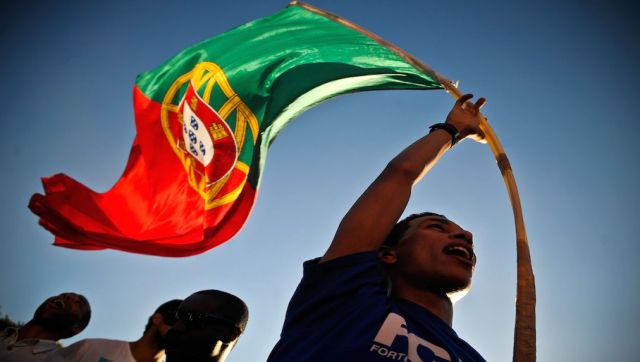 , Portugal has one of the lowest drug-related death-rates in Western Europe and drug use among young people is below the European average. AFP[/caption]The NetherlandsIn the Netherlands, it is against the law to possess, sell or produce drugs. However, the government tolerates the sale of soft drugs in so-called ‘coffee shops’.The term ‘coffee shop’ is an establishment where cannabis is sold subject to certain strict conditions, but no alcoholic drinks are sold or consumed. Cannabis has been available in coffee shops in the Netherlands since 1976.SwitzerlandIn the ’80s, Platzspitz Park in Zurich was best known by the nickname “Needle Park.” This is because it was hijacked by thousands of heroin users and dealers. The space became one of the most famous examples of Switzerland’s “open drug” scenes. And ‘Needle Park’ was just a small part of a bigger problem in Switzerland — the country witnessed a high rise in HIV infections and drug overdose deaths.Then, in 1994, it took a groundbreaking step by prescribing pharmaceutical-grade heroin to long-term users. The country allows addicts to visit a specialised centre to receive a daily dose of the drug. The injections take place on site, under the supervision of a medical team.With this step, Switzerland saw fewer overdose deaths, as well as falling rates of HIV and Hepatitis C infections. The country also saw a drop in crimes. Experts say that the methadone and heroin substitution programs have helped people dependent on heroin live an almost normal life. “Without this program, I would have died a long time ago,” Evelyn, who has been receiving prescription heroin for 20 years, was quoted as telling SwissInfo.Jean-Félix Savary, secretary general of the Romand Group of Addiction Studies (GREA) in Geneva, said, “The outcome is: you don’t have people on the street (using drugs), you don’t have people dying from overdoses in the street or in private places… And there is a very good relationship between the people (using drugs) and the health sector.”[caption id="attachment_12088972" align="alignnone" width="640"]
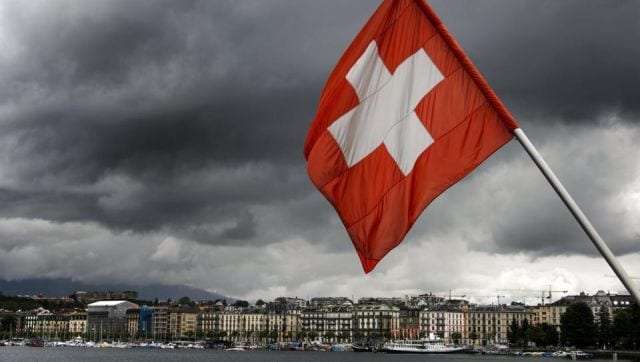 Switzerland took a groundbreaking step toward safe supply in 1994 by prescribing pharmaceutical-grade heroin to long-term users. AFP[/caption]Czech RepublicIn the eastern European nation, drug use is not an offence, and possession of small quantities for personal use is a non-criminal offence. In fact, legally, people in Czech Republic are allowed to have up to five marijuana plants and small amounts of cocaine. These policies have seen a reduction in the country’s drug use and overdoses.UruguayIn 2013, the South American nation of Uruguay became the first world country to legalise manufacture, sale and use of marijuana. As per the law, Uruguayan citizens older than 18 years old are allowed to buy up to 40 grams of marijuana a month in drugstores and grow up to six plants themselves. Those who go over the allowed amount are committing a criminal offense punishable by 20 months to 10 years of jail time.The government says that by legalising marijuana they are cutting the budget for housing criminals. Moreover, the move prevents people from using heavier drugs, which is only more harmful in the long run.[caption id="attachment_12089002" align="alignnone" width="640"]
 A drug syringe found behind a vacant property in northeast Albuquerque, New Mexico, is placed into a container, as crews attempt to clear the lot of needles and other heroin paraphernalia. Police in Oregon can no longer arrest someone for possession of small amounts of heroin, methamphetamine and other hard drugs. AP[/caption]Oregon, USIf Canada wants to see if decriminalisation of drugs is effective, it needs to look only about 600 kilometres south of the border to Oregon in the United States. In 2020, the American state became the first to decriminalise drugs, as it battled a pandemic of rising opioid-related deaths.Oregonians overwhelmingly passed Measure 110 that makes possession of small amounts of cocaine, heroin, LSD and methamphetamine, among other drugs, punishable by a civil citation — akin to a parking ticket — and a $100 fine. That fee can get waived if you get a health screening from a recovery hotline.However, the measure has had a ‘rocky start’ and critics argue that simply decriminalising drugs isn’t the way forward.With inputs from agenciesRead all the Latest News, Trending News, Cricket News, Bollywood News,India News and Entertainment News here. Follow us on Facebook, Twitter and Instagram.
Roshneesh is on the Explainers team and loves her job. Apart from the everyday 'explaining', she enjoys tennis and is a Rafa fan for life. She is also a Potterhead.
First Published:Feb 02, 2023, 10:49:24 IST
Advertisement
Advertisement

How a 27-year-old woman broke the internet during Mumbai's CJP protests
Rhiya Ahir blocked a police van by standing in front of it during the CJP protests, gaining instant fame for her defiant stance. The 27-year-old is model, actor and digital content creator, and comes from a defence family
3 min read
The Great Covid Fraud: How Indian-origin couple in UK funded lavish lifestyle through fake PPE orders
Indian-origin couple Jogesh Bhandari and his wife Meenakashi Bhandari have bee convicted of carrying out a personal protective equipment (PPE) scam alongside associate Craig Morris in the United Kingdom. The investigation found bank records showing Bhandari and his wife used the money to purchase Rolex watches, jewellery, holiday packages and luxury cars
3 min read
Fake jobs, tourist visas: Inside Russia’s vast network luring foreigners to fight Ukraine war
Russia is accused of using fake job offers, tourist visas and lucrative military contracts to recruit thousands of foreign nationals for the Ukraine war. Investigations reveal how poverty, deception and coercion have drawn people from Asia, Africa and Latin America into one of the world's deadliest conflicts
8 min read
Why has Bangladesh’s choice of India spokespersons raised eyebrows?
Bangladesh’s appointment of journalists Md Saidur Rahman and Umme Marufa to media roles in New Delhi and Kolkata has triggered controversy over their past anti-India social media posts, many of which were later deleted, prompting diplomatic scrutiny as India and Bangladesh seek to improve bilateral ties
6 min read
Who is Sandeep Lamba, the Delhi cop removed from protest site duty after slapping female protester?
Sandeep Lamba, an Additional Deputy Commissioner of Police (DCP) (North East District), was seen slapping a female CJP protester in a video on July 20. Lamba has now been removed from the protest site and sent back to his original station. In 2021, Lamba was awarded the Union Home Minister’s medal for excellent investigation
4 min read
Advertisement
Advertisement